
Snacks
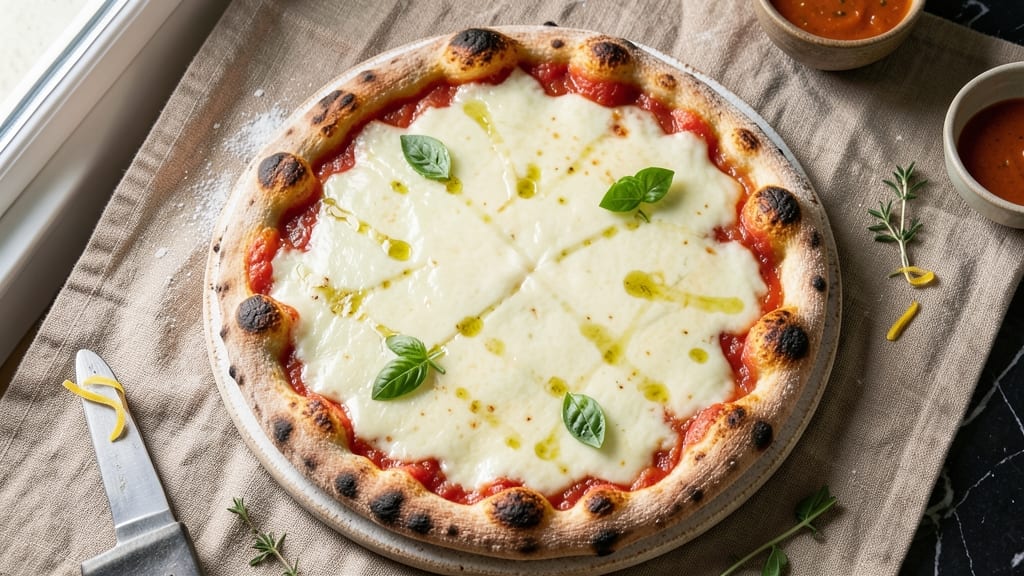
This basic cheese pizza recipe delivers the perfect balance of crispy crust and melty, stretchy cheese—exactly what you crave when pizza cravings strike. 🌟 The secret lies in a simple dough that transforms into a golden, airy base, topped with just the right amount of tangy tomato sauce and gooey mozzarella that browns beautifully in the oven.
What makes this recipe special is its foolproof approach: no fancy techniques, just quality ingredients and a method that works every time. The dough comes together in minutes with just flour, yeast, water, and oil, while the sauce requires only canned tomatoes, garlic, and a pinch of salt.
Even beginners will achieve a restaurant-worthy pizza with this straightforward process.
By the time it emerges from the oven, you'll have a pizza with a crispy yet tender crust, perfectly browned cheese bubbles, and a sauce that's flavorful without overpowering. The aroma alone will have everyone gathering around the table, and each bite delivers that classic pizza satisfaction you've been missing.
Customize it with your favorite toppings or keep it simple—this recipe scales perfectly for one or a crowd. Let's get started on your first perfect homemade pizza!
Ingredients for basic cheese pizza
Simple dough, tangy sauce, and melty cheese—this pizza needs just 13 ingredients.
| Ingredient | Amount | Notes |
|---|---|---|
| All-Purpose Flour 🌾 | 3 ½ cups | Spooned and leveled for accuracy |
| Active Dry Yeast 🍞 | ¼ tsp | Or 1 packet instant yeast |
| Granulated Sugar 🍚 | ¼ tsp | Feeds the yeast |
| Warm Water 💧 | 1 cup | 110°F (43°C) ideal |
| Olive Oil 🫒 | ½ tbsp | Extra-virgin for flavor |
| Salt 🧂 | 1 tsp | Kosher or sea salt |
| Canned Crushed Tomatoes 🍅 | 14 oz | San Marzano preferred |
| Garlic Cloves 🧄 | 2 cloves | Minced for sauce |
| Dried Basil 🌿 | 1 tsp | Or 1 tbsp fresh |
| Mozzarella Cheese 🧀 | 16 oz | Fresh mozzarella, sliced |
| Parmesan Cheese 🧀 | ½ cup | Freshly grated |
| Cornmeal 🌽 | ¼ cup | For dusting pizza peel |
| Semolina Flour 🌾 | 2 tbsp | Optional for dusting |
The flour is your foundation—King Arthur or Gold Medal work best for a crispy-yet-chewy crust. Yeast matters too: if it's old or past its expiration, your dough won't rise. Trader Joe's sells yeast in tiny jars that last forever, so grab a backup. For the tomatoes, San Marzano cans are worth the splurge—they're sweeter and less acidic. The mozzarella? Fresh is ideal (that milky, soft kind), but low-moisture from a block works too. Just shred it yourself—pre-shredded gets rubbery.
No San Marzano tomatoes? Any good-quality canned tomatoes work—just add a pinch of sugar to balance acidity. Fresh basil? Dried works at one-third the amount. Running low on mozzarella? Provolone or fontina add great flavor. The Parmesan can be pre-grated (though freshly grated tastes better), and if you don't have semolina, cornmeal is a perfect swap. Garlic powder in a pinch? Half the amount of minced garlic gets you close.
Dough keeps 3 days in the fridge or 3 months frozen—portion it into balls for easy use. The sauce freezes beautifully too, so double the batch. Cheese? Store mozzarella in its juice, wrapped tightly, for 5 days. Parmesan lasts weeks in the fridge. For that perfect crispy crust, preheat your oven to 500°F—it's worth the extra minute.
Why You'll Love This Recipe
- No-Yeast Struggles: I’ve made doughs that took forever—this one just needs five minutes of hands-on time. Mix the flour, yeast, sugar, and warm water until it comes together, then let it rest while you preheat the oven. That’s it. No kneading, no waiting hours, just straightforward pizza magic.
- Cheese Pulls the Strings: The moment that melted mozzarella stretches across the crust? Pure satisfaction. I swear, the simple combo of olive oil, flour, and yeast creates the perfect chewy base—no fancy toppings needed. It’s like a warm hug for your taste buds, every single time.
- Lunchbox Hero: Between us, this is my go-to for packing leftovers. Slice it up the next day, and it’s still crispy enough to eat cold—or reheat in a flash. My kids beg for it in their lunches, and honestly? So do I.
- Pantry Staple Power: You already have everything. Flour, yeast, sugar, water—no specialty ingredients, no last-minute grocery runs. I’ve made this on a whim when I forgot to order takeout, and it never let me down. Budget-friendly? Absolutely. Reliable? Even more.
Step-by-step instructions for crispy crust, stretchy dough pizza
Here's how to make perfect pizza dough that's crispy on the edges and stretchy when you pull it.
👨🍳 Step 1: Activate the Yeast for Fluffy Dough
In a small bowl, whisk together the 1 cup warm water, 0.25 tsp granulated sugar, and 0.25 tsp active dry yeast. Let it sit for 5-10 minutes until it becomes frothy—you should see bubbles forming on top. This tells you the yeast is alive and ready to work its magic.
I always test the water temperature first (it should feel warm but not hot to the touch). If it's too hot, you'll kill the yeast; if too cold, it won't activate properly. The frothy mixture means your dough will rise properly for that perfect airy texture.
🍳 Step 2: Mix the Dough Ingredients
In a large mixing bowl, combine the 3.5 cups all-purpose flour and 1 tsp salt. Make a well in the center and pour in the yeast mixture along with the 0.5 tbsp olive oil. Using a wooden spoon or dough whisk, stir until the dough starts coming together.
Here's the thing—don't overmix. Once the dough forms a shaggy mass, use your hands to knead it on the counter for about 5 minutes until smooth and elastic. You'll know it's ready when it springs back slowly when poked. This kneading develops gluten, which gives your pizza that perfect chewy texture.
⏰ Step 3: Let the Dough Rise Twice
Place the dough ball in a lightly oiled bowl, cover it with a damp towel, and let it rise in a warm place for 1-2 hours or until it doubles in size. I usually put it near the oven with the light on for gentle warmth. The dough should puff up noticeably and feel light when pressed.
After the first rise, punch down the dough to release any air bubbles. Shape it into a ball again, cover, and let it rise for another 30-60 minutes. This second rise ensures maximum flavor and texture. Don't skip this—it's what makes the difference between good pizza and great pizza.
🍳 Step 4: Prepare the Sauce and Cheese
While the dough finishes rising, preheat your oven to 475°F with a pizza stone or baking sheet inside. In a small saucepan, combine the 14 oz canned crushed tomatoes, 2 cloves minced garlic, 1 tsp dried basil, and 1 tsp salt. Simmer for 5-10 minutes until thickened.
Shred the 16 oz mozzarella cheese and grate the 0.5 cup parmesan cheese—this gives you that perfect melty, stretchy cheese we all love. Keep the sauce warm until you're ready to assemble. The sauce should coat the back of a spoon when done, not be watery.
🥘 Step 5: Assemble and Bake for Crispy Perfection
Roll out the risen dough on a floured surface to about 12 inches in diameter. Transfer it to a floured pizza peel or parchment paper. Spread the sauce evenly, leaving a ½-inch border for the crust. Sprinkle the cheeses evenly over the sauce.
Slide the pizza onto the preheated stone or sheet and bake for 12-15 minutes until the crust is golden brown and the cheese is bubbly. For extra crispiness, I like to broil for 1-2 minutes at the end. Watch it closely—you want that crust to be crispy but not burnt.
🍽️ Step 6: Finish with Cornmeal and Semolina
While the pizza bakes, mix the 0.25 cup cornmeal and 2 tbsp semolina flour together. After removing the pizza from the oven, immediately sprinkle this mixture over the crust. It adds that perfect crunch and helps prevent sogginess.
Let the pizza cool for 2-3 minutes before slicing. The crust should be crispy on the edges but still soft enough to fold, and the cheese should be melted and stretchy. Serve immediately with extra sauce on the side if you're feeling fancy!
Pro Tips For Making Basic Cheese Pizza
- Dissolve Yeast First: I learned this the hard way—mixing yeast directly into flour kills it faster than a cold oven. Instead, whisk the yeast into the warm water (110°F) with sugar first, then let it foam for 5 minutes before adding flour. No bubbles? Toss it and start over.
- Use Olive Oil Sparingly: The dough only needs about 2 tablespoons of olive oil—enough to coat the bottom of the mixing bowl. Any more, and your crust turns greasy instead of crispy. (Yes, even if you're impatient like me.)
- Prevent Overproofed Dough: After the dough doubles, resist the urge to punch it down immediately. Let it sit another 10 minutes at room temp before shaping—this relaxes the gluten and makes rolling out a breeze. Overproofed dough? It’ll tear like wet paper.
- Preheat Pan, Not Just Oven: Cast iron or pizza stone? Great. But skip the oven rack and place the pan directly on the lower rack. This gets the bottom of your pizza piping hot in minutes—no soggy crust here. (Your future self will thank you.)
Health benefits of this basic cheese pizza
Protein Powerhouse
This classic pizza delivers a satisfying 15-20 grams of protein per slice thanks to the mozzarella and Parmesan combination. The cheese provides all nine essential amino acids your body needs for muscle repair and satiety.
I've found that adding a sprinkle of Parmesan after baking boosts protein by an extra 3 grams per slice without changing the texture. 💪
Carbs with Purpose
The all-purpose flour crust gives you complex carbohydrates for sustained energy, with about 25 grams per slice. The slow-rise technique enhances digestibility by breaking down gluten more gently.
For a lighter option, I sometimes swap half the flour with whole wheat flour, which adds fiber and vitamins B and E.
Vitamin Boost
Tomato sauce provides vitamin C (about 20% daily value per serving) and lycopene, an antioxidant that supports heart health. The garlic in the sauce adds allicin, which has anti-inflammatory benefits.
Fresh basil (if used) contributes vitamin K and calcium. I always add a pinch of red pepper flakes too—it adds vitamin A and capsaicin for metabolism support. ✨
Calcium & Bone Health
The cheese topping is an excellent source of calcium (about 30% daily value per slice) and phosphorus, essential for strong bones and teeth. Mozzarella also contains conjugated linoleic acid (CLA), a fatty acid linked to reduced inflammation.
For extra calcium, I sometimes add a sprinkle of nutritional yeast to the sauce—it adds a cheesy flavor without dairy.
Fiber & Digestion
While traditional pizza isn't high in fiber, you can easily boost it by adding 1-2 tbsp cornmeal to the dough or topping with sautéed mushrooms. I've found that even small additions like spinach or bell peppers can add 2-3 grams of fiber per slice while keeping the dish balanced.
The cornmeal topping also adds a subtle crunch that enhances texture without heavy calories.
Balanced Meal Foundation
This pizza serves as a complete meal foundation when paired with a side salad (for extra fiber and vitamins) or steamed vegetables. The combination of protein, carbs, and healthy fats creates a satisfying meal that keeps energy levels stable.
I often serve it with a simple arugula salad dressed with lemon to balance the richness. The key is portion control—one slice makes a great light meal, while two slices with a side creates a hearty dinner. 🌟
Nutrition facts
Frequently asked questions
Can I make this pizza dough without yeast?
Yes! For a quick version, use 1 cup self-rising flour instead of all-purpose flour and skip the yeast entirely. Mix with 1 cup warm water and 1 tbsp olive oil, then let it rest for 10 minutes before shaping. The crust will be denser but still delicious. For a crispier result, bake at 500°F for 10-12 minutes.
How do I prevent a soggy crust?
Prevent sogginess by pre-baking your pizza crust for 3-4 minutes before adding toppings. Use a thin layer of sauce (¼ cup max) and bake on a preheated pizza stone or baking sheet. After baking, immediately sprinkle with cornmeal or semolina to absorb moisture and add crunch.
Can I use frozen dough for this recipe?
Thaw the frozen dough in the fridge overnight or at room temperature for 1-2 hours. Let it rise again for 30-60 minutes before shaping. Frozen dough works best when given this extra rise time. For extra crispiness, brush the crust with olive oil before baking.
What's the best way to reheat leftover pizza?
For crispy results, reheat in a 400°F oven for 5-7 minutes on a baking sheet. For a quick fix, use the air fryer at 350°F for 3-4 minutes. Avoid microwaving—it makes the crust soggy. To revive the cheese, place the slice under the broiler for 1-2 minutes after reheating.
Why did my cheese not melt properly?
Cheese often fails to melt when it's too cold or the pizza isn't baked long enough. Use room-temperature cheese and bake until the crust is golden brown (about 12-15 minutes). For extra meltiness, sprinkle cheese right before baking. Low-moisture mozzarella works better than fresh for this effect.