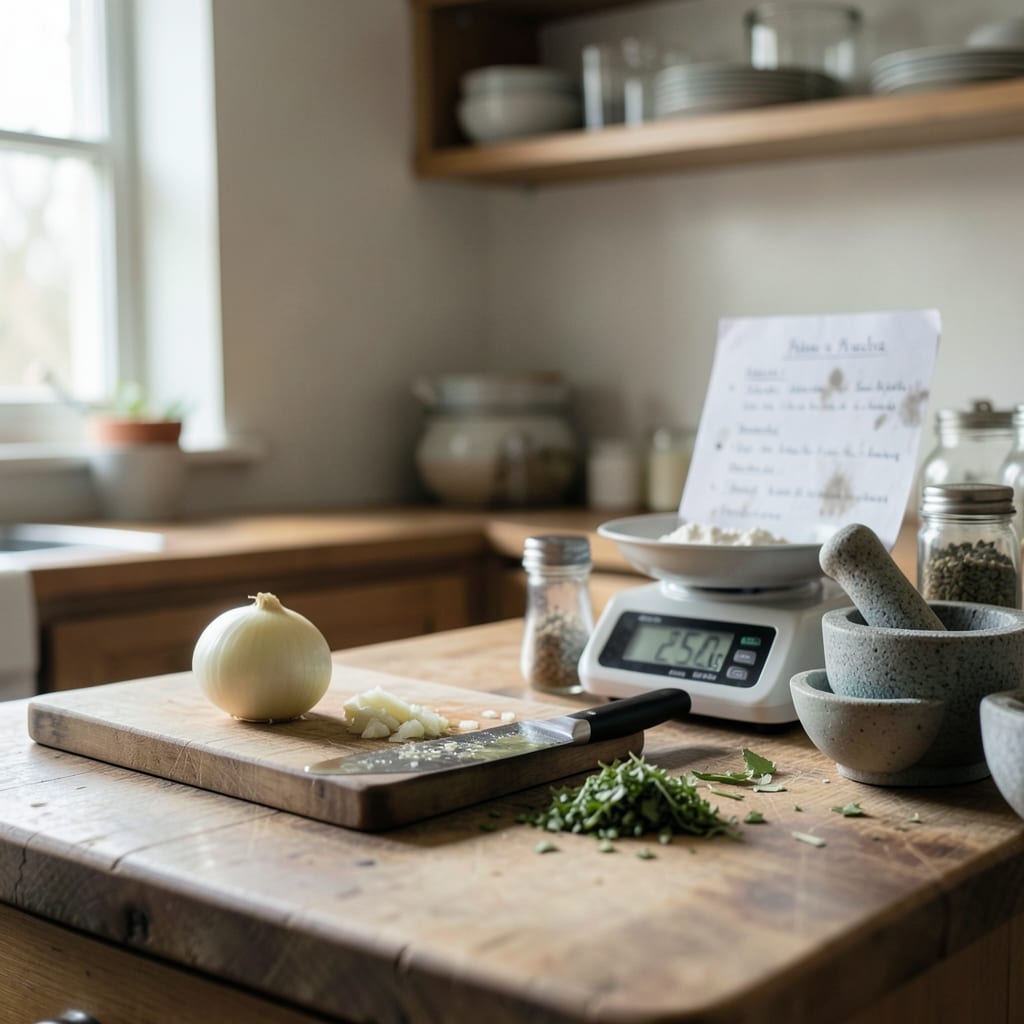
Why I started Cheese Recipes Sharp
I was twenty-three and had just burned a batch of homemade ricotta so badly the smoke alarm went off *twice*.
My mom walked in, took one look at the blackened pot, and said, *‘Well, at least you didn’t set the house on fire this time.’* That was the moment I realized someone needed to document the *actual* steps—before the pan caught fire, before the cheese curdled into something unrecognizable, before the smoke alarm became a family joke.
This site is for the people who’ve stood in the kitchen wondering why their dish doesn’t taste like the one in the photo, or why the recipe’s instructions sound like they were written by someone who’s never actually cooked.
Here, you’ll find recipes that work the first time—or at least the second. No smoke alarms required.
Meet the founder

My mom’s kitchen was the original lab. She’d pull out a recipe, read it once, and immediately start improvising—‘*This* much cream, *that* much heat, and if it curdles, just stir faster.’ Most of the time, it worked. Sometimes, it didn’t.
But the rule was always the same: if you burned dinner, you got to help clean up the mess. That’s where I learned two things: recipes are just starting points, and cheese can hide a lot of sins—until it can’t.
The only tool I still use from her kitchen is a wooden spoon with a chip in the handle. It’s been through every failed risotto, every overcooked sauce, and at least three incidents where I forgot to turn off the stove.
I keep it because it’s survived longer than most of my own dishes. Plus, the chip makes it easier to stir things that refuse to behave.
The failure that changed everything was a batch of gnocchi that turned out denser than a brick. I’d followed the recipe exactly—*almost*.
Turns out, ‘lightly flour the dough’ means *lightly*, not ‘dump in a bag of flour and pray.’ After that, I started weighing everything, testing every step, and writing down *why* things went wrong. Now, if a recipe doesn’t work the first time, I don’t call it a failure.
I call it *data*.
I have a habit of tasting everything raw. Not just the cheese—*everything*. Flour, spices, even the water sometimes. My mom used to say I had a ‘cheese detector’ on my tongue, and I guess she was right.
It’s annoying when I’m cooking for guests, but it’s the only way I know if something’s off before it’s too late. (Spoiler: it’s usually too late.)
Meet the mascot
The first scribble for what would become the mascot happened on a napkin at a café in Milan, where I’d just accidentally ordered the spiciest pecorino in the place.
The napkin was already stained with cheese, and my sketch was worse: a blob with too many legs and a grumpy face. I drew it because I was laughing too hard to write notes, and because the cheese had *definitely* won that round.
Back at my desk, I redrew it properly—this time with a proper wedge of cheese as the body, a fork for a neck, and a face that looked equal parts smug and exhausted.
The fork was a nod to the fact that most of my best recipes involve at least one tool I wasn’t supposed to use it for. The cheese wedge? That’s just honesty: if you’re making bold flavors, you’d better be ready for the consequences.
For the final version, I had to simplify everything except the fork—otherwise, it wouldn’t fit on a browser tab without looking like a Rorschach test. The wedge became a single, sharp slice (because *of course* it’s sharp), and the legs got shorter.
Now it just looks like a cheese block with a bad attitude, which is exactly what I feel like most days when I’m debugging a recipe.
What I promise you
Every recipe here has been made at least three times—once to see if it’s possible, once to see if it’s good, and once to see if I can explain it without sounding like a maniac. What you can hold me to:
What you can hold me to
- No ‘taste as you go’—every step has a clear endpoint, whether it’s a temperature, a texture, or a color.
- If a recipe fails, I’ll tell you why *and* how to fix it before you even start.
- Bold flavors mean *bold* flavors—not ‘mild with a hint of cheese’ nonsense.
- The ingredients list is what you’ll actually need, not a wishlist for a gourmet store.
How I create a recipe
A recipe starts with a question: *‘What’s the one thing that always goes wrong in this dish?’* For me, it’s usually cheese—how it melts, how it browns, how it *refuses* to behave. I don’t begin with a perfect method.
I begin with the moment it breaks, then work backward to prevent it.
The first test: hands-on
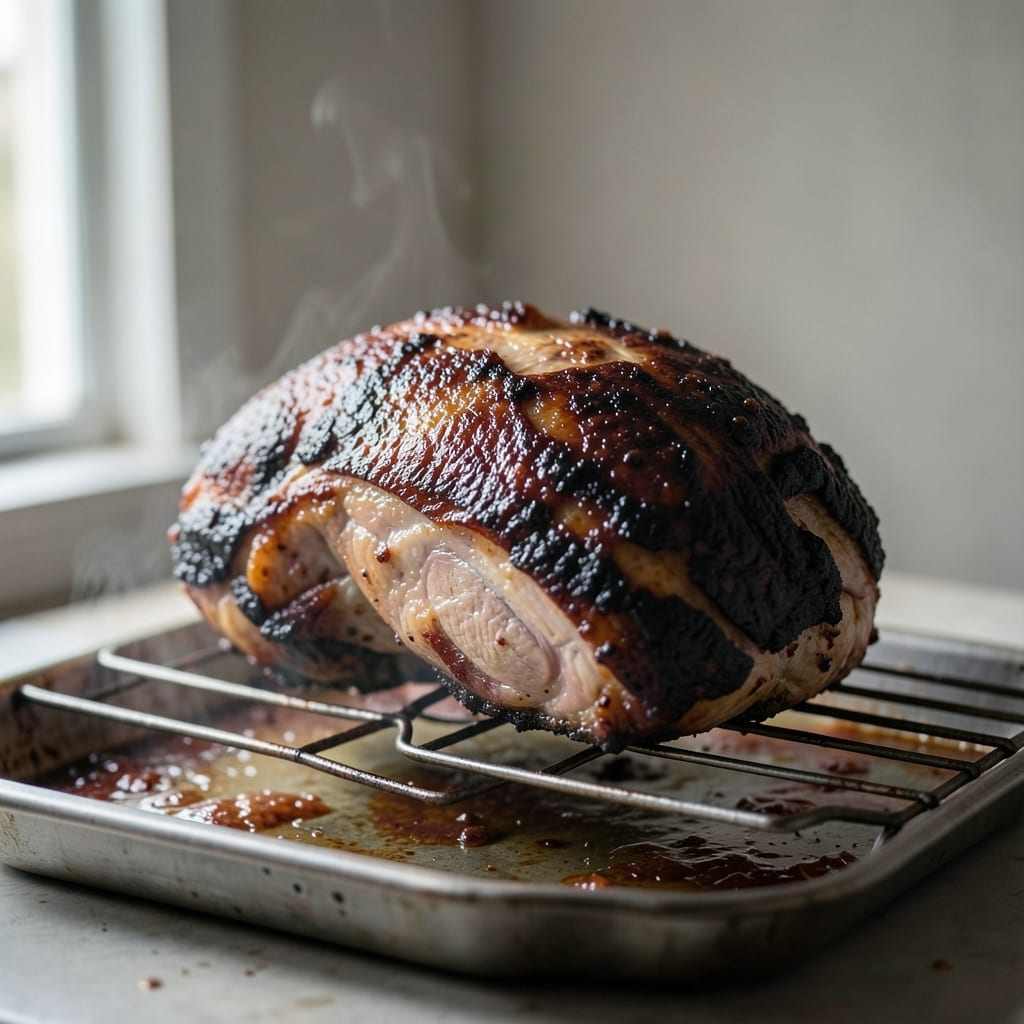
The first stage is always with my hands in the pot.
I measure, I mix, I watch for the *exact* moment things shift—when the sauce thickens just enough to coat the back of a spoon, when the cheese starts to pull away from the sides of the pan, when the heat turns from a whisper to a shout.
If I’m making something delicate, like a cheese sauce, I’ll take it off the heat *before* it’s fully done and let it rest. If it’s something bold, like a grilled cheese sandwich, I’ll listen for the sizzle to slow down—*that’s* when it’s ready, not when the timer goes off.
The only rule here is to *never* assume. A recipe might say ‘cook until golden,’ but golden can mean 325°F for 10 minutes or 375°F for 5. I test both. I note the difference. And if something burns? That’s not a failure—that’s a data point.
I just write down what went wrong and why, then try again.
The fix: patience and adjustments
If the first test fails, I don’t scrap it. I adjust. Too much liquid? Reduce it next time. Cheese too watery? Age it longer. Heat too high? Lower the temp by 25°F and start over.
The key is to isolate *one* variable at a time—never change the heat, the time, *and* the cheese in the same attempt. I’ll make the same dish five times if I have to, tweaking just one thing each time until it works.
The final version isn’t just about getting it right. It’s about knowing *why* it’s right. That’s why I write down every temperature, every time, every ‘almost burned’ moment. Because if you don’t know what went wrong the first time, you’ll never spot it the second.
How a page gets onto this site
While the dish is still warm, I scribble notes on whatever’s closest—a napkin, a scrap of paper, the back of a recipe card. I’ll jot down *exactly* what I did, what I saw, and what I’d do differently next time. Then I let it sit for a day.
The second read is where I cut the fluff: no ‘this dish tastes like summer’ nonsense. If it doesn’t serve a purpose—whether it’s a temperature, a technique, or a warning—it goes.
Some pages get rewritten months later because I realize I missed a step, or because a reader points out a better way. That’s how you know a recipe is done: when even *I* can follow it without second-guessing. And if I can’t?
That’s when I know it’s time to start over.
Write to me
I love hearing about your experiments—especially the ones that went sideways. Did you burn a batch of cheese crisps? Did your risotto turn out gluey? Did you accidentally invent something delicious? Send me the details.
And if you’ve got a recipe that’s been in your family for generations but no one knows *why* it works, I’d love to hear that too.
You’ll find the contact page in the menu. No need to ask if I’ll reply—I always do. Just don’t expect me to promise no smoke alarms this time.
The recipes are grouped by category: Appetizers, Beverages, Breakfast & Brunch, Desserts, Main Courses and Salads.