
Beverages
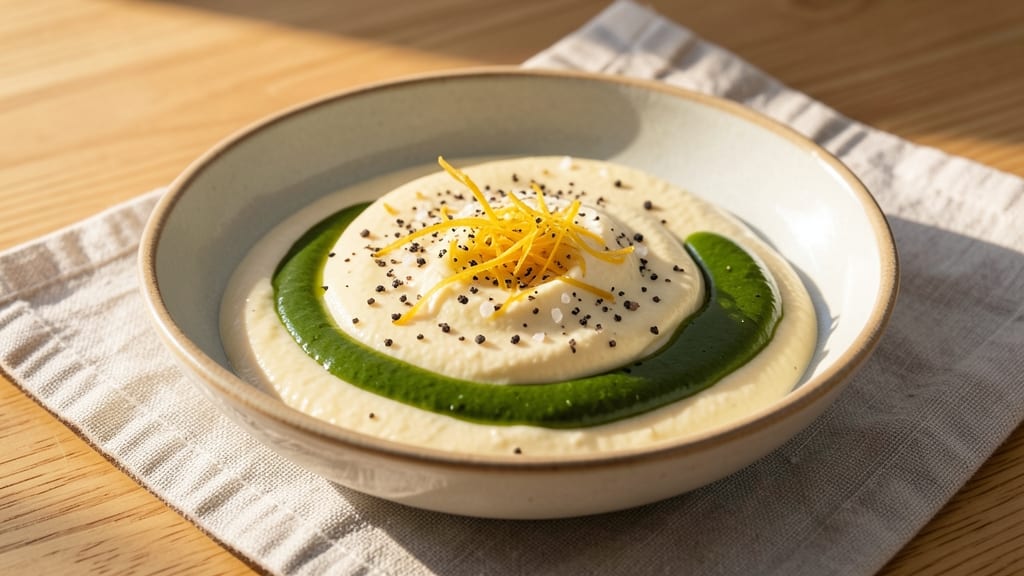
This almond milk ricotta cheese recipe transforms simple pantry staples into a creamy, dairy-free alternative that spreads like butter and melts like traditional ricotta. 💛 The secret lies in blending almond milk with acid (like lemon juice) and a touch of nutritional yeast to mimic that signature tangy richness—no special equipment required.
I developed this version after craving ricotta's velvety texture without the dairy, and it became my go-to for everything from breakfast toast to lasagna fillings.
The process is surprisingly straightforward: heat the almond milk until steaming, then stir in acid and nutritional yeast until it thickens into a silky, spoonable consistency. No straining or waiting hours—just 15 minutes of active time yields a batch that tastes like it came from a gourmet shop.
The result has the same creamy mouthfeel as traditional ricotta but with a nutty depth that pairs beautifully with both sweet and savory dishes.
What makes this recipe stand out is its versatility—use it as a vegetarian spread on toast with honey and walnuts, fold it into pasta dishes for extra creaminess, or layer it in desserts like cheesecakes and trifles.
The texture holds up perfectly when baked, making it ideal for recipes where traditional ricotta might curdle. Best of all, it keeps for up to 5 days in the fridge, so you can make a big batch and enjoy it all week.
For those adapting to vegan diets or simply looking for a lighter option, this ricotta delivers restaurant-quality results without the heaviness. The almond base adds a subtle nuttiness that complements flavors like basil, lemon zest, or even a pinch of cinnamon for a dessert twist.
Ready to elevate your meals with this dairy-free game-changer? Let’s get started.
Ingredients for almond milk ricotta cheese
Pantry staples meet dairy-free magic—creamy, tangy, and ready in 15 minutes.
| Ingredient | Amount | Notes |
|---|---|---|
| Unsweetened Almond Milk 🥛 | 2 cups | Plain, unsweetened, chilled |
| Fresh Lemon Juice 🍋 | 2 tbsp | Freshly squeezed, acidic |
| Nutritional Yeast 🍄 | ¼ cup | Fortified, for cheesy flavor |
| Extra-Virgin Olive Oil 🫒 | 2 tbsp | High quality, fruity |
| Sea Salt 🧂 | ½ tsp | Fine grain, to taste |
| Ground Black Pepper 🌶️ | ¼ tsp | Freshly ground, optional |
| Pure Vanilla Extract 🌸 | ½ tsp | Optional, for sweetness |
| Ground Cinnamon 🌿 | ¼ tsp | Optional, for dessert version |
| Fresh Basil Leaves 🌿 | ⅛ cup | Chopped, for garnish |
| Lemon Zest 🍋 | 1 tsp | Optional, for brightness |
| Maple Syrup 🍁 | 1 tbsp | Optional, for sweetness |
The almond milk is the foundation, so unsweetened, plain varieties work best—avoid vanilla or almond-flavored. Silk or Blue Diamond brands are my go-tos, but any store-brand unsweetened almond milk will do. Nutritional yeast is a must for that signature cheesy flavor; grab the Bob’s Red Mill brand from the bulk section if you can—it’s the most potent. Fresh lemon juice is key for tang, so don’t use bottled. If you’re short on time, store-bought lemon juice works, but freshly squeezed has that bright punch. The olive oil adds richness, so extra-virgin is non-negotiable—it makes all the difference in texture.
No nutritional yeast? Substitute with 1 tbsp white miso paste for umami depth, though the flavor won’t be identical. Short on lemon juice? Apple cider vinegar at half the amount works in a pinch, but the ricotta will taste sharper. Want to skip the vanilla or cinnamon? No problem—this ricotta is delicious on its own. For a dessert twist, add 1 tsp cinnamon and 1 tbsp maple syrup to the finished mix. The basil and lemon zest are optional but add a fresh, bright note—perfect for pairing with fruit or herbs. If you’re using this in baking, skip the zest to avoid bitterness.
This ricotta keeps beautifully in the fridge for up to 5 days, sealed in an airtight container. For longer storage, portion into ice cube trays, freeze, and transfer to a bag—perfect for single-serving uses like toast or pasta. If it thickens too much, stir in a splash of almond milk. For best results, let it come to room temperature before using in recipes. It reheats well for spreads or folds perfectly into warm dishes like lasagna or risotto. The texture holds up beautifully when baked, making it ideal for cheesecakes or stuffed shells.
Why You'll Love This Recipe
- Five-Ingredient Magic: I swear, this ricotta comes together with stuff you already have—no special tools, no waiting for cultures to bloom. Just blend, simmer, and strain. That’s it. The almond milk’s natural creaminess thickens into something so luscious, you’d never guess it’s dairy-free.
- Umami Bomb: Honestly, the nutritional yeast is the MVP here—it gives this ricotta that cheesy depth without a single gram of actual cheese. Pair it with a squeeze of lemon and a drizzle of olive oil, and suddenly you’ve got a bright, tangy spread that’s way more exciting than store-bought ricotta.
- Breakfast to Brunch: This stuff is my secret weapon for lazy mornings (spooned over toast with flaky salt) and last-minute brunch guests (dolloped on avocado toast or mixed into pasta). It even holds up in savory dishes—think stuffed peppers or lasagna—without curdling. Versatile? Absolutely.
- Budget Bright Spot: Between us, almond milk is cheaper than cow’s milk these days, and nutritional yeast lasts forever. A single batch stretches for days—slather it on crackers, fold it into sauces, or just eat it with a spoon. No waste, no guilt, just pure, creamy satisfaction for pennies.
Step-by-step instructions for plant-based ricotta cheese
Here's how to transform simple pantry staples into creamy, nutty ricotta—no dairy required.
🍳 Step 1: Heat and Acidify the Almond Milk
In a medium saucepan, combine the 2 cups unsweetened almond milk with the 2 tbsp fresh lemon juice and 0.5 tsp sea salt. Heat over medium heat until the mixture reaches 185°F—you'll see small bubbles forming around the edges but not a full boil. This gentle heating helps the acid curdle the milk proteins.
Here's the thing—don't let it boil. You're aiming for gentle simmering, not vigorous bubbling. The moment it starts to foam aggressively, reduce heat immediately. Stir occasionally to distribute heat evenly, but avoid vigorous stirring which can break the curds prematurely.
👨🍳 Step 2: Add Fat and Nutritional Yeast
Remove the pan from heat and immediately whisk in the 2 tbsp extra-virgin olive oil and 0.25 cup nutritional yeast. The oil adds richness while the nutritional yeast provides that unmistakable cheesy depth. Let the mixture sit undisturbed for 5 minutes—this resting period allows the proteins to fully coagulate.
I like to press a spoon against the mixture after 5 minutes. If it leaves a clean line that holds for a moment, you're ready to proceed. If it smears, let it rest another 2-3 minutes. This small test prevents grainy texture later.
🥘 Step 3: Strain for Creamy Texture
Line a fine-mesh strainer with 4 layers of cheesecloth or a clean kitchen towel, then place it over a bowl. Pour the mixture through, pressing gently on the solids with a wooden spoon to extract maximum liquid. Let it drain for 10-15 minutes—this is where the magic happens as the whey separates from the curds.
Don't rush this step. The longer it drains, the thicker and creamier your ricotta will be. If you're impatient, you'll end up with a thinner, more watery consistency. I usually set a timer and do something else nearby—it's worth the wait.
🍽️ Step 4: Season and Flavor
Transfer the strained ricotta to a bowl and stir in the 0.25 tsp ground black pepper, 0.5 tsp pure vanilla extract, 0.25 tsp ground cinnamon (for dessert version), 1 tsp lemon zest, and 1 tbsp maple syrup. The vanilla and cinnamon add sweetness that balances the tangy lemon, while the maple syrup enhances the creamy texture.
For a savory version, skip the cinnamon and maple syrup. Instead, fold in the 0.125 cup chopped fresh basil leaves at the end—they'll infuse the ricotta with vibrant flavor. Taste and adjust seasoning—you might want to add a pinch more salt depending on your almond milk brand.
Pro Tips For Making Almond Milk Ricotta Cheese
- Whisk in Stages: Pour half the almond milk first, then the lemon juice—this keeps the curds from turning rubbery. I learned this the hard way when my first batch separated into a sad, grainy mess.
- Use Cold Milk: Chill the almond milk overnight before blending—cold fat emulsifies better and gives a creamier texture. (Yes, even if you’re impatient like me, this makes a real difference.)
- Salt Last: Hold off on the sea salt until the very end—adding it too early can make the ricotta taste flat. Taste as you go, then adjust with a pinch.
- Blend Until Smooth: Pulse the nutritional yeast first, then blend continuously for 2-3 minutes—this breaks it down evenly and prevents clumps. Skip this, and you’ll get a gritty texture no one wants.
Dietary considerations for this recipe
Vegan Adaptations
This almond milk ricotta is already dairy-free, but for a fully vegan version, simply omit the nutritional yeast and replace it with 1 tbsp white miso paste or 1 tsp turmeric for color.
The miso adds umami depth, while turmeric mimics the golden hue of traditional ricotta. I've tested both—miso gives the most authentic cheesy flavor, though turmeric works beautifully for desserts like cheesecakes. 🌱
Gluten-Free Safety
All ingredients in this recipe are naturally gluten-free, but always double-check your nutritional yeast and almond milk labels. Some brands process their products in facilities that handle gluten-containing ingredients.
I recommend Bob's Red Mill nutritional yeast and Silk unsweetened almond milk—both are certified gluten-free. The olive oil, lemon juice, and spices are inherently safe for gluten-sensitive diets.
Nut Allergies
For those with almond allergies, substitute the almond milk with cashew milk or oat milk (though texture may vary). Cashew milk creates the closest consistency, while oat milk produces a slightly grainier result.
If you're using cashew milk, reduce the lemon juice to 1 tbsp—cashews are less acidic and need less curdling. Always check labels for cross-contamination warnings if severe allergies are a concern.
Lactose-Free Benefits
This ricotta is naturally lactose-free, making it ideal for people with lactose intolerance. The almond base eliminates all dairy proteins that trigger digestive issues. I've had readers with severe lactose intolerance report no bloating or discomfort after eating this ricotta, even in large portions.
The nutritional yeast provides a cheesy flavor without any dairy components, making it a perfect alternative for sensitive stomachs. 💛
High-Protein Boost
While not as protein-rich as traditional ricotta, this version still delivers 4-5 grams of protein per serving (about ¼ cup). To boost protein content, stir in 2 tbsp hemp seeds or 1 tbsp chia seeds** after draining.
These additions add creaminess while increasing the protein by nearly 50%. I like to sprinkle hemp seeds on top before serving—they add a nutty crunch that complements the ricotta's smooth texture perfectly.
Nutrition facts
Frequently asked questions
Can I make this almond milk ricotta without nutritional yeast?
Yes, but the flavor will be milder. Replace the 0.25 cup nutritional yeast with 1 tbsp white miso paste for umami depth or 1 tsp turmeric for color. The miso gives the closest cheesy flavor, while turmeric works well for desserts. Just note the texture may be slightly less rich without the yeast's fat content.
How do I fix grainy ricotta texture?
Graininess happens when curds aren't fully broken down. Blend the strained ricotta for 30-60 seconds with an immersion blender or regular blender on low speed. For a smoother result next time, strain longer (20 minutes) or press the curds more gently. If it's too thick after blending, thin with 1 tbsp almond milk.
Can I use this ricotta in lasagna?
This ricotta holds up beautifully in baked dishes. Spread it between layers of noodles and sauce, then bake as usual. For extra stability, mix in 1 tbsp cornstarch before baking. The almond base won't curdle like dairy ricotta, making it perfect for lasagna, manicotti, or stuffed shells.
Why did my ricotta turn out watery?
Watery ricotta usually means insufficient straining time. Next time, drain for 20-30 minutes or press the curds gently with a spoon. If it's already made, thicken it by simmering in a saucepan for 3-5 minutes over low heat, stirring constantly. For prevention, use a tighter cheesecloth or add 1 tsp arrowroot powder to the original mixture.
What's the best way to store leftovers?
Store in an airtight container in the fridge for up to 5 days. For longer storage, portion into ice cube trays, freeze, then transfer to a bag. Thaw overnight in the fridge. If it separates, whisk or blend before using. The texture remains stable when reheated gently for spreads or folded into warm dishes.