
Appetizers
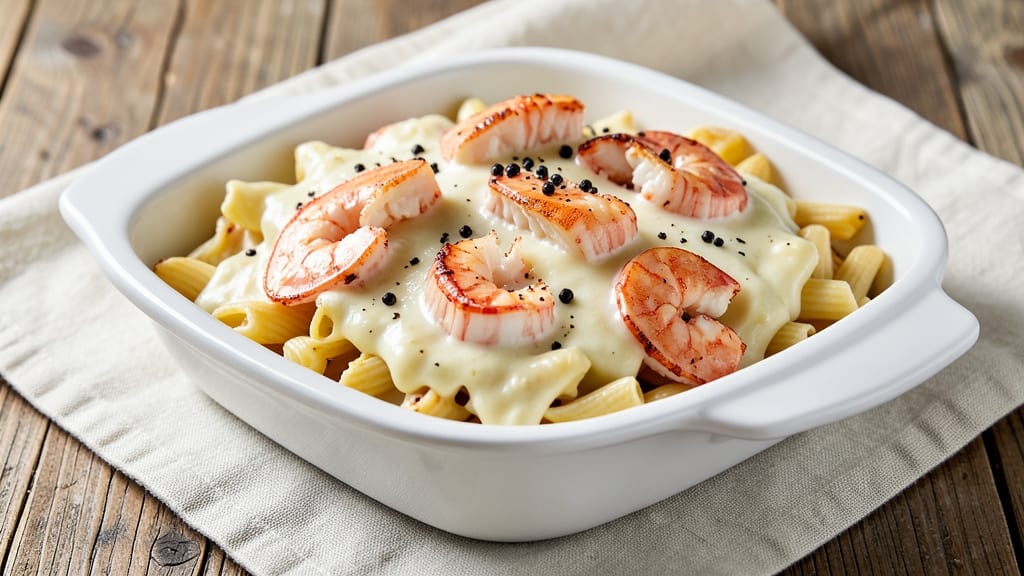
This Barefoot Contessa lobster mac and cheese transforms a classic comfort dish into an elegant, one-pan masterpiece that feels like a restaurant-worthy celebration. The secret lies in perfectly poached lobster meat—tender, buttery, and infused with just a touch of brandy—that melts into a velvety Gruyère-cheese sauce.
I developed this recipe after realizing how often lobster dinners left me with leftover shells and minimal flavorful use, so I repurposed every bit into this decadent dish.
The foundation is a rich, foolproof cheese sauce built with a classic roux and layered with sharp cheddar, nutty Gruyère, and a splash of lobster stock for depth. The pasta cooks directly in the sauce, absorbing all that luxurious flavor while maintaining its perfect al dente bite.
What sets this apart is the luxurious texture contrast—creamy cheese sauce, tender lobster chunks, and crispy breadcrumb topping—all coming together in a single pan for minimal cleanup.
By the time you serve this dish, you'll have a restaurant-quality mac and cheese that's rich, indulgent, and packed with ocean-fresh flavor. The lobster stock elevates the sauce beyond ordinary, while the brandy adds a subtle sophistication that makes this feel special enough for guests.
Each bite delivers that perfect balance of creamy, cheesy goodness with bursts of buttery lobster—proof that comfort food can be elevated without losing its soul.
This recipe is ideal for special occasions or when you want to impress without fuss. The one-pan method keeps prep simple, while the lobster stock and brandy add layers of flavor that transform this into something truly memorable. Let's get cooking—your taste buds (and dinner guests) will thank you.
Ingredients for barefoot contessa lobster mac and cheese
Six ingredients make this luxurious lobster mac and cheese feel like a restaurant masterpiece.
| Ingredient | Amount | Notes |
|---|---|---|
| Lobster Meat 🦞 | 1 ½ lb | Freshly poached, chopped into bite-sized pieces |
| Heavy Cream 🥛 | 1 ½ cups | Full-fat for richness |
| Whole Milk 🥛 | 1 cup | Warmed for smooth sauce |
| Unsalted Butter 🧈 | 8 tbsp | Cold, cubed for roux |
| All-Purpose Flour 🌾 | ½ cup | For roux base |
| Gruyère Cheese 🧀 | 2 cups | Freshly grated, nutty flavor |
| Sharp White Cheddar 🧀 | 1 ½ cups | Shredded, aged for tang |
| Lobster Stock 💧 | 2 cups | Homemade or high-quality store-bought |
| Brandy 🍷 | ¼ cup | For depth, optional but recommended |
| Cavatappi Pasta 🍝 | 1 ½ lbs | Or any corkscrew-shaped pasta |
| Panko Breadcrumbs 🍞 | ½ cup | For crispy topping |
| Garlic Cloves 🧄 | 4 cloves | Minced for topping |
| Fresh Parsley 🌿 | ¼ cup | Chopped, for garnish |
| Sea Salt 🧂 | 1 ½ tsp | Kosher preferred |
| Black Pepper 🌶️ | ½ tsp | Freshly ground |
The lobster is the star here. Freshly poached lobster meat (not canned) makes all the difference—it should be tender, buttery, and infused with just a touch of brandy. If you're buying whole lobsters, poach them yourself—the shells make incredible stock for the sauce. For convenience, Whole Foods or specialty seafood markets often sell pre-poached lobster meat, but it's pricier. The Gruyère and sharp cheddar? Freshly grated is non-negotiable—pre-shredded gets clumpy and lacks flavor. I always grab mine from the deli counter at Trader Joe's—it's worth the extra few bucks for that restaurant-quality texture.
No brandy? Dry sherry or white wine works too—just reduce it by half first. Short on lobster stock? Clam juice or extra chicken stock gets you close, but the seafood flavor is key. The panko topping is where magic happens—toast it in butter first for extra crispiness. Fresh parsley is ideal, but dried works at one-third the amount if you're in a pinch. For the pasta, cavatappi holds the cheese sauce best, but fusilli or penne are great swaps. The roux is critical—don't rush it. Cook the butter and flour until it's a rich, golden brown for that nutty depth.
This reheats beautifully—honestly tastes better the next day once everything melds. Keeps 4-5 days in the fridge, freezes for 3 months (though the texture changes slightly after freezing). I always make a double batch because it disappears fast. For leftovers, cover with extra cheese before reheating to keep it gooey. The topping stays crispy if you reheat it uncovered for the last 2 minutes.
Why You'll Love This Recipe
- No-Fuss Luxury: This feels fancy but takes less effort than boiling water for pasta. Just melt butter, whisk flour into a roux, stir in milk and cream—then fold in that lobster. No blender, no strainer, no stress.
- Creamy Without Cloying: The heavy cream and whole milk make it velvety, but the lobster keeps it light. Honestly, the first bite is like a hug from the sea—rich but not heavy, and that butter? It’s the secret to the perfect melt.
- Weeknight to Weekend: I’ve served this to date-night guests and my kids on a Tuesday. The lobster makes it feel special, but the simplicity means I’m not stuck in the kitchen for hours. (Yes, even on a Tuesday night.)
- Leftovers That Don’t Suck: Most mac and cheese gets rubbery the next day, but this? It reheats like a dream—just add a splash of milk to keep it silky. I’ve packed it for lunches, frozen portions for lazy nights, and still gotten compliments.
Step-by-step instructions for luxurious lobster mac and cheese
Here's how to create a decadent, one-pan masterpiece with tender lobster and velvety Gruyère.
Cook the Cavatappi to Al Dente Perfection
Bring a large pot of water to a rolling boil and add the 1.5 lbs cavatappi pasta. Stir immediately to prevent sticking. Cook until 1 minute before the package directions specify for al dente texture—this ensures it finishes cooking in the oven. Reserve 1 cup of pasta water before draining, as we'll use it later to adjust the sauce consistency.
I like to taste-test a piece at this stage—it should be firm with a slight bite. If it feels too soft, drain immediately. The pasta will continue cooking in the oven, so don't overcook it now. Transfer the drained pasta to a large mixing bowl and set aside.
Create the Ultimate Lobster Cream Sauce
In a separate large pot, melt 4 tbsp of the unsalted butter over medium heat. Add the 0.5 cup all-purpose flour and whisk vigorously for 2 minutes until the mixture forms a smooth, pale roux with no raw flour taste. This is your sauce foundation—don't rush this step or you'll end up with a grainy sauce.
Gradually whisk in the 1 cup whole milk and 1.5 cups heavy cream, ensuring no lumps form. Add the 2 cups lobster stock and 0.25 cup brandy, then bring to a gentle simmer. Cook for 5-7 minutes until the sauce thickens enough to coat the back of a spoon. Remove from heat and stir in the 1.5 lb chopped lobster meat and 1.5 tsp sea salt, letting it warm through.
Build the Cheese Layer and Assemble
In the same pot, reduce heat to low and add 1 cup of the Gruyère cheese and 1 cup of the sharp white cheddar, stirring constantly until completely melted and smooth. Pour this mixture over the cooked pasta in the mixing bowl, reserving about 1 cup of the sauce for later. Gently fold everything together until fully coated.
Transfer the pasta mixture to a 9x13-inch baking dish, spreading it evenly. Top with the remaining 1 cup Gruyère cheese and 0.5 cup sharp white cheddar, pressing down lightly to create a smooth, even layer. This creates that signature "cheese blanket" effect that makes this dish so impressive.
Add the Crispy Garlic Breadcrumb Topping
In a small bowl, combine the 0.5 cup panko breadcrumbs, 4 minced garlic cloves, 4 tbsp unsalted butter (melted), 0.5 tsp black pepper, and 1 tbsp fresh parsley. Sprinkle this mixture evenly over the cheese layer, pressing down gently with your fingers to help it adhere. The breadcrumbs will create a beautiful golden crust while adding texture contrast.
Here's the thing—I like to give the topping a light spray of cooking spray before baking. This helps the breadcrumbs crisp up perfectly without burning. You'll know it's ready when it turns a beautiful golden brown with crisp edges.
Bake to Golden, Bubbly Perfection
Preheat your oven to 375°F. Bake the mac and cheese for 20-25 minutes until the top is deep golden brown and the edges are bubbling. If the topping starts to brown too quickly, tent loosely with foil for the last 5-10 minutes to prevent burning while still allowing the cheese to melt completely.
For the final touch, broil on high for 1-2 minutes until the cheese is bubbly and the topping is beautifully crisp. Watch it closely—broilers can be unpredictable. Let the dish rest for 10 minutes before serving to allow the cheese to set slightly and make clean slices. The result should be a creamy, luxurious bite with tender lobster in every forkful.
Pro Tips For Making Barefoot Contessa Lobster Mac And Cheese
- Melt Butter Slowly: The Barefoot Contessa recipe calls for melting butter with flour to make the roux—don’t rush this. Heat the butter over medium-low until it’s fully melted but not browned (you’ll smell it, trust me). I used to crank the heat and ended up with a nutty, bitter taste that ruined the whole dish. Keep it steady, like you’re melting ice cream, not frying bacon.
- Shred Lobster Fresh: If you’re using frozen lobster tails, thaw them first, then pull the meat away from the shell in long, thin strips—not chunks. The recipe relies on that delicate texture melting into the cheese. I tried pre-shredded lobster once, and it turned mushy in the sauce. Do it by hand; it takes 10 minutes but makes all the difference.
- Don’t Boil the Pasta: Al dente pasta is non-negotiable here. The Barefoot Contessa version needs that slight bite to cut through the richness. Taste a piece at 1 minute before the package says it’s done—if it’s still firm, it’s ready. I learned this after serving pasta that was so soft it dissolved in the sauce. Save the overcooked noodles for soup.
- Whisk in Cream Gradually: When you’re adding the heavy cream and milk to the roux, pour it in slowly while whisking constantly. This keeps the sauce smooth and prevents lumps. I skipped this once and ended up with a grainy, sad-looking cheese sauce. It’s tedious, but the result is velvety—like a five-star restaurant, not a college dorm.
Common mistakes when making this dish
Overcooking the Pasta
I can't tell you how many times I've seen this happen—pasta that's mushy and sad by the time it hits the baking dish. The key is to cook the cavatappi just 1 minute before the package's al dente time, then finish cooking in the oven.
Trust me, the pasta will absorb the cheese sauce perfectly while baking. If it's overcooked now, it'll turn to mush in the oven. 🍝
Skipping the Roux
Some recipes call for quick cheese sauces, but this isn't one of them. The golden roux is what gives the sauce that rich, nutty depth that makes this dish special. Don't rush it—whisk those butter and flour together for at least 2 minutes until it's smooth and pale.
Skipping this step means a thinner, less flavorful sauce that won't hold up to the baking process.
Using Pre-Shredded Cheese
This is a non-negotiable for me. Pre-shredded cheese contains anti-caking agents that make the sauce grainy and watery. Freshly grated Gruyère and cheddar melt into a silky, luxurious texture.
If you're in a pinch, buy blocks from the deli counter at Trader Joe's or Whole Foods—it's worth the extra effort for that restaurant-quality melt.
Not Prepping the Lobster Properly
The lobster should be tender and buttery, not rubbery or overcooked. If you're using whole lobsters, poach them yourself in seasoned water with a splash of brandy for that extra depth.
Never use canned lobster—it's a game-changer. Also, chop the meat into even, bite-sized pieces so every forkful has that luxurious texture. Uneven pieces mean some bites will be dry or chewy.
Overmixing the Cheese Sauce
Once you add the cheese, stir just until it's fully melted. Overmixing creates a gluey, stretchy sauce instead of the creamy, velvety texture we want. I like to fold the cheese in gently with a spatula, ensuring it melts completely before combining with the pasta.
This keeps the sauce smooth and luxurious, not gummy. 🧀
Ignoring the Resting Time
This is where many people rush and end up with runny, messy mac and cheese. Let the dish rest for 10 minutes after baking—this allows the cheese to set slightly, making it easier to slice and serve.
Skipping this step means a gooey mess that slides off your plate. Trust the process, and you'll be rewarded with clean, perfect slices every time.
Nutrition facts
Frequently asked questions
Can I make this recipe without lobster?
You can absolutely adapt it! Replace the lobster with 1.5 lbs cooked shrimp or 1 lb cooked chicken (diced), but the seafood flavor is key. For a vegetarian version, use 1 cup roasted mushrooms or 1 lb crispy fried shallots for texture. The brandy and lobster stock can be swapped for white wine and chicken stock respectively.
How do I know when the roux is ready?
The roux is perfect when it's a smooth, pale golden color and smells nutty (about 2 minutes of whisking). It should coat the back of a spoon but still feel slightly thick. Overcooking turns it brown—this is for gravy, not our creamy sauce. If it gets too dark, start over with fresh butter and flour.
Why did my cheese sauce get grainy?
This usually happens from overmixing after adding cheese or using pre-shredded cheese. Always stir gently just until melted, and use freshly grated cheese. If it's too thick, add 1-2 tbsp pasta water to loosen. For extra silkiness, whisk in 1 tbsp cornstarch mixed with 1 tbsp cold water to bind any stray cheese particles.
Can I make this ahead of time?
Yes! Assemble the dish up to 24 hours ahead and refrigerate uncovered. The next day, bake at 375°F for 30-35 minutes (covered with foil for the first 20 minutes to prevent over-browning). For freezing, bake first, then cool completely, wrap tightly, and freeze for up to 3 months. Reheat covered at 350°F for 20-25 minutes.
What's the best pasta shape for this?
Cavatappi is ideal because its corkscrew shape holds the cheese sauce perfectly. Other great options: fusilli, penne, or farfalle. Avoid long pasta like spaghetti—it gets tangled in the sauce. For extra luxury, use lobster-shaped pasta if you can find it!