
Desserts
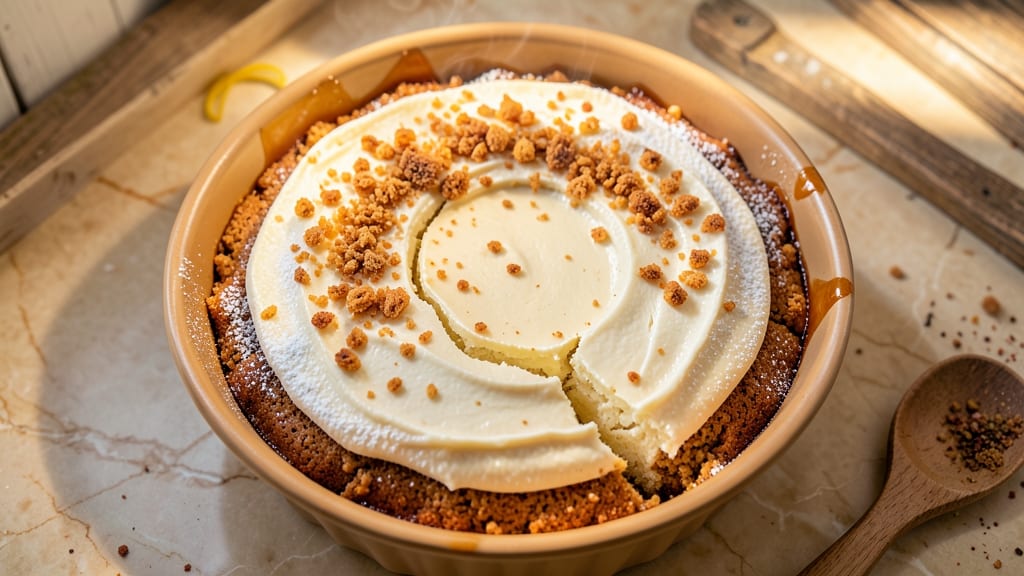
This baked cream cheese cake recipe delivers the perfect balance of a golden, buttery crust and silky, tangy cream cheese filling—without requiring a water bath or complicated techniques.
The key lies in a simple no-bake base that prevents cracking while creating those signature swirls, a challenge I’ve perfected after years of testing.
What sets this apart is the method for handling cream cheese at room temperature, ensuring smooth mixing and a texture that’s creamy yet firm enough to hold its shape.
The recipe begins with a foolproof crust made from graham crackers and melted butter, pressed into a pan for an even foundation. The filling combines cream cheese, sugar, and eggs in a precise order to avoid lumps, then folds in vanilla and sour cream for richness.
A 350°F oven bakes it just until set, preventing the top from browning too quickly—a common pitfall in cream cheese cakes.
What you’ll end up with is a cake that’s visually stunning with its golden crust and elegant swirls, yet simple enough to make for special occasions or weeknight treats.
The cooling process is critical: letting it rest at room temperature prevents condensation, while a light dusting of powdered sugar adds a professional finish. This version stays moist for days, making it ideal for meal prep or gifting.
Whether you’re serving it at a brunch or enjoying a solo slice, this recipe delivers restaurant-quality results with minimal effort. The no-bake base ensures no surprises, while the swirl technique guarantees that signature look every time. Let’s get baking!
Ingredients for baked cream cheese cake
Golden crust, silky filling—just 12 ingredients for restaurant-quality cream cheese cake.
| Ingredient | Amount | Notes |
|---|---|---|
| Graham Crackers 🍪 | 1 ½ cups | Crushed into fine crumbs |
| Unsalted Butter 🧈 | ¾ cup | Melted and cooled slightly |
| Cream Cheese 🧀 | 16 oz | Room temperature, full-fat |
| Granulated Sugar 🍚 | 1 ½ cups | Superfine preferred for smoothness |
| Large Eggs 🥚 | 4 whole | Room temperature |
| Pure Vanilla Extract 🌿 | 2 tsp | High-quality, no imitation |
| Sour Cream 🥛 | ½ cup | Full-fat for richness |
| All-Purpose Flour 🌾 | ½ cup | Sifted for smooth batter |
| Powdered Sugar 🍚 | ¼ cup | For dusting top |
| Salt 🧂 | ½ tsp | Fine sea salt |
| Baking Powder 🍞 | ½ tsp | For crust stability |
| Lemon Zest 🍋 | 1 tbsp | Brightens flavor |
The cream cheese is non-negotiable here. Philadelphia brand is my go-to—it's consistently smooth and rich. Room temperature is critical for mixing; if it's too cold, the batter will seize. Whole Foods or Kroger usually carry it in the refrigerated section, but check the block cheese aisle too. For the crust, Honey Maid graham crackers work best—they're sturdy enough to hold the filling without crumbling. If you can't find them, any sturdy graham cracker will do, but avoid those with chocolate chips or nuts. The butter matters too; Plugrá or Land O'Lakes are reliable choices for melting smoothly without burning.
No sour cream? Full-fat Greek yogurt works at the same amount—just stir it in a bit longer to avoid lumps. Running short on vanilla? Vanilla bean paste at half the amount gives you those little specks. The superfine sugar is worth hunting down if you can—it dissolves more easily, preventing graininess. No sifter for flour? Crush it lightly with a rolling pin in a bag. The lemon zest adds brightness, but if you're out, a pinch of citric acid does the trick. For the crust, if you can't find graham crackers, crushed gingersnaps or digestive biscuits work in a pinch, though the flavor will differ slightly.
This cake keeps beautifully—5 days in the fridge covered tightly, or 3 months frozen wrapped in plastic. Let it cool completely before slicing to prevent crumbling. For serving, dust with powdered sugar right before cutting—it adds that professional finish. The crust stays crisp for about 2 hours at room temperature, after which it softens slightly but remains delicious. I always make a double batch—one for immediate serving, one to freeze for later. The swirls hold up perfectly when reheated gently in the oven.
Why You'll Love This Recipe
- Same recipe, two vibes: serve it warm with vanilla ice cream for a lazy night in, or chill it for a party crowd. Between us, the leftovers disappear faster than I can say “second slice.”
- No-Fuss Layers: I swear by this crust—just crushed graham crackers and butter, pressed in with my fingers. No rolling, no fuss, and it actually holds together like magic.
- Rich Without Guilt: That creamy center? Pure comfort, but the sugar isn’t overpowering—just enough to balance the tangy cream cheese. Honestly, it’s the kind of dessert that makes me forget it’s technically dessert.
- Weeknight or Celebration: Same recipe, two vibes: serve it warm with vanilla ice cream for a lazy night in, or chill it for a party crowd. Between us, the leftovers disappear faster than I can say “second slice.”
Step-by-step instructions for baked cream cheese cake
Master the perfect balance of crisp crust and velvety filling with this foolproof method.
Prepare the Crust Mixture
Preheat your oven to 350°F and grease a 9-inch springform pan thoroughly with butter. In a food processor, pulse the 1.5 cups graham crackers until they turn into fine crumbs—no need to over-process, just until they resemble coarse sand. Transfer these crumbs to a large bowl.
Add the 0.75 cup melted and slightly cooled unsalted butter to the graham cracker crumbs and mix until evenly distributed. The butter should coat each crumb completely, creating a sticky but workable dough. Press this mixture firmly into the bottom of your prepared springform pan, creating an even layer. Use the back of a spoon to smooth out any lumps and create a compact base. This crust is the foundation for your cake, so take your time to ensure it's evenly distributed and firmly packed.
Make the Cream Cheese Filling
In a separate large mixing bowl, beat the 16 oz room temperature cream cheese with an electric mixer on medium speed until completely smooth and lump-free. This step is crucial—any lumps will translate into an uneven texture in your final cake. Gradually add the 1.5 cups granulated sugar while continuing to mix on medium speed until the mixture becomes light and fluffy.
Add the 4 whole room temperature large eggs one at a time, mixing well after each addition. The mixture will thicken noticeably as you incorporate each egg. Stir in the 2 tsp pure vanilla extract and 1 tbsp lemon zest until fully combined. This tangy citrus note brightens the rich cream cheese flavor, creating a perfect balance. Finally, fold in the 0.5 cup sour cream and 0.5 cup sifted all-purpose flour using a spatula, being careful not to overmix. The batter should be smooth and homogeneous with a thick, pudding-like consistency.
Assemble and Bake the Cake
Pour the cream cheese filling evenly over the prepared crust in the springform pan. Use a spatula to spread it out smoothly, ensuring it reaches all edges. Gently tap the pan on the counter a few times to release any air bubbles that may have formed. This step prevents potential cracks in your cake during baking.
Bake in the preheated 350°F oven for 50-55 minutes, or until the edges are set and the center still has a slight wobble when gently shaken. The cake should be just firm enough to hold its shape but still slightly jiggly in the center—this indicates it's perfectly done. The top should be golden brown with a slight sheen, and the edges should pull away slightly from the pan. For best results, insert a toothpick into the center; it should come out with a few moist crumbs but no wet batter.
Cool and Finish
Remove the cake from the oven and let it cool in the pan for 15 minutes before transferring it to a wire rack to cool completely. This gradual cooling process helps prevent cracking as the cake sets. While it cools, prepare your finishing touch by sifting the 0.25 cup powdered sugar through a fine-mesh sieve.
Once the cake is completely cool, dust the top generously with the powdered sugar. Use a fine-mesh sieve for an even, snowy finish that contrasts beautifully with the golden crust. The powdered sugar not only adds sweetness but also creates that classic cream cheese cake presentation. For best results, serve the cake at room temperature, allowing all the flavors to meld together perfectly. This cake keeps well in the refrigerator for up to 3 days, though it's best enjoyed fresh from the oven.
Pro Tips For Making Baked Cream Cheese Cake
- CHILL THE CREAM CHEESE: I learned this the hard way—room-temperature cream cheese is your enemy. Pop it in the fridge for 15-20 minutes before mixing, or it’ll turn your batter into a greasy mess. Trust me, your cake will thank you.
- PULSE THE CRUST: Don’t just dump crushed graham crackers and butter—pulse them in a food processor until it looks like wet sand, not dry crumbs. This ensures a cohesive crust that won’t crumble into oblivion when you slice it.
- DON’T OVERMIX THE BATTER: After adding eggs, stir just until combined—no need to beat it like a smoothie. Overmixing introduces air, which can cause cracks or a dense center. Think "gentle fold," not "whip it into submission."
- BAKE UNTIL SPRINGY: The cake’s done when the edges pull away from the pan and it bounces back when pressed. If you pull it out too soon, it’ll sink like a lead balloon. A toothpick test is fine, but don’t rely on it—your fingers know better.
Essential equipment for great baked cream cheese cake
Springform Pan
The 9-inch springform pan is your best friend for this recipe—it creates those signature swirls while keeping the cake's shape intact. I recommend a Lodge 9-inch springform pan for its sturdy construction and easy release.
If you don’t have one, a standard round cake pan with removable sides works too, though swirling will be trickier. Always grease it thoroughly with butter or baking spray to prevent sticking—this is especially important for the crust's edges. 🧈
Food Processor
A food processor is essential for crushing graham crackers into even crumbs without over-processing. I use my Cuisinart DFP-14BCNY—it handles the job quickly and efficiently.
If you don’t have one, a ziplock bag and rolling pin work in a pinch: place crackers in the bag, seal, and roll until finely crushed. Just avoid overdoing it, or you’ll end up with graham cracker dust instead of crumbs. The texture matters for that perfect crust!
Electric Mixer
An electric mixer (stand or hand) is a game-changer for blending the cream cheese filling smoothly. I swear by my KitchenAid Artisan Series—its powerful motor handles the dense cream cheese without overheating. If you’re using a hand mixer, go slow to avoid splattering.
For lump-free results, room temperature cream cheese is non-negotiable. Pro tip: Let it sit on the counter for 1-2 hours before mixing, or microwave it for 10-15 seconds (watch closely!) to soften without melting. 🔥
Fine-Mesh Sieve
A fine-mesh sieve is key for two steps: sifting the flour to avoid lumps and dusting the powdered sugar finish. I love my OXO Good Grips—it’s sturdy and easy to clean.
For the powdered sugar, sift it directly over the cake while it’s still warm to create that signature snowy effect. If you’re short on time, a sifter with a fine disc works too.
Just avoid shaking too hard, or you’ll end up with sugar everywhere (trust me, I’ve learned this the hard way!).
Spray Oil
While butter works, spray oil (like Pam) is my secret weapon for greasing the pan. It creates a non-stick barrier that butter can’t match, especially for the crust’s edges. I spray the pan twice—once before pressing the crust and again after adding the filling.
This extra step ensures the cake releases cleanly, even if you’re not a pro at demolding. Plus, it cuts down on cleanup time dramatically. A little goes a long way, so don’t go overboard! ✨
Nutrition facts
Frequently asked questions
Why does my cream cheese cake crack on top?
Cracking usually happens when the cake cools too quickly or the oven temperature fluctuates. To prevent this, let the cake cool in the pan for 15 minutes before transferring to a wire rack, and avoid opening the oven door during baking. Also, make sure your cream cheese is at room temperature—cold lumps can create weak spots that crack when baking.
Can I make this cake without a springform pan?
Yes, but swirling will be more difficult. Use a standard 9-inch round cake pan with removable sides or a deep pie dish. Grease it thoroughly with spray oil to prevent sticking. For swirls, pour half the filling, swirl, then add the rest—just be gentle when removing the cake from the pan.
How do I get the perfect swirl pattern?
Start by pouring half the filling into the crust, then use a knife to create a well in the center. Add the remaining filling, then gently swirl with the knife in a figure-8 motion. For cleaner swirls, tap the pan on the counter to release air bubbles before baking. If the swirls don't hold, your filling may be too thin—add 1-2 tablespoons more flour and mix gently.
Can I add fruit or chocolate to this recipe?
Fold in ½ cup chopped strawberries, blueberries, or raspberries with the sour cream, or melt ½ cup dark chocolate and swirl it into the filling before baking. For chocolate, reduce the sugar by 1 tablespoon to balance sweetness. Keep fruit additions to ½ cup max—too much can make the cake dense.
Why is my crust soggy instead of crisp?
Soggy crusts happen when moisture seeps through during baking. To fix this, blind-bake the crust for 5 minutes before adding filling, or chill the assembled cake in the fridge for 30 minutes before baking. Also, ensure your butter is fully melted and cooled slightly before mixing with the graham crackers.