
Breakfast & Brunch
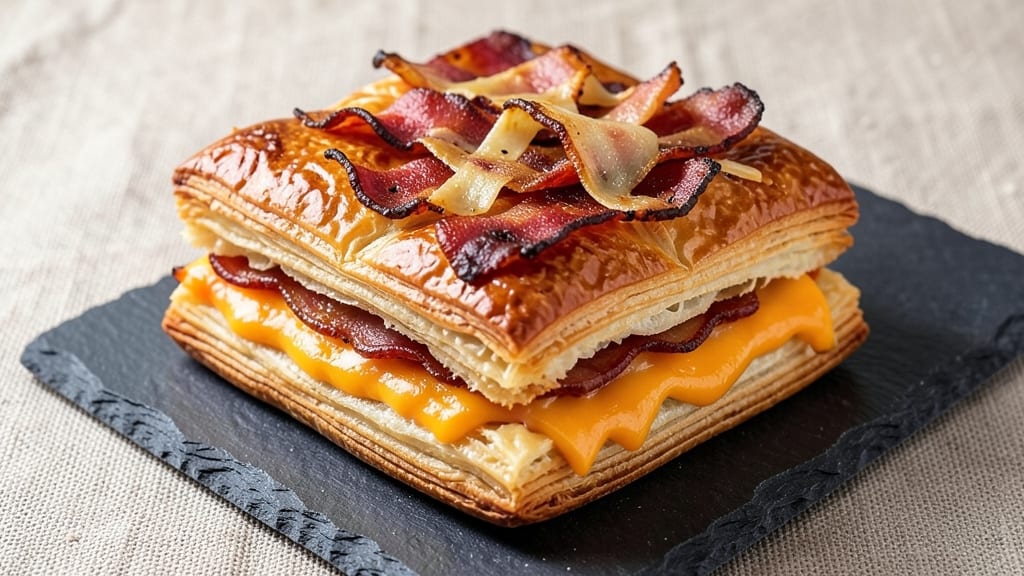
This bacon and cheese pastry recipe delivers smoky crisp edges and gooey cheese rivers that make every bite irresistible. 🔥 The secret lies in a flaky, buttery crust that encases perfectly cooked bacon and melty cheese, creating a handheld masterpiece that's ideal for breakfast or brunch.
I've perfected this technique over years of testing, ensuring the filling stays rich and the crust achieves that coveted golden-brown finish.
What sets this recipe apart is the balance between crispy pastry and tender filling. The dough comes together quickly with simple ingredients, while the filling combines crispy bacon, sharp cheddar, and a touch of cream cheese for extra richness.
Baking at the right temperature ensures the cheese pulls apart cleanly, creating those signature rivers that make this dish so satisfying.
By the time you pull these pastries from the oven, you'll have golden, flaky shells filled with crispy bacon and stretchy cheese that practically melts in your mouth. The aroma alone will have everyone gathering around the table, and the first bite delivers that perfect combination of textures and flavors.
This recipe is designed to impress without being overly complicated.
Whether you're serving these for a weekend brunch or a quick weeknight dinner, they're guaranteed to disappear fast. The versatility of this recipe means you can easily customize the filling with different cheeses or add-ins. Let's get started on creating these delicious, handheld treats that taste like a restaurant-quality meal.
Ingredients for bacon and cheese pastry
Twelve simple ingredients create restaurant-worthy pastries with crispy bacon and melty cheese rivers.
| Ingredient | Amount | Notes |
|---|---|---|
| Unsalted Butter 🧈 | 1 cup | Cold, cubed for flaky crust |
| All-Purpose Flour 🌾 | 3 ½ cups | Plus 2 tbsp for rolling |
| Ice Water 💧 | ½ cup | Chilled for tough dough |
| Salt 🧂 | 1 ½ tsp | Fine sea salt preferred |
| Thick-Cut Bacon 🥓 | 1 ½ lb | Cooked until crispy |
| Sharp Cheddar Cheese 🧀 | 2 cups | Shredded, block preferred |
| Cream Cheese 🧀 | 8 oz | Room temperature, full-fat |
| Heavy Cream 🥛 | ¼ cup | For extra richness |
| Garlic Powder 🧄 | 1 tsp | For subtle depth |
| Black Pepper 🌶️ | ½ tsp | Freshly cracked |
| Egg 🥚 | 1 whole | For egg wash |
| Coarse Sugar 🍚 | 1 tbsp | For sprinkling |
The butter makes or breaks this—Plugrá or European-style gives the best flakiness. Grab it from Whole Foods or the bakery section if your regular store doesn't carry it. Thick-cut bacon is non-negotiable here—it stays crispy longer than thin slices. I always buy Oscar Mayer Thick Cut or Applewood smoked bacon from the deli counter. The cheddar? Sharp, block-style (like Cabot) melts better than pre-shredded. For the cream cheese, Philadelphia is my go-to—it's consistently smooth and rich.
No thick-cut bacon? Regular bacon cooked extra crispy works in a pinch, but it'll get soggy faster. Pre-shredded cheese? Drain and dry it first—it's packed with anti-caking agents that make the filling watery. Short on heavy cream? Half-and-half or whole milk adds richness, just use a splash less. For a tangier bite, swap half the cheddar for pepper jack. The dough gets tough if overworked, so handle it gently—chilled hands help. And if you don't have coarse sugar, brown sugar works just as well for that caramelized finish.
Bacon keeps 5 days in the fridge once cooked—store it in an airtight container to keep it crispy. The dough can be made 1 day ahead, wrapped tightly and chilled. For make-ahead filling, assemble the pastries but don't bake—cover and refrigerate for up to 24 hours. Reheat in a 350°F oven for 10 minutes to restore that perfect crisp. Freeze unbaked pastries for 2 months—bake straight from frozen, adding 5 extra minutes.
Why You'll Love This Recipe
- Foolproof Flaky Crust: I swear by this butter-and-flour combo—just mix, chill, roll, and fold. No food processor, no fancy techniques, just your hands and a little patience. That crispy, golden-brown shell? It’s all in the ice water trick, and honestly, it’s worth the 10-minute wait.
- Bacon’s Smoky Magic: Thick-cut bacon isn’t just a garnish here—it’s the star. Crisped until the edges curl, then tucked into the dough, where it melts into the cheese like a salty, savory hug. Between us, I’ve tried pre-cooked bacon, but fresh? That’s where the flavor actually lives.
- Weeknight & Potluck Hero: This pastry is my go-to for lazy nights (dump filling, bake, done) and impressing guests (it looks way fancier than it is). Serve it as a breakfast casserole, a handheld appetizer, or a make-ahead brunch centerpiece. My in-laws think I slaved over it—our secret’s safe.
- Budget-Friendly Leftovers: A single sheet pan, minimal ingredients, and a recipe that stretches across three meals. Freeze half the dough, pull it out later, and bake fresh—no texture loss, just pure convenience. (Yes, even on a Tuesday night.) Plus, bacon and cheese stretch farther than you’d think, so your wallet stays happy.
Step-by-step instructions for bacon and cheese pastry
Here's how to create that perfect flaky crust with gooey cheese rivers and crispy bacon.
👨🍳 Step 1: Make the Cold Butter Dough
In a large mixing bowl, combine the 1 cup cold cubed unsalted butter with the 3.5 cups all-purpose flour and 1.5 tsp salt. Use a pastry cutter or your fingers to work the butter into the flour until you have pea-sized pieces evenly distributed. This creates the flaky layers that make this pastry so special.
Add the 1 tsp garlic powder and 0.5 tsp black pepper to the flour mixture and stir to combine. The cold butter is crucial here—it prevents the dough from becoming too soft and ensures those beautiful flaky layers when baked. If your kitchen gets warm, chill the dough for 15 minutes before proceeding.
🍳 Step 2: Add Ice Water and Form the Dough
Gradually add the 0.5 cup ice water, 1 tablespoon at a time, mixing gently with a fork until the dough just comes together. Don't overmix—just until it forms a shaggy mass that holds when pressed. The ice water keeps the dough firm and prevents it from becoming sticky.
Turn the dough out onto a lightly floured surface and knead it 4-5 times just to bring it together. The dough should be cool to the touch and not sticky. If it feels too soft, chill it for 10 minutes before rolling. Divide the dough into 3 equal pieces and wrap each in plastic wrap. Refrigerate for at least 1 hour—this resting time relaxes the gluten and makes rolling easier.
🔥 Step 3: Cook the Bacon and Prepare the Cheese Filling
While the dough rests, cook the 1.5 lb thick-cut bacon in a skillet over medium heat until crispy, about 12-15 minutes. Drain on paper towels, reserving 2 tablespoons of bacon fat for the filling. Chop the bacon into small pieces—they'll melt into the cheese filling later.
In a separate bowl, mix the 2 cups shredded sharp cheddar cheese, 8 oz cream cheese, 0.25 cup heavy cream, 1 whole egg, and the reserved bacon fat. Stir until completely smooth and creamy. The mixture should be thick but spreadable. Taste and adjust seasoning if needed—this is your chance to make sure the filling is perfectly seasoned before it goes into the pastry.
🥘 Step 4: Roll, Fill, and Assemble the Pastry
Remove one piece of dough from the refrigerator and roll it out on a floured surface into a 12x10-inch rectangle, about 1/8-inch thick. Spread the cheese filling evenly over the dough, leaving a 1-inch border around the edges. Sprinkle the chopped bacon evenly over the filling, then top with the 1 tablespoon coarse sugar for a touch of sweetness that balances the savory flavors.
Roll up the dough tightly from the long side, pinching the seam to seal. Trim the ends to make a neat log. Repeat with the remaining dough and filling. Wrap each log individually in plastic wrap and refrigerate for another 20 minutes to firm up before baking.
🔥 Step 5: Bake to Golden Perfection
Preheat your oven to 375°F. Line a baking sheet with parchment paper. Unwrap one pastry log and place it seam-side down on the prepared baking sheet. Make a deep slit down the center of the log using a sharp knife—this creates that signature pull-apart effect and allows the cheese to ooze out beautifully.
Bake for 25-30 minutes until the pastry is golden brown and the cheese is bubbling through the slits. If the top browns too quickly, tent it loosely with foil. The internal temperature should reach 165°F when checked with an instant-read thermometer. Repeat with the remaining pastry logs, spacing them 2 inches apart on the baking sheet.
Pro Tips For Making Bacon And Cheese Pastry
- Chill the Dough Properly: Don’t just toss your butter-flour mix in the fridge for "a bit." Wrap it in plastic and let it rest for at least 30 minutes—ideally longer—while you cook the bacon. The ice water needs time to hydrate the flour evenly, or you’ll end up with a tough, crumbly mess. (Yes, even if you’re impatient like me.)
- Cook Bacon Until Crisp: Thick-cut bacon takes time—don’t rush it. Render the fat slowly over medium heat until the edges curl, then crank the heat to high for the last 2 minutes. Overcooked bacon turns greasy; undercooked stays chewy. Save the rendered fat for the pastry dough—it’s liquid gold.
- Skip the Overmixing: Once you add ice water to your dough, stop stirring the second it starts clumping. Overworking it develops gluten and turns your flaky pastry into tough bread dough. Use your hands to gently fold it together—just until it holds shape.
- Use Cold Butter, Not Warm: I learned this the hard way—soft butter melts into the dough, making it greasy and hard to roll. Cut your unsalted butter into cubes and freeze them for 10 minutes before mixing. Cold butter creates those perfect flaky layers when baked. (Your future self will thank you.)
Pro cooking tips for this dish
Dough Temperature Control
The key to flaky layers is keeping everything cold. Work with your dough on a chilled surface and use cold butter cubes straight from the fridge. If your kitchen feels warm, chill the dough for 15-20 minutes before rolling.
I once forgot and ended up with tough pastry—don't make that mistake! Use a thermometer to check dough temp: it should stay between 40-45°F for optimal texture. 🌡️
Bacon Fat Magic
Never throw away that bacon fat! Reserve 2 tablespoons when cooking your bacon to mix into the cheese filling. This adds incredible richness and helps bind the filling together. For extra flavor, I sometimes add a pinch of smoked paprika to the reserved fat.
If you're short on time, use 2 teaspoons of olive oil as a substitute, though it won't be quite as flavorful.
Filling Consistency
The perfect filling should be thick but spreadable—like soft mashed potatoes. If your mixture seems too loose, add 1 tablespoon extra flour or let it sit at room temperature for 10 minutes to thicken.
For a creamier texture, I sometimes add 1 tablespoon sour cream to the filling. Overmixed filling can make the pastries soggy, so mix just until smooth. 🥛
Precision Rolling
Use a rolling pin with a consistent thickness—about 1/8-inch—for even baking. I like to roll from the center outward to maintain control. If the dough resists, let it rest for 5 minutes in the fridge.
For extra flakiness, gently fold the dough in half once before rolling. Never skip the 1-inch border when spreading filling—this prevents leaks during baking.
Baking Time Mastery
Watch your pastries carefully after 20 minutes of baking—they go from perfect to overdone quickly. Rotate the baking sheet halfway through for even browning. If the top browns too fast, tent with foil.
The internal temperature should reach 165°F at the center. For extra crispiness, broil for 1-2 minutes at the end, but keep a close eye to avoid burning. 🔥
Resting Between Steps
Never skip the resting times! Let the dough rest 1 hour before rolling and 20 minutes after assembling. This prevents shrinking and ensures clean slices. For make-ahead pastries, assemble and refrigerate for up to 24 hours before baking.
The flavors meld beautifully overnight, and the cheese stays perfectly gooey. I always make a double batch on Sundays to have ready for the week.
Nutrition facts
Frequently asked questions
Can I make this pastry ahead of time?
Assemble the pastries and refrigerate them (unbaked) for up to 24 hours before baking. For best results, bake them straight from the fridge at 375°F, adding 5 extra minutes to the baking time. You can also freeze unbaked pastries for 2 months—just bake from frozen, adding 10 extra minutes to ensure the center reaches 165°F.
What if my pastry dough gets too sticky?
If your dough feels too soft or sticky, it needs more time in the fridge. Chill it for 15-20 minutes before rolling, and work on a lightly floured surface. Never add extra flour—this can make the crust tough. If the dough resists rolling, let it rest another 10 minutes in the freezer. Cold hands help too!
Can I use pre-made pie crust instead?
Yes, but for best results, use a high-quality all-butter pie crust (like Pillsbury or store-bought all-butter versions). Roll it to 1/8-inch thickness and follow the same assembly steps. Pre-made crusts may not be as flaky, but they'll still give you delicious pastries. For extra crispiness, brush the crust with egg wash before baking.
Why did my cheese filling leak out?
Leaky filling usually means the dough wasn't rolled thin enough or the filling was too loose. Always maintain a 1-inch border around the edges and roll the dough to 1/8-inch thickness. If your filling is too runny, add 1 tablespoon flour or let it sit at room temperature for 10 minutes to thicken. Chill the assembled pastries for 20 minutes before baking to help the dough hold its shape.
What are some good cheese substitutions?
For a tangier flavor, swap half the cheddar for pepper jack or gouda. For extra creaminess, try monterey jack or fontina. Avoid pre-shredded cheese—it contains anti-caking agents that make the filling watery. If you love spice, add 1/4 tsp cayenne pepper to the filling. The key is using block cheese that shreds fresh.