
Soups & Stews
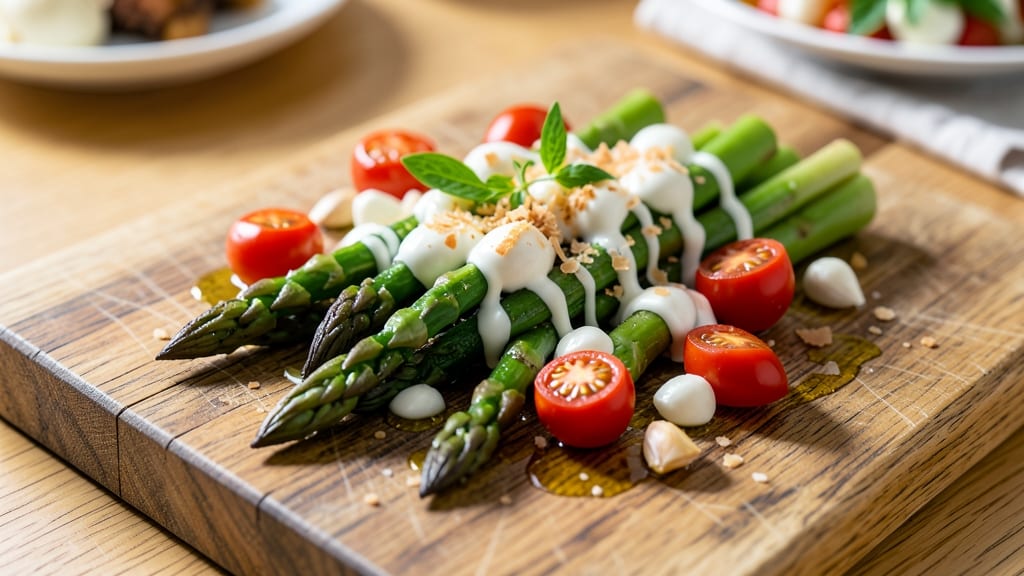
This asparagus tomato cheese recipe transforms simple ingredients into a dish that’s crispy, cheesy, and packed with springtime flavor—perfect for a light yet satisfying dinner.
Roasting asparagus and tomatoes until tender-crisp creates a textural contrast that pairs beautifully with melted cheese, while a touch of garlic and herbs elevates every bite. The result is a dish that feels fancy but comes together in under 45 minutes with minimal effort.
The secret lies in the technique: roasting the vegetables at high heat until their edges caramelize, then finishing them under the broiler to achieve that signature golden-brown crust.
A sprinkle of parmesan and mozzarella transforms the dish into something rich and indulgent, with cheese that melts into a creamy, fondue-like blanket over the vegetables. This method ensures the asparagus stays crisp-tender while the tomatoes soften just enough to soak up all the cheesy goodness.
What you’ll end up with is a dish that’s hearty enough to serve as a main course but light enough to feel like a springtime celebration. The combination of earthy asparagus, sweet tomatoes, and savory cheese creates a balance of flavors that’s both comforting and refreshing.
It’s the kind of meal that feels special without requiring hours in the kitchen—ideal for weeknight dinners or weekend brunches.
Serve it as a standalone dish with crusty bread for dipping, or pair it with grilled chicken or shrimp for a complete meal. The recipe scales easily, making it perfect for feeding a crowd or prepping ahead for meal prep. Here’s how to make it shine.
Ingredients for asparagus tomato cheese
Roasted asparagus and tomatoes meet melty cheese for a springtime dish that balances crisp textures with rich flavors.
| Ingredient | Amount | Notes |
|---|---|---|
| Fresh Asparagus 🌱 | 1 ½ lb | Trimmed, woody ends removed |
| Cherry Tomatoes 🍅 | 1 lb | Halved, uniform size |
| Mozzarella Cheese 🧀 | 8 oz | Fresh, sliced or shredded |
| Parmesan Cheese 🧀 | ½ cup | Freshly grated, block preferred |
| Extra-Virgin Olive Oil 🫒 | ½ cup | High quality, fruity |
| Garlic Cloves 🧄 | 4 cloves | Minced, fresh preferred |
| Fresh Basil Leaves 🌿 | ¼ cup | Chopped, stems removed |
| Salt 🧂 | 1 ½ tsp | Diamond Crystal kosher |
| Black Pepper 🌶️ | ½ tsp | Freshly ground |
| Crusty Bread 🍞 | 1 loaf | For serving, optional |
| Balsamic Glaze 🍷 | 2 tbsp | For drizzling, optional |
| Red Pepper Flakes 🌶️ | ¼ tsp | Adjust to taste |
Asparagus and tomatoes are the foundation—look for bright green asparagus with tight tips and plump, firm tomatoes at the grocery store. Whole Foods or local farmers markets often have the freshest produce, but any well-stocked supermarket will do. For the cheese, fresh mozzarella (the milky, soft kind) melts best—skip the pre-shredded bagged stuff. The Parmesan should be real Parmigiano-Reggiano, freshly grated from a block for maximum flavor. Olive oil quality matters here—California or Italian brands like Bertolli or Filippo Berio elevate the dish significantly.
No fresh basil? Dried oregano at half the amount works in a pinch, though fresh is ideal. Short on mozzarella? Fontina or Gruyère melt beautifully and add depth. The tomatoes can be subbed with heirloom or grape tomatoes if you prefer, though cherry tomatoes work perfectly. For extra richness, add 1 tbsp heavy cream to the cheese mixture before broiling. The balsamic glaze is optional but adds a sophisticated touch—Trader Joe's has excellent affordable options. If you're serving this as a main, consider adding grilled chicken or shrimp to round out the meal.
Roasted vegetables keep well for 3 days in the fridge, though the asparagus may soften slightly. The cheese mixture should be made fresh before serving to maintain its meltiness. For meal prep, roast the vegetables ahead and store them separately from the cheese. When ready to serve, broil the vegetables for 3-5 minutes with the cheese topping for that signature melty texture. The dish reheats beautifully—simply broil for 2-3 minutes to restore crispness. Portion into individual serving dishes for easy grab-and-go lunches.
Why You'll Love This Recipe
- One-Pan Magic: I swear by this recipe when I’m too tired to wash dishes—just toss everything on a sheet pan, drizzle with olive oil, and let the broiler do the work. No chopping boards, no fuss, just that golden, melty perfection with zero cleanup.
- Crispy-Creamy Obsession: The asparagus gets that blistered, charred edge while the tomatoes burst, and the mozzarella? It turns into gooey, stretchy ribbons that make you want to eat it straight off the pan. (Between us, I’ve done it.)
- Weeknight & Weekend Star: Throw it together for a lazy Tuesday dinner or serve it at a picnic—it’s equally at home on a countertop or a picnic blanket. Add a sprinkle of Parmesan for crunch, and suddenly you’ve got a dish that feels fancy but takes zero effort.
- Budget-Friendly Leftovers: Fresh asparagus and cherry tomatoes are often cheaper than you’d think, and this recipe stretches them perfectly. I make double batches, and the next day’s lunch is just as good—maybe even better—with a sprinkle of extra Parmesan for that umami kick.
Step-by-step instructions for roasted asparagus tomato cheese
This method delivers a perfect balance of caramelized vegetables and melty cheese with a crispy, golden crust.
Prep and Season the Vegetables
Preheat your oven to 425°F and line two baking sheets with parchment paper. Trim the woody ends from the 1.5 lb fresh asparagus, leaving the tender tips intact. Cut the asparagus into 2-inch pieces—this ensures even cooking and maximum surface area for browning.
Halve the 1 lb cherry tomatoes and place them in a large bowl. Add the asparagus pieces, 4 cloves minced garlic, 0.5 cup extra-virgin olive oil, 1.5 tsp salt, and 0.5 tsp black pepper. Toss everything together vigorously with your hands, ensuring the vegetables are evenly coated. The olive oil should glisten on the surfaces, indicating proper distribution.
Roast Until Caramelized
Spread the seasoned vegetables in a single layer on the prepared baking sheets, leaving ½-inch space between each piece. This spacing prevents steaming and allows for even browning. Roast for 15-18 minutes until the asparagus is tender with slightly charred edges and the tomatoes have burst open, releasing their juices.
Here's the thing—you want to see deep golden brown spots on the asparagus and slightly blistered skin on the tomatoes. If the edges aren't browning enough, rotate the sheets halfway through. The vegetables should be fork-tender but still hold their shape. Remove the sheets from the oven and let them cool for 5 minutes—this prevents the cheese from sliding off later.
Assemble the Cheese Mixture
While the vegetables cool, combine the 8 oz mozzarella cheese (sliced or shredded), 0.5 cup freshly grated Parmesan cheese, 0.25 cup chopped fresh basil leaves, and 0.25 tsp red pepper flakes in a medium bowl. Mix gently with a fork until the cheeses are evenly distributed and the basil is dispersed throughout. The mixture should look like a creamy, herby cheese blend ready to melt.
Real talk: if using sliced mozzarella, tear it into ¼-inch pieces for even melting. The Parmesan adds depth, while the basil and red pepper flakes bring freshness and a subtle kick. Don't skip the red pepper flakes—they balance the richness of the cheese beautifully.
Create the Cheese Topping
Return the roasted vegetables to the oven on the same sheets (no need to clean them—the fond is flavor). Increase the oven temperature to 450°F and spread the cheese mixture evenly over the vegetables, pressing down gently with the back of a spoon. The goal is to create a thick, even layer that will melt into a golden, bubbly crust.
Bake for 8-10 minutes until the cheese is fully melted and has turned a deep golden brown in spots. You'll see the cheese bubbling and forming a slightly crispy top—this is what makes the dish so satisfying. If the cheese browns too quickly, tent the sheets loosely with aluminum foil to prevent burning.
Serve with Crunchy Bread
Remove the baking sheets from the oven and let the dish rest for 2-3 minutes to allow the cheese to set slightly. This resting period ensures the cheese doesn't slide off when you serve it. Transfer the vegetables and cheese to a platter, drizzle with 2 tbsp balsamic glaze, and sprinkle with any remaining chopped basil.
Serve immediately with slices of crusty bread on the side for dipping. The contrast between the warm, melty cheese and the cool, crispy bread is what makes this dish truly special. Each bite should deliver a mix of tender asparagus, juicy tomatoes, and that perfect pull-apart cheese texture. Enjoy while everything is hot!
Pro Tips For Making Asparagus Tomato Cheese
- TRIM ASPARAGUS AT THE LAST POSSIBLE MOMENT: I learned this the hard way—trimming asparagus too early makes it limp by the time it hits the pan. Snap off the tough ends right before cooking (they’ll break naturally where the woody part starts) and keep the spears whole until you’re ready to sear them. The crisp-tender texture is worth the extra 2 minutes of prep.
- SALT THE MOZZARELLA LIKE IT’S PASTA WATER: Fresh mozzarella is often brined, so it’s already salty. Tear it into chunks and sprinkle them with a pinch of flaky salt before adding them to the pan—this lets the seasoning meld into the cheese instead of making the dish taste like a salt mine. (Yes, even if the package says it’s "low-sodium.")
- DON’T OVERCROWD THE PAN: I used to pile everything in at once, thinking more = better. Wrong. Give the asparagus and tomatoes space to brown—crowding steams them instead of searing. Cook in batches if needed, or use a large, shallow skillet. You want caramelized edges, not sad, soggy veggies.
- USE ROOM-TEMP CHEESE FOR EVEN MELTING: Cold mozzarella clumps and doesn’t brown. Take the cheese out of the fridge 15 minutes before cooking so it softens slightly—this guarantees it melts smoothly into strings instead of rubbery blobs. (Pro move: Let the cherry tomatoes sit out too; they’ll release their juices better when warm.)
Essential equipment for this dish
Roasting Pan Essentials
Your 425°F oven and two 12x17-inch baking sheets are non-negotiable for this dish. I recommend All-Clad stainless steel sheets for even heat distribution—they're pricier but worth it for browning.
For budget-friendly options, Ozeri heavy-duty baking sheets work perfectly. Line them with parchment paper to prevent sticking and make cleanup a breeze. 🔥
Cheese Melting Tools
A medium bowl for mixing your cheese blend is key—use one with 2-quart capacity to avoid overcrowding. I prefer glass or ceramic bowls because they're easier to clean than plastic.
For spreading cheese evenly, a flexible silicone spatula (like OXO Good Grips) works better than metal spoons—it won't scratch your baking sheets or disturb the roasted vegetables.
Temperature Control
An infrared thermometer like the Thermoworks Thermapen is my secret weapon for monitoring your oven's accuracy. Ovens run hot or cold, and this dish requires precise 425°F for roasting and 450°F for broiling.
Calibrate your oven if needed—many ovens are off by 25°F or more! For the broiling step, position racks in the middle position to ensure even browning.
Freshness Preservation
Invest in a sharp chef's knife (I use Mercer Culinary Genesis) for trimming asparagus and halving tomatoes—dull knives crush vegetables, leading to uneven cooking. A microplane for garlic and a small food processor for chopping basil save time and ensure consistency.
Store your cheese in airtight containers with parchment paper between layers to prevent drying out.
Serving Essentials
For plating, a large wooden board or stone serving tray elevates the presentation. Keep crusty bread warm in a 200°F oven while finishing the dish—Bocuse baguettes from Whole Foods stay crispy perfectly.
A small squeeze bottle makes drizzling balsamic glaze effortless without making a mess. Don't forget a pair of tongs for serving to maintain that perfect cheese crust. ✨
Nutrition facts
Frequently asked questions
Can I use frozen asparagus instead of fresh?
Fresh asparagus gives the best texture, but frozen works in a pinch! Thaw it completely first, then pat dry thoroughly to avoid excess moisture. Roast frozen asparagus for 2-3 extra minutes since it starts colder. The tips may soften slightly more, but the flavor will still be delicious.
What's the best cheese substitute if I don't have mozzarella?
Fontina or Gruyère melt beautifully and add rich depth. For a lighter option, try ricotta salata or halloumi—both hold their shape well when heated. If you're avoiding dairy, swap the cheese for vegan mozzarella shreds (like Miyoko's) and add nutritional yeast for a cheesy flavor.
How do I prevent the cheese from sliding off the vegetables?
Let the roasted vegetables cool for 5 minutes before adding cheese—this helps them firm up slightly. Press the cheese mixture down gently with the back of a spoon, and broil for just 8-10 minutes to create a cohesive crust. If needed, chill the dish for 10 minutes before serving to set the cheese.
Can I make this ahead of time?
Roast the vegetables 1 day ahead and store them in an airtight container. Reheat in a 375°F oven for 10 minutes before adding fresh cheese and broiling. For best results, assemble the dish fresh—pre-melted cheese won't have the same texture.
Why did my tomatoes turn mushy instead of caramelized?
Overcrowding or under-ripeness causes mushiness. Use uniformly sized cherry tomatoes and leave ½-inch space between them on the sheet. Roast at 425°F for no more than 18 minutes—they should blister but stay intact. For extra protection, tent with foil after 12 minutes if your oven runs hot.