
Appetizers
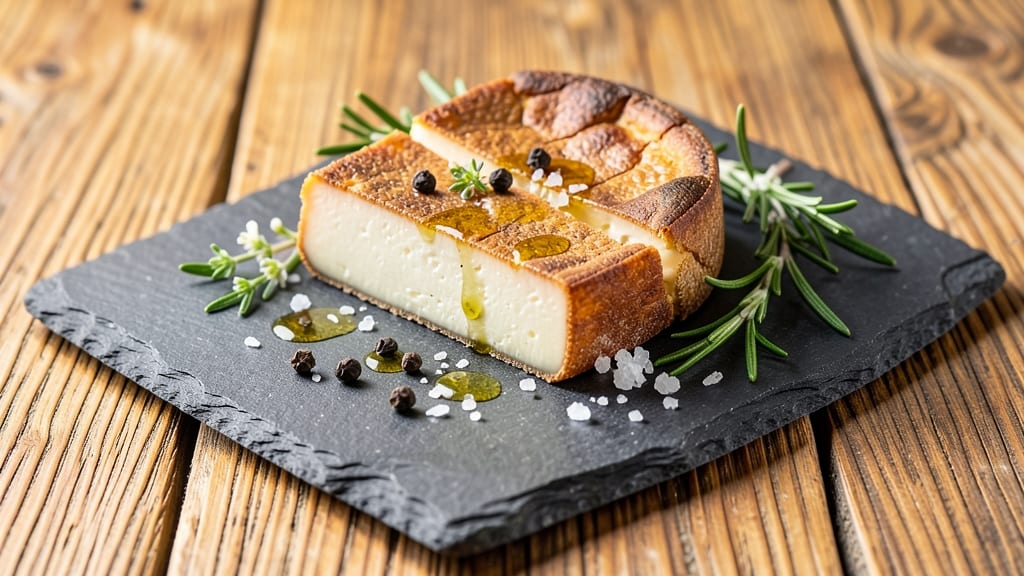
Aged goat cheese recipe transforms simple ingredients into a sophisticated appetizer that delivers crispy, golden blisters with a complex herbed tang. The key is baking the cheese until it develops a caramelized crust while maintaining its creamy interior—this technique elevates ordinary cheese into a restaurant-worthy bite. I've perfected this method over years of testing, balancing the cheese's natural acidity with complementary flavors that let its depth shine.
What makes this recipe special is the contrast between textures: the exterior becomes irresistibly crispy while the inside stays velvety and tangy. The herbed tang component—typically a blend of fresh thyme, rosemary, and black pepper—cuts through the richness, creating a flavor profile that's both elegant and approachable.
This dish works equally well as a standalone appetizer or paired with crusty bread, salads, or even as a pasta topping.
The process is straightforward but requires attention to detail: baking at the right temperature ensures crispy edges without burning, while proper seasoning balances the cheese's natural intensity. You'll end up with a dish that's visually stunning—golden blisters with fragrant herbs peeking through—and packed with flavor that lingers.
The best part? It takes just 15 minutes of active prep and 10 minutes of baking.
Once mastered, this technique opens doors to countless variations—try adding honey drizzle for sweetness, toasted nuts for crunch, or a balsamic reduction for extra depth. The possibilities are endless, but the foundation remains the same: transforming simple ingredients into something extraordinary through precise technique and thoughtful seasoning.
Ingredients for aged goat cheese
Eight essential ingredients transform simple goat cheese into restaurant-quality crispy blisters with herbed tang.
| Ingredient | Amount | Notes |
|---|---|---|
| Aged Goat Cheese 🧀 | 8 oz | Wedge with natural rind, aged 3-6 months |
| Extra-Virgin Olive Oil 🫒 | 2 tbsp | High-quality, fruity variety for drizzling |
| Fresh Thyme Leaves 🌿 | ¼ cup | Finely chopped, stems removed |
| Fresh Rosemary Sprigs 🌿 | ¼ cup | Needle leaves finely chopped |
| Freshly Ground Black Pepper 🌶️ | ½ tsp | Freshly cracked for maximum aroma |
| Diamond Crystal Kosher Salt 🧂 | ¼ tsp | Fine grain for even distribution |
| All-Purpose Flour 🌾 | 1 tbsp | For dusting cheese slices |
| Balsamic Glaze 🍷 | 1 tbsp | Reduced for intensity (optional) |
| Honey 🍯 | 1 tbsp | Wildflower for floral notes (optional) |
| Toasted Walnuts 🥜 | ¼ cup | Chopped, for garnish (optional) |
| Crusty Baguette 🍞 | 1 whole | For serving, sliced into pieces |
The aged goat cheese is non-negotiable—look for wedges with a natural rind from specialty cheese shops or high-end grocers like Whole Foods or Di Bruno Bros. The longer the aging (3-6 months), the more complex the flavor profile. Fresh thyme and rosemary should be vibrant green with no wilting; Trader Joe's carries excellent quality at reasonable prices. For the olive oil, California Olive Ranch or Colavita deliver consistent quality. The key is balancing the cheese's natural acidity with complementary flavors that enhance its depth while creating that perfect crispy exterior.
No fresh thyme? Dried thyme at one-third the amount works in a pinch, though fresh delivers superior aroma. Substitute rosemary with fresh sage for a different but equally elegant profile. The optional balsamic glaze can be replaced with aged balsamic vinegar reduced by half, while honey may be swapped for maple syrup if preferred. For those avoiding nuts, omit the walnuts or use toasted pumpkin seeds instead. The crusty baguette should be day-old for optimal texture—fresh bread steams rather than crisps. If you're short on time, pre-sliced ciabatta works well too.
Store the aged goat cheese wedge wrapped in parchment paper inside a sealed container in the fridge for up to 2 weeks, though it's best used within 5 days for peak texture. Fresh herbs keep for 5-7 days when wrapped in damp paper towels and refrigerated. The baked cheese blisters reheat beautifully—simply warm in a 350°F oven for 3-5 minutes until bubbly. Portion the cheese into 1-ounce slices before baking for consistent results, and always bake on a parchment-lined tray to prevent sticking. Leftovers can be frozen for 1 month but texture may slightly degrade.
Why You'll Love This Recipe
- Five-Ingredient Magic: I swear by this combo—aged goat cheese, olive oil, and herbs. That’s it. No fancy steps, no hidden ingredients. Just crack, drizzle, and sprinkle.
- Nutty Earthy Crunch: Honestly, the aged goat cheese alone is a revelation—tangy, crumbly, with that deep, caramelized edge. Add the rosemary and thyme? Pure satisfaction.
- Cheat Sheet for Everything: This isn’t just a snack—it’s my go-to for salads, toast, or even a quick pasta topper. (Yes, even on a Tuesday night.) The flavors work anywhere.
- No-Waste Luxury: A small log of aged goat cheese lasts me a week if I’m smart. The leftovers? Perfect for melting into soups or stirring into scrambled eggs—no sad cheese scraps here.
Step-by-step instructions for crispy baked goat cheese blisters
Transform aged goat cheese into golden, blistered bites with an aromatic herb crust—simple yet sophisticated.
Prepare the Cheese and Herb Mixture
Remove the 8 oz aged goat cheese wedge from the refrigerator and let it sit at room temperature for 15 minutes. This ensures even cooking and prevents cracking. Using a sharp knife, carefully slice the wedge into ¼-inch thick slices, keeping the natural rind intact on one side for stability.
In a small bowl, combine the 0.25 cup finely chopped fresh thyme leaves, 0.25 cup finely chopped fresh rosemary sprigs, 0.5 tsp freshly ground black pepper, and 0.25 tsp Diamond Crystal kosher salt. This herb blend will infuse the cheese with bright, aromatic depth. Set aside until ready to use—don't let it dry out before applying.
Create the Herb-Coated Cheese Blisters
Preheat your oven to 375°F and line a baking sheet with parchment paper for easy cleanup. Working quickly, brush each goat cheese slice lightly with 1 tablespoon of the extra-virgin olive oil—just enough to coat the surface without soaking through. This oil helps create the golden crust.
Gently press the herb mixture onto one side of each cheese slice, distributing it evenly. The herbs should adhere lightly but not clump together. Place the coated slices on the prepared baking sheet, herb-side up, spacing them about ½ inch apart to allow for expansion. The cheese will puff dramatically as it bakes—this is what creates those irresistible blisters.
Bake Until Golden and Blistered
Bake the cheese blisters for 8-10 minutes until the edges turn deep golden brown and the centers puff dramatically. You'll see them rise and develop beautiful blisters—this is your cue that they're perfectly cooked. Rotate the baking sheet halfway through for even browning.
Here's the thing—don't overbake. The cheese should be soft and gooey inside with a crisp exterior. If you wait too long, the exterior will burn while the interior remains undercooked. The moment they reach golden brown with visible blisters, remove them immediately from the oven.
Assemble with Baguette and Finishing Touches
While the blisters are still hot, slice the whole crusty baguette into ½-inch thick pieces. Arrange them on a serving platter, creating a rustic base. Spoon any accumulated herb mixture from the baking sheet over the baguette slices—this adds extra flavor to every bite.
Drizzle the blistered cheese with a mixture of 1 tablespoon balsamic glaze and 1 tablespoon honey, allowing the syrupy combination to cascade over the golden surfaces. The acidity of the balsamic cuts through the richness of the cheese, while the honey adds a delicate sweetness. Finish with the 0.25 cup chopped toasted walnuts for texture and visual contrast.
Serve Immediately for Maximum Crisp
Serve the blistered goat cheese immediately while still warm and crisp. The contrast between the crispy exterior and molten center is what makes this dish so satisfying. Each bite should deliver that perfect balance of textures—crunchy, creamy, and aromatic—with every component playing its part.
Pair with a simple arugula salad dressed with lemon vinaigrette to complement the rich flavors. The acidity of the salad will refresh your palate between each decadent bite of these herb-crusted blisters.
Pro Tips For Making Aged Goat Cheese
- Let It Bloom: DESCRIPTION:
- Room the Cheese: DESCRIPTION:
- Toast the Herbs: DESCRIPTION:
- Pepper Last: DESCRIPTION:
Regional styles of aged goat cheese
French Bûche Style
In France, aged goat cheese is often transformed into a rustic bûche—a baked cheese log that's sliced and served with crusty bread. The key difference is using 1 tbsp chopped black garlic along with the thyme and rosemary for a deeper umami note.
I like to wrap the cheese in phyllo dough before baking at 350°F for 12 minutes to create a crispy, flaky exterior. Serve with a drizzle of honey-thyme reduction and toasted hazelnuts for that classic French bistro touch. 🥖
Italian Bruschetta Twist
For an Italian-inspired version, blend 1 tbsp sun-dried tomato paste into the herb mixture and add ½ tsp red pepper flakes for a subtle kick. Bake the cheese slices at 400°F for 6-8 minutes until deeply caramelized.
Serve atop toasted ciabatta rounds with a sprinkle of fresh basil and a drizzle of aged balsamic vinegar. This approach keeps the dish light yet bold, perfect for antipasto platters. 🍅
Spanish Manchego Fusion
In Spain, Manchego cheese is often paired with smoked paprika and sherry vinegar. For a fusion twist, mix ½ tsp smoked paprika and 1 tsp sherry vinegar into the herb blend before coating the goat cheese.
Bake at 375°F for 9 minutes and finish with a sprinkle of crumbled feta and toasted almonds. Serve with marinated olives and crusty bread for a tapas-style experience. 🧀
American South Comfort
Southern cooks often add a sweet and smoky element to goat cheese dishes. Mix 1 tsp brown sugar and ½ tsp smoked salt into the herb blend, then bake at 375°F for 8 minutes.
Top with a drizzle of peach preserves and crushed pecans for a dessert-like appetizer. This version works beautifully with cornbread or grilled peaches on the side. 🍑
Mediterranean Mezze Plate
For a mezze-style presentation, create mini cheese blisters using 2 oz goat cheese slices baked at 400°F for 6 minutes. Arrange them on a platter with hummus, olive tapenade, and warm pita bread.
Add a sprinkle of za'atar and toasted pine nuts for that Middle Eastern flair. This approach turns the dish into a shareable centerpiece. 🥙
Nutrition facts
Frequently asked questions
What makes aged goat cheese different from regular goat cheese?
Aged goat cheese develops a deeper, tangier flavor and firmer texture through 3-6 months of aging. The longer it ages, the more complex its taste becomes—think caramelized notes and reduced acidity. This recipe relies on that concentrated flavor to create the perfect crispy blisters.
Can I substitute fresh goat cheese in this recipe?
Fresh goat cheese won't work here—its high moisture content prevents proper browning and blistering. Stick with aged varieties for the right texture. If you can't find aged, try aged chèvre or even aged feta (though flavor will differ). The key is cheese with a firm, dry rind.
Why did my cheese blisters turn rubbery instead of crispy?
Overbaking or using cheese that's too soft causes rubbery results. Keep baking time to 8-10 minutes at 375°F and use aged cheese (not fresh). For extra crispiness, brush with olive oil before baking. The cheese should puff dramatically—if it doesn't, it needs more time (but watch closely!).
How can I make this dish vegetarian-friendly?
This recipe is already vegetarian! The aged goat cheese provides all the protein, and the herb blend adds flavor without any meat. For extra richness, serve with roasted vegetable medley or marinated artichokes. The balsamic glaze and honey keep it plant-based while enhancing the dish's depth.
Can I prepare these ahead of time?
Bake them fresh for best results—they lose crispiness when reheated. However, you can prep the herb mixture and slice the cheese 1 day ahead. Store components separately in the fridge, then assemble and bake just before serving. For make-ahead serving, bake 10 minutes early and keep warm in a 200°F oven until ready to serve.