
Appetizers
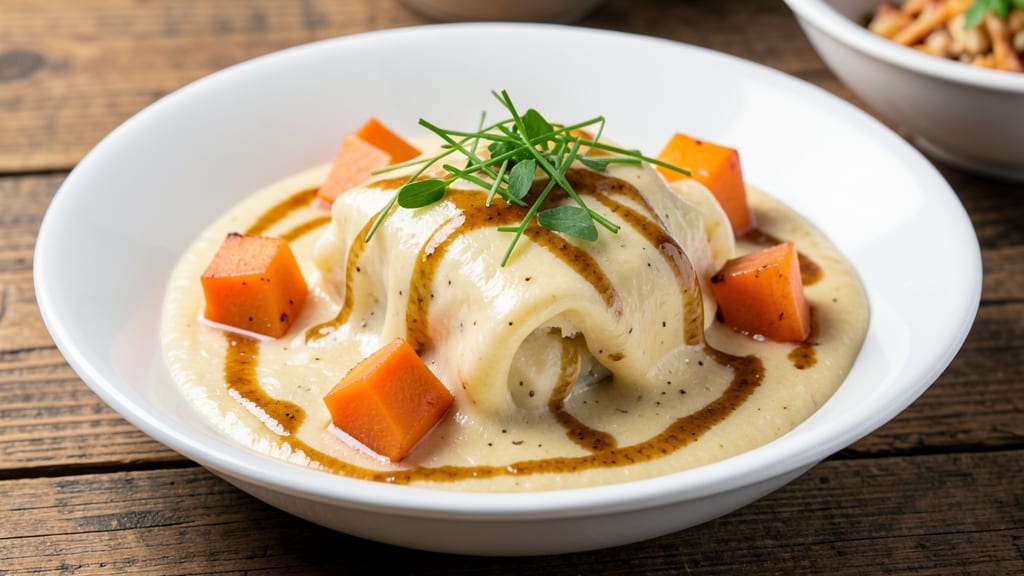
This bechamel cheese sauce recipe transforms simple pantry staples into a velvety, ultra-creamy foundation that elevates everything from mac and cheese to casseroles. The secret lies in a perfectly cooked roux—butter and flour blended to a golden paste—that forms the backbone of this rich, cheesy sauce.
I’ve refined this technique over years of testing, ensuring it never curdles or separates, even when reheated.
What sets this recipe apart is the balance: Gruyère and cheddar melt into a luxurious texture without overpowering, while a touch of mustard and nutmeg adds depth. The sauce thickens gradually as it simmers, creating that signature silky-smooth consistency that clings beautifully to pasta, vegetables, or baked dishes.
No fancy equipment needed—just patience and attention to temperature.
The result is a versatile, restaurant-quality sauce that’s ready in under 20 minutes. Use it as a standalone dip, layer it over gratin, or drizzle it generously on roasted chicken.
The key is letting it rest briefly after cooking, allowing flavors to meld and the sauce to reach its peak creaminess. Once you master this technique, homemade sauces will never be the same.
For extra richness, stir in a splash of heavy cream at the end, or swap cheeses to match your dish. This sauce keeps well in the fridge for up to 5 days, making it perfect for meal prep. Let’s get started—your taste buds (and leftovers) will thank you.
Ingredients for bechamel cheese
Simple pantry staples transform into velvety perfection—just 10 ingredients for restaurant-quality results.
| Ingredient | Amount | Notes |
|---|---|---|
| Unsalted Butter 🧈 | ½ cup | Cold, cubed for even cooking |
| All-Purpose Flour 🌾 | ½ cup | Sifted for smooth texture |
| Whole Milk 🥛 | 1 ½ cups | Whole preferred for creaminess |
| Gruyère Cheese 🧀 | 1 cup | Freshly grated, nutty flavor |
| Sharp Cheddar Cheese 🧀 | ½ cup | Shredded, aged variety |
| Dijon Mustard 🍯 | 1 tbsp | For subtle tanginess |
| Ground Nutmeg 🌿 | ¼ tsp | Freshly grated preferred |
| Salt 🧂 | ½ tsp | Diamond Crystal preferred |
| White Pepper 🌶️ | ¼ tsp | Freshly ground for warmth |
| Heavy Cream 🥛 | ¼ cup | Optional for extra richness |
The butter and flour form the golden roux—this is where the magic happens. European-style butter (like Plugrá) has higher fat content, giving a richer sauce, but any good unsalted butter works. For the flour, King Arthur All-Purpose is my go-to—it blends smoothly without lumps. The key is cooking the roux low and slow until it's a deep golden color, not brown. That's when it's ready to absorb the milk without curdling. Gruyère is non-negotiable for that nutty depth, but if you're in a pinch, Parmigiano-Reggiano works in a 1:1 swap. Just make sure it's freshly grated—pre-shredded cheese has anti-caking agents that can make the sauce grainy.
No Gruyère? Comté or Emmental are great substitutes—they melt beautifully. The cheddar adds sharpness, so avoid mild varieties. For the mustard, Dijon is ideal, but any good-quality prepared mustard works. Nutmeg is subtle but essential—if you don't have it, a pinch of cinnamon adds warmth. The heavy cream is optional but transforms this into a decadent sauce. If you skip it, the sauce will still be luscious—just slightly lighter. For extra flavor, add a splash of white wine or a pinch of smoked paprika to the roux before adding milk. And trust me, low heat is your friend—rushing this step is how sauces curdle.
This sauce keeps beautifully in the fridge for 5 days, sealed in an airtight container. For longer storage, freeze portions in ice cube trays, then transfer to a bag. Reheat gently over low heat, stirring constantly, until smooth. It reheats even better the second time—perfect for meal prep. If the sauce thickens too much, a splash of warm milk or cream brings it back to perfection. And if you're making mac and cheese? Double the sauce and drizzle it generously over the top. That's the real secret to restaurant-quality comfort food.
Why You'll Love This Recipe
- No-Fuss Foundation: I swear by this roux—just butter, flour, and milk—because it’s the backbone of so many dishes without any fuss. Once you’ve got that smooth, velvety base, the Gruyère and cheddar melt into something rich and impossible to resist.
- Cheese Love Every Time: Between us, Gruyère’s nutty depth and chedddar’s sharp bite make this sauce ridiculously good. It’s like a warm hug in your mouth, and honestly, I’ve never met a cheese sauce that doesn’t improve a dish.
- Weeknight Workhorse: This sauce is my secret weapon for lazy nights—toss it over pasta, bake it into a casserole, or slather it on grilled chicken. It’s the kind of thing that turns a simple meal into something special without extra effort.
- Leftover Magic: Make a big batch and stash it in the fridge—it reheats like a dream for mac and cheese, stuffed shells, or even a quick grilled cheese. I’ll be real: I’ve eaten it straight from the pot more than once, and it’s still delicious.
Step-by-step instructions for velvety bechamel cheese sauce
This rich, nutty cheese sauce builds layer by layer—perfect for mac and cheese or creamy pastas.
Melt Butter and Whisk in Flour
In a medium saucepan over medium heat, melt the 0.5 cup unsalted butter until it foams but doesn't brown. I like to use cold, cubed butter so it melts evenly without scorching. Once fully melted, reduce heat to low and gradually whisk in the 0.5 cup all-purpose flour.
Whisk continuously for 1-2 minutes until the mixture forms a smooth, pale roux with no floury texture. This step is crucial—it removes the raw flour taste and creates the velvety base for your sauce. If it darkens at all, you've gone too long. Keep the heat gentle to avoid burning.
Cook the Roux Until Golden
Continue cooking the roux for another 2-3 minutes until it turns a light golden color. You're looking for a rich, nutty aroma to develop—this indicates the starches are fully activated and ready to absorb the milk. The roux should coat the back of a spoon smoothly with no graininess.
Here's where the magic happens: if you rush this step, your sauce will taste raw and floury. I press down on the roux with a wooden spoon to check for readiness—it should spread evenly without clumping. This is your signal to move to the next phase.
Gradually Add Warm Milk
Remove the pan from heat and slowly pour in the 1.5 cups whole milk while whisking vigorously. The milk should be warmed to about 100°F (just off boil) to prevent lumps. I like to temper it by placing the milk in a separate saucepan over medium-low heat for 5 minutes before adding.
Return the pan to medium-low heat and whisk constantly for 5-7 minutes until the sauce thickens enough to coat the back of a spoon. You'll see it transform from a thin liquid to a glossy, creamy consistency. If it thickens too quickly, add a splash of warm milk to adjust the texture.
Incorporate Cheeses and Seasonings
Once the milk mixture is smooth and thickened, reduce heat to low and gradually whisk in the 1 cup freshly grated Gruyère cheese and 0.5 cup shredded sharp cheddar cheese. The cheese should melt completely, creating a rich, nutty depth of flavor. If you add it too quickly, you'll create lumps that won't dissolve.
Stir in the 1 tbsp Dijon mustard, 0.25 tsp ground nutmeg, 0.5 tsp salt, and 0.25 tsp white pepper. The nutmeg adds warmth, while the mustard brings a subtle tang that balances the richness. Taste and adjust seasoning—you might need a pinch more salt to enhance the cheesy flavor. Let the sauce simmer gently for 2 minutes to meld all the ingredients.
Finish with Cream and Rest
For extra richness, stir in the 0.25 cup heavy cream and let the sauce simmer for another 1-2 minutes until fully incorporated. The cream should blend seamlessly, adding a luxurious mouthfeel. If you're using this sauce immediately, transfer it to a bowl and cover the surface with plastic wrap to prevent a skin from forming.
For the best texture, let the sauce rest for 10-15 minutes off the heat. This allows the flavors to fully develop and the sauce to thicken slightly. If it becomes too thick while resting, whisk in a splash of warm milk to reach your desired consistency. Your velvety bechamel is now ready to drizzle over mac and cheese, pasta, or even grilled vegetables.
Pro Tips For Making Bechamel Cheese
- Whisk Like You Mean It: The roux is where this sauce lives or dies—no lazy stirring here. Use a flat-bottomed whisk and keep the heat medium-low while adding the flour to butter. I learned this the hard way: skipping this step means lumps, and lumps mean regret. Once the mixture turns a pale golden color (about 2-3 minutes), you’re golden—literally.
- Grate Cheese Fine: Gruyère and cheddar melt differently when grated. Use the small holes of a box grater for both—anything bigger and you’ll end up with cheese clumps that won’t dissolve, no matter how long you simmer. Trust me, your bechamel will be silky smooth if you do this upfront.
- Temper the Milk: Cold milk dumped into hot roux = instant curdling disaster. Warm the milk in a separate saucepan until it’s steaming (not boiling), then add it gradually while whisking like your life depends on it. This keeps the sauce from breaking, and you’ll avoid that dreaded grainy texture.
- Salt in Stages: Unsalted butter + whole milk = a flavor ghost town if you don’t salt properly. Taste the roux before adding milk, then add salt in two batches: once when the milk is fully incorporated, and again at the end. Gruyère and cheddar are salty enough on their own, so don’t overdo it early—balance is key.
Make-ahead tips for bechamel cheese
Prep Ahead
Make this sauce 2 days in advance—it actually tastes better after resting! Store in an airtight container in the fridge, and bring to room temperature before reheating.
I like to prep a double batch on Sundays for the week ahead. The flavors deepen as the cheese fully melts and the spices meld together. 💫
Freezer-Friendly
Portion into 1-cup servings in silicone molds or ice cube trays for easy use. Once frozen, transfer to a freezer bag with 1 inch headspace to prevent freezer burn.
Thaw overnight in the fridge, then reheat gently on the stovetop with a splash of milk to restore creaminess. These portions work perfectly for individual mac and cheese servings.
Reheating Secrets
Never microwave this sauce—it breaks down the delicate texture. Instead, reheat in a saucepan over low heat with 1-2 tablespoons of milk or cream to loosen the sauce. Stir constantly for 3-5 minutes until smooth.
If it separates, whisk vigorously and add more liquid gradually. The sauce reheats even better the second time, making it ideal for leftovers.
Sauce Boosters
Enhance your prepped sauce with add-ins like ½ cup cooked bacon bits or 2 tbsp chopped chives before serving. For extra richness, stir in 1 tbsp cold butter at the end.
These additions work best when mixed in just before using, so save them for the final step when reheating. The sauce absorbs flavors beautifully this way.
Layering for Casseroles
Use this pre-made sauce as a base for casseroles by spreading it on the bottom of your baking dish before adding other ingredients. For example, layer with ½ cup cooked pasta and ½ cup breadcrumbs before baking.
The sauce will create a luscious, creamy topping when heated. This technique works especially well for baked mac and cheese or gratin dishes.
Sauce Consistency Fixes
If your prepped sauce thickens too much, thin with 1-2 tablespoons of warm milk or cream while reheating. For extra thickness, simmer uncovered for 2-3 minutes to evaporate excess moisture. I keep a small jar of milk in the fridge specifically for sauce adjustments—it's a game-changer for consistency.
The goal is a smooth, spoonable texture that clings beautifully to food. ✨
Nutrition facts
Frequently asked questions
Can I use whole milk instead of 2% milk for this cheese sauce?
Whole milk is actually preferred for a richer, creamier texture. The higher fat content helps create that signature velvety consistency that makes this sauce so special. Just be aware the sauce may thicken slightly faster than with lower-fat milk, so you might need to add an extra splash while cooking.
What's the best way to prevent lumps when adding cheese?
Always grate your own cheese and add it gradually while whisking constantly over low heat. Start with half the cheese, let it melt completely, then add the rest. If lumps form, immediately whisk in 1-2 tablespoons of warm milk to dissolve them. Pre-shredded cheese contains anti-caking agents that make lump prevention nearly impossible.
Can I make this sauce without a roux?
Technically yes, but the roux is what creates that signature smooth, velvety texture. For a quick version, whisk flour directly into warm milk (1:2 ratio) and heat until thickened, but you'll miss that rich, nutty depth. The roux method develops more complex flavors and gives the sauce its professional-quality finish that stands up to cheese.
How do I adjust the consistency if it's too thick?
Simply whisk in warm milk or cream, 1 tablespoon at a time, until you reach your desired consistency. For extra-thick applications (like lasagna layers), let the sauce simmer uncovered for 2-3 minutes to reduce. The perfect consistency should coat the back of a spoon but still flow smoothly when poured. This sauce always thickens slightly as it cools.
What are good cheese substitutes if I don't have Gruyère?
Try Comté, Emmental, or Parmigiano-Reggiano for a similar melting quality. For cheddar alternatives, Gouda or Monterey Jack work well. Just remember that different cheeses will affect both flavor and melting properties. If using a sharper cheese, reduce the salt slightly since some varieties contain added sodium.