
Sauces & Condiments
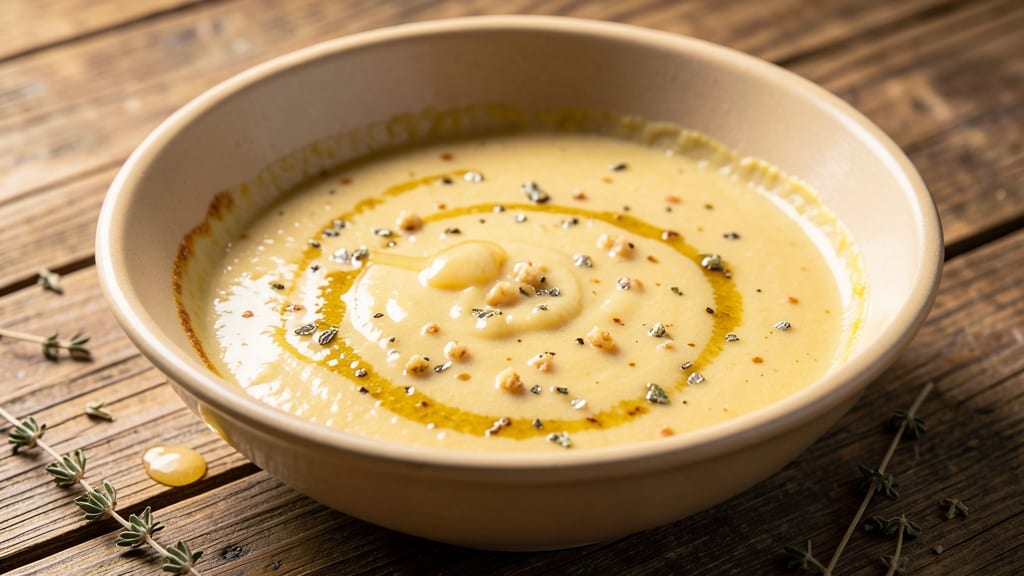
This basic mac and cheese sauce recipe delivers the velvety, cheesy foundation every comfort food lover needs—smooth enough for stovetop pasta, rich enough for baking, and foolproof enough for weeknight dinners. The secret lies in a proper roux (butter and flour cooked to perfection) that creates a stable base capable of handling generous amounts of cheese without breaking. I've tested this sauce countless times, and it never fails to deliver that signature creamy texture with just the right balance of tang and richness.
What sets this sauce apart is its versatility—it works with sharp cheddar for classic flavor or Gruyère for nutty depth, and the optional mustard powder adds just enough tang to prevent sweetness from overpowering.
The key technique is cooking the roux low and slow until it's golden but not browned, then gradually whisking in warm milk to create a silky emulsion before adding the cheese. This method ensures your sauce stays smooth and lump-free, even when you're tempted to rush.
By the time you're done, you'll have a sauce so creamy and flavorful it transforms ordinary pasta into something restaurant-quality. The best part? This sauce keeps well in the fridge for up to 5 days, making it perfect for meal prep or feeding a crowd.
Whether you're making stovetop mac and cheese or baking a casserole, this velvety base will be your new go-to.
The beauty of this recipe is its adaptability—use it as-is for classic cheddar flavor or experiment with smoked Gouda, pepper jack, or even a mix of cheeses for different profiles. The sauce works equally well as a topping for baked potatoes or as a dip for crusty bread.
Let's create this essential kitchen staple that will become the backbone of your comfort food repertoire.
Ingredients for basic mac and cheese sauce
Nine ingredients transform into the creamiest mac and cheese base ever—smooth, tangy, and foolproof.
| Ingredient | Amount | Notes |
|---|---|---|
| Unsalted Butter 🧈 | ½ cup | Cold, cubed for roux |
| All-Purpose Flour 🌾 | ½ cup | Sifted for smooth sauce |
| Sharp Cheddar Cheese 🧀 | 2 cups | Shredded, block preferred |
| Whole Milk 🥛 | 2 cups | Warm for smooth emulsion |
| Gruyère Cheese 🧀 | ½ cup | Shredded, nutty depth |
| Yellow Mustard 🟡 | 1 tbsp | Dijon or American style |
| Dry Mustard Powder 🌶️ | ½ tsp | For subtle tang |
| Salt 🧂 | 1 tsp | Kosher or sea salt |
| Black Pepper 🌶️ | ¼ tsp | Freshly ground preferred |
| Nutmeg 🌿 | ⅛ tsp | Freshly grated, optional |
The butter and flour start this sauce right. Cold butter cubes create a better roux than melted butter—it won't burn as easily. I grab Land O'Lakes unsalted butter from the grocery store because it's consistent, but any good-quality brand works. The flour? King Arthur all-purpose is my go-to for baking, but basic supermarket flour works fine. Just make sure it's sifted—lumps ruin the smooth texture. For the cheese, block cheddar shreds better than pre-shredded (which has anti-caking agents), and Gruyère adds that nutty depth that takes it from basic to gourmet.
No sharp cheddar? Pepper jack or smoked Gouda work great for different flavors. The mustard powder is non-negotiable—it cuts the sweetness of the cheese. If you're out, Dijon mustard at double the amount works in a pinch. The milk needs to be warm (about 160°F) when you add it to the roux—cold milk makes the sauce break. No thermometer? Just heat it until it's steaming but not boiling. And if you're wondering about the nutmeg? Skip it if you hate it, but it adds that classic mac and cheese aroma. Pre-shredded cheese? Don't even think about it—it's full of starch to prevent clumping.
This sauce keeps beautifully. Covered in the fridge for 5 days, or freeze for 3 months in airtight containers. I always make extra because it's perfect for meal prep—just reheat with a splash of milk to restore creaminess. For baking, add a beaten egg to thicken it. And if you're using it for stovetop pasta? Toss the cooked noodles directly in the pot—no need to strain. The sauce will cling perfectly to every strand.
Why You'll Love This Recipe
- No-Fuss Roux: I melt butter, whisk in flour, and let the magic happen—no fancy techniques, just a smooth, velvety base that takes five minutes. The Gruyère melts into that roux like it’s been waiting for it, and suddenly, you’ve got a sauce that tastes like a restaurant skipped town and left it behind.
- Cheese Love Bomb: Sharp cheddar and nutty Gruyère? That’s not just cheese—it’s a flavor explosion. The cheddar gives it that classic tang, while the Gruyère adds depth, and when they melt together? It’s the kind of rich, gooey goodness that makes you close your eyes and sigh.
- Weeknight Workhorse: This sauce turns pasta into a meal in 30 minutes flat. Toss it with noodles for dinner, slather it on toast for lunch, or use it to jazz up baked potatoes. It’s my go-to when I’m exhausted but still need to feed the family—no stress, just comfort.
- Budget-Friendly Luxury: A block of cheddar and a bag of flour stretch farther than you’d think. The milk and butter are pantry staples, and the Gruyère (if you splurge) makes it feel fancy without breaking the bank. Leftovers? Even better—it reheats like a dream and tastes just as good the next day.
Step-by-step instructions for basic mac and cheese sauce
Here's how to make the creamiest, most velvety mac and cheese base you've ever tasted.
Make the Perfect Roux
In a medium saucepan, melt the 0.5 cup unsalted butter over medium-low heat. Once fully melted, immediately whisk in the 0.5 cup all-purpose flour to create a smooth paste. This is your roux—the foundation of your sauce—and it needs constant stirring to prevent burning.
Cook the roux for 2-3 minutes until it turns a pale golden color and smells nutty. You're looking for a consistency similar to wet sand—it should hold its shape when pressed but still be smooth. If it darkens too quickly, reduce the heat slightly. This step is crucial; a well-made roux creates a silky sauce, while a burnt roux will make your cheese taste bitter.
Whisk in Warm Milk Gradually
Slowly pour in the 2 cups warm whole milk while whisking vigorously to prevent lumps from forming. The milk should be warm (about 110°F)—not hot, just slightly above room temperature. This helps the sauce emulsify smoothly and prevents curdling.
Continue whisking constantly over medium heat for 5-7 minutes until the mixture thickens enough to coat the back of a spoon. You'll notice the sauce transform from a thin liquid to a glossy, velvety consistency. If it thickens too quickly, add a splash of milk to loosen it. The goal is a smooth, pourable sauce that's still slightly loose—it will thicken further when the cheese is added.
Add Cheese and Seasonings
Lower the heat to low and gradually whisk in the 2 cups sharp cheddar cheese and 0.5 cup gruyère cheese in small batches. The cheese should melt completely, creating a rich, creamy texture. If you notice any lumps, strain the sauce through a fine-mesh sieve for an ultra-smooth finish.
Stir in the 1 tbsp yellow mustard, 0.5 tsp dry mustard powder, 1 tsp salt, 0.25 tsp black pepper, and 0.125 tsp nutmeg. Taste and adjust seasoning—this is your chance to balance the flavors. The mustard adds depth, the nutmeg gives warmth, and the pepper brings a little kick. The sauce should be rich but not overly salty, with a subtle tang from the mustard.
Simmer Until Silky Smooth
Return the sauce to a gentle simmer and cook for an additional 3-5 minutes, stirring frequently. This final step ensures all the cheese is fully melted and the flavors are fully integrated. The sauce should now coat a spoon thickly but still be pourable—it will thicken further as it cools.
For baked mac and cheese, you can use this sauce immediately. For stovetop mac and cheese, let it cool slightly before mixing with cooked pasta. The sauce should be glossy, velvety, and rich enough to cling beautifully to every strand of noodle. If it's too thick, whisk in a splash of warm milk to reach your desired consistency.
Pro Tips For Making Basic Mac And Cheese Sauce
- WHISK LOW AND SLOW: I learned this the hard way—dumping cold milk into hot butter-flour roux and ending up with lumps. Instead, temper the milk first by warming it slightly (just until tiny bubbles form at the edges), then whisk it into the butter-flour mixture gradually while stirring constantly. The goal is a smooth, silky sauce, not a science experiment.
- GRATE CHEESE FINE: Skip the food processor unless you want grainy mac and cheese. Sharp cheddar and Gruyère should be grated by hand on the smallest holes of a box grater—this ensures even melting and a velvety texture. (Yes, it takes 10 minutes, but your sauce will thank you.)
- SALT THE ROUX: Unsalted butter needs seasoning early. Add ½ teaspoon of salt to the butter-flour mixture before adding milk—this way, it dissolves fully into the sauce. Trust me, you’ll taste the difference when the cheese comes in later.
- STIR CONSTANTLY AFTER CHEESE: The moment you add grated cheese, your sauce will look like it’s rebelling. Keep stirring vigorously over low heat until it’s fully melted and glossy—about 3-4 minutes. Walk away if you have to, but don’t let it sit. (This is the step where most people give up and regret it.)
Essential equipment for perfect results
Roux Mastery Tools
Your roux is the foundation of this sauce, so invest in quality tools to make it perfect. A heavy-bottomed saucepan—like the All-Clad Stainless Steel Saucepan—prevents burning and ensures even heat distribution.
I also recommend a whisk with a long handle (like OXO Good Grips) to stir vigorously without splashing. For precise temperature control, a thermometer (such as Thermoworks Thermapen) helps monitor the milk’s warmth—110°F is ideal for smooth emulsification. 🌡️
Cheese Handling Gear
Shredding cheese properly is key to avoiding lumps. A box grater (like Microplane) gives you uniform shreds, while a food processor with a shredding blade (such as Cuisinart) speeds up the process.
For ultra-smooth results, strain the melted cheese through a fine-mesh sieve—I love the OXO Good Grips Strainer. Pre-shredded cheese? Skip it entirely—it’s full of anti-caking agents that make your sauce grainy.
Temperature Control Essentials
Consistent heat is everything when making this sauce. A kitchen scale (like Escali Primo) ensures accurate measurements for the roux and cheese. For monitoring the sauce’s thickness, a spoon with a long handle (such as Demeyere) lets you easily check the consistency without burning yourself.
If you’re baking with this sauce later, a thermometer (like Thermoworks Smoke) helps track the internal temperature of your casserole—350°F is perfect for baking.
Storage and Reheating Supplies
This sauce keeps beautifully, so store it in airtight containers—I prefer glass Pyrex for fridge storage or silicone molds for freezing. For reheating, a double boiler (or a heatproof bowl over a saucepan) gently warms the sauce without scorching it.
If you’re reheating on the stovetop, a wooden spoon helps stir evenly, while a ladle makes it easy to portion out for quick meals. Always reheat with a splash of warm milk to restore creaminess. ❄️
Optional Upgrades
Want to take your sauce to the next level? A high-speed blender (like Vitamix) can turn any lumps into silky smoothness if needed. For extra richness, a cheese melter (such as Oster) ensures all the cheese melts evenly.
If you’re making this sauce frequently, a slow cooker (like Instant Pot) can keep it warm for hours—just set it to warm mode and stir occasionally to prevent skin formation.
Nutrition facts
Frequently asked questions
Can I make this sauce without a roux?
A roux is essential for creating that signature creamy, velvety texture. However, if you're in a hurry, you can use a 2 tbsp cornstarch slurry (mixed with 2 tbsp cold milk) instead. Whisk it into the warm milk before adding cheese, but the sauce won't be as rich or stable as a proper roux. For baked dishes, the roux method is non-negotiable.
Why did my sauce get grainy?
Graininess usually happens when cheese melts unevenly or the sauce cools too quickly. Always add cheese gradually over low heat and whisk constantly. If lumps appear, strain the sauce through a fine-mesh sieve or blend briefly with an immersion blender. Using pre-shredded cheese is another common culprit—it contains anti-caking agents that prevent smooth melting.
Can I substitute cream for milk?
Yes, but adjust the ratio. Heavy cream adds richness, so use 1 cup whole milk + 1 cup heavy cream instead of just milk. For a lighter version, try half-and-half. Remember, cream has more fat, so your sauce will be thicker and richer. If using only cream, thin with a splash of warm milk to reach the right consistency.
How do I make this sauce spicier?
Add ½ tsp smoked paprika or ¼ tsp cayenne pepper while the cheese melts. For a smoky kick, stir in 1 tbsp chipotle powder or a dash of hot sauce. If you love heat, try pepper jack cheese instead of cheddar—it's naturally spicier. Always taste as you go to balance the flavors.
Can I make this sauce ahead of time?
This sauce keeps well in the fridge for 5 days in an airtight container. For longer storage, freeze it for up to 3 months. To reheat, warm it gently on the stovetop with a splash of warm milk or water to restore creaminess. Never microwave directly—it can make the sauce separate.