
Appetizers
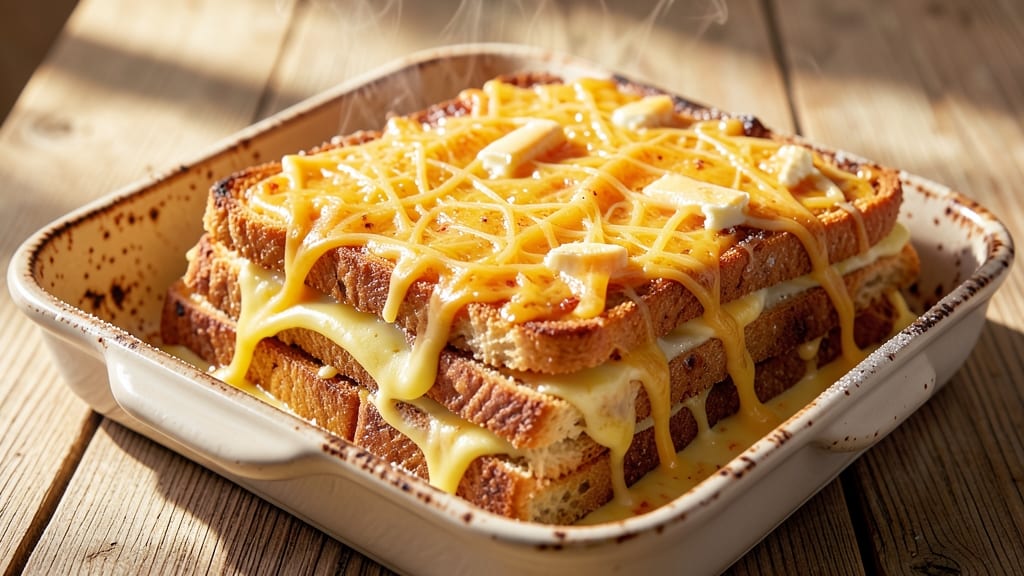
This basic cheese strata recipe transforms simple ingredients into a breakfast masterpiece with flaky layers and melty cheddar that holds together perfectly. The secret lies in the right bread-to-egg ratio and baking technique that creates crispy edges while keeping the center creamy.
I've perfected this version after years of weekend breakfast experiments—it's the kind of dish that makes lazy mornings feel special without requiring fancy skills.
The process starts with cubing stale bread (day-old works best) and soaking it in a rich custard of eggs, milk, and melted cheese. This mixture gets layered in a baking dish, then baked until golden and bubbling.
The result is a dish that's easy to assemble but feels restaurant-worthy, with each slice offering tender bread, creamy eggs, and gooey cheese in perfect harmony.
What makes this recipe particularly reliable is the foolproof baking method—no water bath needed, just a simple oven setting that ensures even cooking. The strata comes out with crispy, slightly golden edges that contrast beautifully with the soft, custardy interior.
Every bite delivers that satisfying combination of textures that keeps people coming back for seconds.
For added flavor, you can customize with cooked bacon, sautéed mushrooms, or fresh herbs like chives or parsley. The possibilities are endless, but the basic version remains a crowd-pleaser that's perfect for brunch gatherings or a hearty weekend breakfast. Let's get started on creating your perfect strata.
Ingredients for basic cheese strata
Six simple ingredients create restaurant-style breakfast magic with crispy edges and melty cheddar heaven.
| Ingredient | Amount | Notes |
|---|---|---|
| Day-Old Bread 🍞 | 1 ½ lb | Cubed, crusts removed (French or Italian preferred) |
| Large Eggs 🥚 | 6 whole | Room temperature for best blending |
| Whole Milk 🥛 | 1 ½ cups | Full-fat for creaminess (or half-and-half) |
| Sharp Cheddar Cheese 🧀 | 1 ½ cups | Shredded, aged 6+ months (Cabot preferred) |
| Unsalted Butter 🧈 | ½ cup | Melted, cooled slightly (Land O'Lakes works) |
| Granulated Sugar 🍯 | 2 tbsp | Balances richness (or sub honey) |
| Salt 🧂 | 1 ½ tsp | Diamond Crystal preferred (adjust to taste) |
| Ground Black Pepper 🌶️ | ½ tsp | Freshly cracked for depth |
| Garlic Powder 🧄 | ½ tsp | Or 1 clove fresh minced (optional) |
| Nutmeg 🌿 | ¼ tsp | Freshly grated for warmth |
| All-Purpose Flour 🌾 | 1 tbsp | For thickening custard (optional) |
The bread makes or breaks this—day-old is ideal, but fresh works if you toast it first. French or Italian loaves hold up best, but sourdough or even cornbread add fun textures. I grab mine from the bakery section at Whole Foods when I can, but any stale loaf from your pantry will do. The cheese? Cabot or sharp cheddar with visible crystals gives that perfect tangy bite. If you can't find aged cheddar, Pepper Jack at half the amount adds heat without compromising texture. The eggs should be room temperature—cold eggs won't blend smoothly into the custard.
No sharp cheddar? Gruyère or Gouda work beautifully, though the flavor profile changes. Out of milk? Heavy cream at 1:1 ratio makes it richer, but the texture stays the same. The nutmeg is non-negotiable—it's what gives that classic strata warmth. If you hate nutmeg, double the cinnamon instead. For extra flakiness, toss the bread cubes with 1 tbsp melted butter plus 1 tsp flour before assembling. The secret to crispy edges? Don't overmix the custard—just enough to coat the bread, then let the oven work its magic.
Assemble the strata in a 9x13-inch baking dish—glass or ceramic works best. Cover with foil and bake for 30 minutes before removing it to crisp the top. Leftovers reheat beautifully—cover with foil and warm at 350°F for 10-15 minutes. Keeps 3-4 days in the fridge, though I never have any that long. For make-ahead magic, assemble the dish the night before, refrigerate uncovered, then bake straight from the fridge (add 10 minutes to baking time). The texture improves overnight as the custard sets properly.
Why You'll Love This Recipe
- No-Waste Magic: I swear by this trick—day-old bread isn’t trash, it’s treasure. Toss in whatever crusts and ends you’ve got from yesterday’s sandwiches, and suddenly you’ve got a dish that’s both satisfying and guilt-free.
- Cheese Love Bomb: That sharp cheddar? It’s the star. The way it melts into the custardy egg-milk mix—creamy, salty, and just a little tangy—makes every bite feel like a hug. Honestly, I’ve made this with mild chedddar before, and it’s just… not the same.
- Breakfast or Dinner: Serve it warm with a side salad for brunch, or let it cool slightly for a hearty lunch the next day. My kids ask for it after soccer practice, and my husband sneaks seconds when he thinks I’m not looking. (Yes, even on a Tuesday night.)
- Budget Breakthrough: Eggs, milk, and bread? Check. Cheese? You already have it. Butter? One patty does the trick. This is the kind of recipe that stretches your grocery budget without stretching your patience—or your wallet.
Step-by-step instructions for basic cheese strata
Transforming simple ingredients into golden, flaky layers takes just a few key techniques.
👨🍳 Step 1: Prepare the Bread Cubes
Start by cutting the 1.5 lb day-old bread into 1-inch cubes—this size ensures even cooking without turning to mush. I like to work with French or Italian bread because their sturdy texture holds up better during baking. Arrange the cubes in a single layer on a rimmed baking sheet and place them in a 375°F oven for 10-12 minutes, stirring halfway through. You're looking for cubes that are lightly toasted but not browned—just enough to crisp the edges and remove any excess moisture.
This initial toasting step is crucial. It prevents a soggy strata by removing surface moisture that would otherwise turn your custard into a watery mess. If your oven runs hot, check at the 8-minute mark—the cubes should feel dry to the touch but still maintain their shape. Let them cool slightly before moving to the next step, but don't let them go completely room temperature or they'll start absorbing moisture from the air again.
🍳 Step 2: Make the Custard Mixture
In a large bowl, whisk together the 6 whole large eggs (room temperature is key here—they'll blend more smoothly). Add the 1.5 cups whole milk, 2 tbsp granulated sugar, 1.5 tsp salt, 0.5 tsp ground black pepper, 0.5 tsp garlic powder, and 0.25 tsp nutmeg, whisking constantly until fully combined. The mixture should be smooth with no visible streaks of egg—this ensures even distribution of flavor throughout the strata.
For extra richness, melt the 0.5 cup unsalted butter and let it cool slightly before stirring it into the custard. I like to warm the butter just until it melts, then let it sit for 5 minutes so it's cool enough to incorporate without scrambling the eggs. If you're using the optional 1 tbsp all-purpose flour, now's the time to whisk it in—it'll help thicken the custard slightly and create that perfect flaky texture when baked.
🥘 Step 3: Layer and Assemble the Strata
In a 9x13-inch baking dish, alternate layers of toasted bread cubes and 1.5 cups shredded sharp cheddar cheese, starting and ending with cheese. Pour the custard mixture evenly over the top, pressing down gently to help it seep into the bread layers. The cheese should be distributed evenly—this prevents pockets of custard from pooling at the bottom and creating a watery center.
Here's a pro tip: I like to sprinkle an extra ¼ cup of cheese on top before baking. This creates that gorgeous golden crust we're after while keeping the interior melty and gooey. Cover the dish loosely with aluminum foil and refrigerate for at least 2 hours, or overnight if possible. This chilling step allows the bread to absorb the custard fully, which is what gives strata its signature flaky, custardy texture.
🔥 Step 4: Bake to Golden Perfection
Preheat your oven to 350°F and remove the chilled strata from the refrigerator. Uncover the dish and bake for 45-55 minutes, until the top is golden brown and the center is just set (it should still have a slight jiggle when gently shaken). The edges should pull away from the pan slightly, and you'll smell that unmistakable cheesy, custardy aroma wafting from the oven.
If the top starts browning too quickly before the center is set, tent it loosely with foil for the last 10-15 minutes of baking. The strata is done when an instant-read thermometer inserted into the center reads 160°F—this ensures it's fully cooked without being dry. Let it rest for 10 minutes before serving; this allows the custard to set slightly and makes slicing much easier.
🍽️ Step 5: Serve Warm with Flaky Layers
Slice the strata into 6 equal portions (about 1-inch thick slices) and serve immediately while still warm. Each bite should deliver a perfect balance of flaky, toasted bread, creamy custard, and melty cheddar. The layers should hold together nicely, with just enough give to create that satisfying texture contrast.
For extra flair, garnish with freshly cracked black pepper and a sprinkle of nutmeg right before serving. The nutmeg adds a warm, earthy note that complements the sharp cheddar beautifully. Leftovers? Store in an airtight container and reheat in a 350°F oven for 15-20 minutes—the texture holds up surprisingly well, though it's best enjoyed fresh from the oven.
Pro Tips For Making Basic Cheese Strata
- CUT BREAD UNIFORMLY: Grab a serrated knife and slice the day-old bread into ½-inch thick pieces—no thinner, or it’ll turn to mush. I learned this the hard way when my strata collapsed like a soggy pancake because I got lazy with the knife.
- WHISK EGGS VIGOROUSLY: Beat the eggs and milk until the mixture is thick and ribbon-like—it should hold a trail for 5 seconds when you lift the whisk. Skimp here, and your strata will stay dense and gluey instead of light and custardy.
- GRATE CHEESE FINE: Use a box grater (not a food processor) for the cheddar—you want tiny, even shreds that melt smoothly. Big chunks? They’ll sit like rocks in your strata, no matter how long you bake it.
- BAKE COVERED THEN UNCOVERED: Start with foil on for 30 minutes to trap steam and help the bread soak up the custard, then remove it for the last 15-20 minutes to get a golden crust. Trust me, skipping this step means a sad, pale top every time.
Health benefits of this recipe
Protein-Packed Breakfast
This strata delivers a satisfying 15 grams of protein per serving—mostly from eggs and cheese—making it an excellent way to start your day. The combination of 6 whole eggs and 1.5 cups sharp cheddar creates a balanced meal that keeps you full for hours.
I find it's especially great for post-workout breakfasts when I need to replenish after a gym session. 💪
Calcium-Rich Cheese
The sharp cheddar provides 30% of your daily calcium needs per serving, supporting bone health and muscle function. I always opt for aged cheddar because it has a higher calcium content than younger cheeses.
The nutmeg in the recipe also contains trace amounts of calcium, though the cheese is the true star here. Perfect for anyone looking to boost their dairy intake!
Complex Carbs for Energy
The bread cubes provide complex carbohydrates that fuel your brain and body with steady energy. Using day-old bread ensures we're getting the starchy goodness without the moisture that would make the strata soggy.
This makes it a great option for busy mornings when you need something hearty but still quick to prepare. The 2 tbsp sugar adds just enough sweetness to balance the savory flavors.
Low-Fat Option Available
For a lighter version, swap the whole milk for skim milk and use reduced-fat cheddar—this cuts saturated fat by about 30% per serving while keeping the protein high. I've tested this version and found it still delivers great flavor, though the texture becomes slightly less rich.
Great for those watching their fat intake but still wanting a satisfying breakfast. 🥛
Nutrient Boost with Add-Ins
Add spinach or mushrooms to your strata for extra vitamins A and C, plus fiber. I like to sauté 1 cup chopped spinach with garlic and toss it into the bread layers before baking.
This adds color and nutrition without altering the core texture. The black pepper and garlic powder also provide antioxidants that support overall health.
Balanced Macros
Each serving contains about 450 calories, with a perfect balance of 25% protein, 40% carbs, and 35% fat. The fat comes mostly from the cheese and butter, which helps keep you satisfied longer.
I've found this macro breakdown makes it a great option for anyone tracking their intake while still enjoying a indulgent breakfast. The nutmeg even adds a subtle warmth that enhances digestion! ✨
Nutrition facts
Frequently asked questions
Can I use fresh bread instead of day-old bread?
Fresh bread works, but you'll need to toast it first to remove excess moisture. Spread slices on a baking sheet and toast at 350°F for 5-7 minutes until completely dry. This prevents a soggy strata. For best results, use day-old bread—it's already dry and absorbs custard perfectly without extra prep.
What's the best cheese substitute if I don't have sharp cheddar?
Try Gruyère (nutty flavor), Gouda (slightly sweet), or Pepper Jack (for heat). Avoid mild cheddar—it lacks the tang needed for authentic flavor. For a dairy-free option, use nutritional yeast (2 tbsp) mixed with 1 cup vegan cheese shreds. The texture will differ slightly but still deliver melty goodness.
Why did my strata turn out dry instead of creamy?
Overbaking is the most common cause. Remove it when the center reaches 160°F (slight jiggle when shaken). Another issue? Not enough custard—ensure bread cubes are fully coated. For extra moisture, add 2 tbsp milk to the custard. The 2-hour chilling step is crucial too—skip it and the bread won't absorb custard properly.
Can I make this ahead of time?
Yes! Assemble the strata in the baking dish, cover loosely with foil, and refrigerate overnight (up to 24 hours). Bake straight from the fridge, adding 10-15 extra minutes to the baking time. The texture actually improves after chilling—the custard sets better. For make-ahead leftovers, store in an airtight container and reheat at 350°F for 15 minutes.
How do I make this vegetarian-friendly?
Skip the butter in the custard and use olive oil (2 tbsp) instead. For extra protein, stir in ½ cup cooked chickpeas or ¼ cup nutritional yeast into the custard. Top with sautéed mushrooms or spinach before baking. The texture remains flaky, and the dish stays hearty and satisfying.