
Appetizers
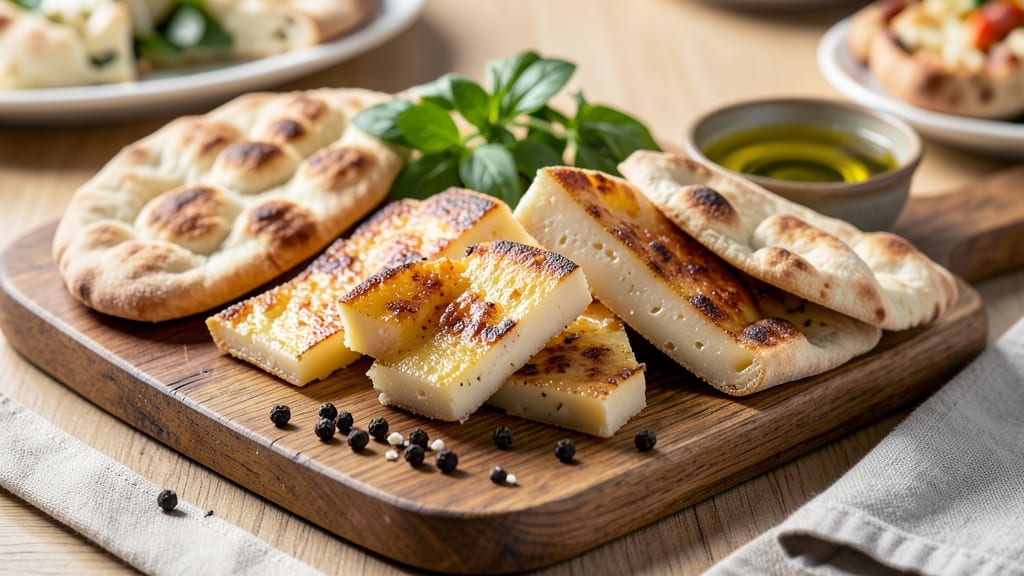
A crispy top and melty streaks of Baladi cheese transform simple ingredients into Egyptian street-food magic. This one-pan recipe delivers restaurant-quality results with minimal effort—no fancy techniques required.
The secret lies in the cheese's unique texture: firm enough to hold shape when fried, yet creamy enough to melt into golden, stretchy perfection when sliced. What sets this dish apart is the balance of heat and timing.
We'll pan-fry thick slices of Baladi cheese until the edges develop a satisfying crunch, then finish them quickly to trap the molten center. The result? A dish that's crispy on the outside, gooey inside, and impossible to resist.
This method preserves the cheese's signature nutty flavor while creating that coveted contrast in every bite. Serve these golden skewers with warm flatbread for dipping or alongside a simple cucumber-tomato salad to cut through the richness.
The crispy exterior gives way to molten cheese that stretches dramatically when cut—an experience that always impresses guests. The best part? This recipe comes together in under 20 minutes with just five ingredients. For an authentic Egyptian touch, pair with pickled vegetables or spicy harissa sauce.
The contrast of cool pickles against the warm, melty cheese creates a flavor balance that's both comforting and exciting. Let's create this crowd-pleasing dish that tastes like a trip to Cairo.
Ingredients for baladi cheese
Five ingredients. One pan. Egyptian street food magic in your kitchen.
| Ingredient | Amount | Notes |
|---|---|---|
| Baladi Cheese 🧀 | 1 ½ lb | Thick slices cut evenly |
| Vegetable Oil 🫒 | ½ cup | High smoke point preferred |
| Salt 🧂 | ½ tsp | Kosher or sea salt |
| Black Pepper 🌶️ | ¼ tsp | Freshly ground preferred |
| Flatbread 🍞 | 4 whole | Warm for serving |
Baladi cheese is the star—look for the firm, nutty variety with a clean, slightly crumbly texture. Middle Eastern markets or specialty cheese shops carry the real deal, but if you can't find it, Pecorino Romano or Asiago work in a pinch. The cheese should be cold when you start slicing—30 minutes in the fridge ensures even frying. Cut slices about 1/2-inch thick for perfect crisp-melt contrast. If your store doesn't carry Baladi, aged Gouda has a similar texture.
No Baladi? Pecorino or aged Gouda are your best substitutes—they hold shape when fried and melt beautifully. The oil matters here: vegetable or canola oil has the right smoke point, but avocado oil adds subtle richness. For extra authenticity, sprinkle a pinch of sumac on the finished skewers. Flatbread? Any warm bread works—pita, naan, or even crusty sourdough. If you want to get fancy, toast the flatbread with a little garlic butter before serving. The cheese should be at room temperature when frying for even cooking.
This dish reheats beautifully—5 minutes in a 350°F oven revives the crispy exterior. Store leftovers in an airtight container with parchment paper between layers to prevent sticking. Keeps 3-4 days in the fridge, though it's best enjoyed fresh. For a party, double the recipe—these disappear fast. The crispy cheese skewers also freeze well: cool completely, then freeze on a tray before transferring to a bag. Reheat straight from frozen for 3-4 minutes in the oven.
Why You'll Love This Recipe
- I’ll be real: baladi cheese is cheap, and it stretches far. A single block feeds my family for days—leftover cheese gets repurposed in salads, sandwiches, or even scrambled eggs the next morning. Plus, flatbread? You can buy it pre-made or whip up a batch in 10 minutes. Minimal cost, maximum satisfaction.
- Five-Ingredient Magic: I swear, this recipe is the kind of thing you’ll make just to prove it works—and then keep making because it does. Baladi cheese, oil, salt, pepper, and flatbread? That’s it. No fancy prep, no hidden steps, just melt-in-your-mouth goodness with zero fuss.
- Salty-Savory Crunch: Here’s what sold me—the way the salty, tangy baladi cheese caramelizes just enough when fried, then gets that perfect crispy edge while staying creamy inside. Add a sprinkle of black pepper? Instant flavor upgrade. It’s the kind of dish that makes you go, “Why didn’t I think of this sooner?”
- Flatbread Flex: Between us, this recipe is my go-to for lazy Sundays, last-minute dinner guests, or when I’m too tired to plan. Fry the cheese, wrap it in warm flatbread, and boom—you’ve got a handheld meal that feels fancy but takes less time than ordering takeout. (Yes, even on a Tuesday night.)
Step-by-step instructions for crispy Baladi cheese flatbread
Transform simple ingredients into a golden, crispy masterpiece with perfectly melty cheese.
Prep the Baladi Cheese for Maximum Crisp
Begin by cutting the 1.5 lb Baladi Cheese into ¼-inch thick slices—this thickness ensures even browning and crispiness. I use a sharp chef's knife and cut against the grain for clean slices. Arrange the cheese slices on a cutting board in a single layer, leaving about ½-inch gaps between each piece. This spacing prevents them from sticking together during cooking.
Season each slice generously with ½ teaspoon Salt and ¼ teaspoon Black Pepper, pressing the spices into the cheese so they adhere. The salt enhances the natural flavor of the Baladi while the pepper adds a subtle warmth that complements the crispy texture. Let the seasoned cheese sit at room temperature for 10 minutes—this helps the spices meld and ensures even cooking later.
Heat the Oil for the Perfect Sear
Place a large skillet over medium heat and add the ½ cup Vegetable Oil. Heat the oil until it shimmers gently—this should take about 3-4 minutes. The oil is ready when a wooden chopstick inserted into the pan sizzles audibly. Too-hot oil burns the cheese; too-cool oil results in greasy, uncrispy slices. I like to test the oil by dropping a small piece of cheese into it—if it sizzles immediately and floats, the oil is at the right temperature.
Once the oil is hot, carefully add the seasoned Baladi cheese slices in a single layer. Avoid overcrowding the pan—this ensures each slice gets enough contact with the oil for that golden crust. Cook for 2-3 minutes per side, pressing down gently with a spatula during the first minute to prevent curling. You'll know they're ready when the edges turn deep golden brown and the cheese begins to soften slightly in the center.
Warm the Flatbread to Perfection
While the cheese cooks, prepare the 4 whole Flatbread by warming them in a dry skillet over medium-low heat for 1-2 minutes per side. The flatbread should be pliable and slightly toasted—just warm enough to hold its shape without becoming crispy. If using a grill or oven, heat for 3-4 minutes until golden and fragrant. Warm flatbread is essential; cold flatbread makes the cheese taste bland and the dish feel incomplete.
Transfer the cooked Baladi cheese slices to a paper towel-lined plate to drain excess oil. The cheese should be crispy on the outside with soft, melty streaks inside—this contrast is what makes this dish special. If any slices aren't perfectly golden, return them to the skillet for another 30 seconds to finish browning. The cheese will continue to crisp as it cools slightly, so don't overcook it.
Assemble and Serve Immediately
To serve, place one warm flatbread on each plate and top with one slice of Baladi cheese. The contrast of the crispy cheese against the soft flatbread is what makes this dish unforgettable. For extra flavor, drizzle any remaining oil from the skillet over the top—this adds a rich, savory note that ties everything together. Serve immediately while the cheese is still warm and melty, as it loses its texture quickly once cooled.
Each bite should deliver a perfect balance: crispy, salty cheese that gives way to creamy, pepper-infused melty goodness with every chew. The flatbread provides the ideal vehicle for soaking up any residual cheese and oil, making every mouthful satisfying. Pair with a simple cucumber salad or fresh herbs to balance the richness.
Pro Tips For Making Baladi Cheese
- CRACK THE CHEESE FIRST: Baladi cheese is hard when cold—soak the block in warm water for 10 minutes before slicing. This makes it easier to cut into even strips and prevents the oil from turning into a greasy mess when you fry it.
- SALT THE OIL: Add a pinch of salt to the hot oil before frying the cheese. It seasons the cheese as it cooks and stops it from absorbing oil like a sponge—your flatbread will thank you later.
- DON’T OVERCROWDLE THE PAN: Fry the cheese in small batches or you’ll end up with soggy, unevenly cooked strips. A crowded pan steams instead of crisps, and nobody wants mushy baladi cheese.
- USE LEFTOVER FLATBREAD: Skip the store-bought flatbread and toast old naan or pita in the same oil after frying the cheese. The residual flavor from the cheese makes it taste like you slaved over it—and saves you a trip to the store.
Common mistakes when making great baladi cheese
Cheese Too Thick
Thick slices of Baladi cheese won't crisp properly—they'll stay soft and greasy inside. I've learned the hard way that ¼-inch slices are ideal, but if your cheese is extra firm, cut it ⅛-inch thick instead.
Thinner slices cook faster and develop that perfect crispy exterior while keeping the center melty. Use a sharp knife and cut against the grain for even slices every time. 🌟
Oil Temperature Issues
Too-hot oil burns the cheese edges before the center melts, while too-cool oil makes it soggy. Test the oil by dropping a small cheese piece—it should sizzle immediately and float. I aim for 350°F using a thermometer.
If your oil isn't hot enough, the cheese will absorb oil instead of crisping. For a foolproof method, heat the oil until a wooden chopstick inserted briefly sizzles loudly.
Overcrowding the Pan
Piling cheese slices too close together steals heat and steam, leading to uneven cooking. Cook in batches if needed—your pan should only hold 2-3 slices at a time for proper browning. I use a 10-inch cast iron skillet for this recipe, which comfortably fits 4 slices at once.
Overcrowding also causes the cheese to steam instead of crisp, ruining that perfect texture contrast.
Skipping the Rest Time
Baladi cheese needs 5-10 minutes at room temperature before cooking. Cold cheese cooks unevenly and may crack. I place my seasoned slices on a wire rack over a bowl to let air circulate.
This also helps the spices adhere better. Skipping this step often results in cheese that's undercooked in the center or over-browned on the outside.
Using Wrong Substitutes
Not all cheeses behave like Baladi when fried. Mozzarella melts too easily without crisping, while cheddar becomes rubbery. For substitutes, stick with aged Gouda or Pecorino Romano—they hold shape when fried and melt beautifully.
Even texture is key: look for cheeses with a firm, slightly crumbly consistency similar to Baladi.
Letting Cheese Cool Too Long
Freshly fried Baladi cheese loses its crispy texture within 10-15 minutes as it cools. I serve mine immediately on warm flatbread to maintain that perfect contrast. If you must hold them, keep the cheese in a 200°F oven on a wire rack until serving.
The oven maintains the crispy exterior while keeping the cheese warm and melty inside.
Nutrition facts
Frequently asked questions
What makes Baladi cheese perfect for frying?
Baladi cheese has a unique firm yet slightly crumbly texture that holds its shape when fried while still melting beautifully inside. Its nutty flavor also stays intact during cooking, unlike softer cheeses that lose their structure. The key is its medium moisture content—not too dry like Parmesan, not too wet like mozzarella.
Can I make this recipe without a skillet?
Yes! Use an oven method instead: brush ¼-inch thick cheese slices with oil, sprinkle with salt and pepper, then bake on a wire rack at 425°F for 8-10 minutes until golden. The oven creates crispy edges without needing oil immersion. For extra crispiness, broil for 1-2 minutes at the end.
How do I store leftover crispy Baladi cheese?
Store in an airtight container between layers of parchment paper to prevent sticking. Keeps 3-4 days in the fridge, but reheat carefully: 5 minutes at 350°F on a wire rack (not stacked) to restore crispiness. For longer storage, freeze on a tray first, then transfer to a bag for up to 2 months. Thaw overnight in the fridge.
What's the best way to serve this beyond flatbread?
Try these serving ideas:
- Skewers with cherry tomatoes and basil for a Caprese twist,
- Salad topping over mixed greens with balsamic glaze, or
- Sandwiches in crusty bread with caramelized onions. For authenticity, serve with pickled vegetables or spicy harissa sauce to cut through the richness.
Why does my Baladi cheese turn rubbery?
Rubbery texture usually means overcooking or wrong oil temperature. Keep oil at 350°F and cook for 2-3 minutes per side max. If using substitutes like Gouda, cut slices ⅛-inch thick—they crisp faster. Always test oil by dropping a small cheese piece—it should sizzle immediately and float without burning.