
Desserts
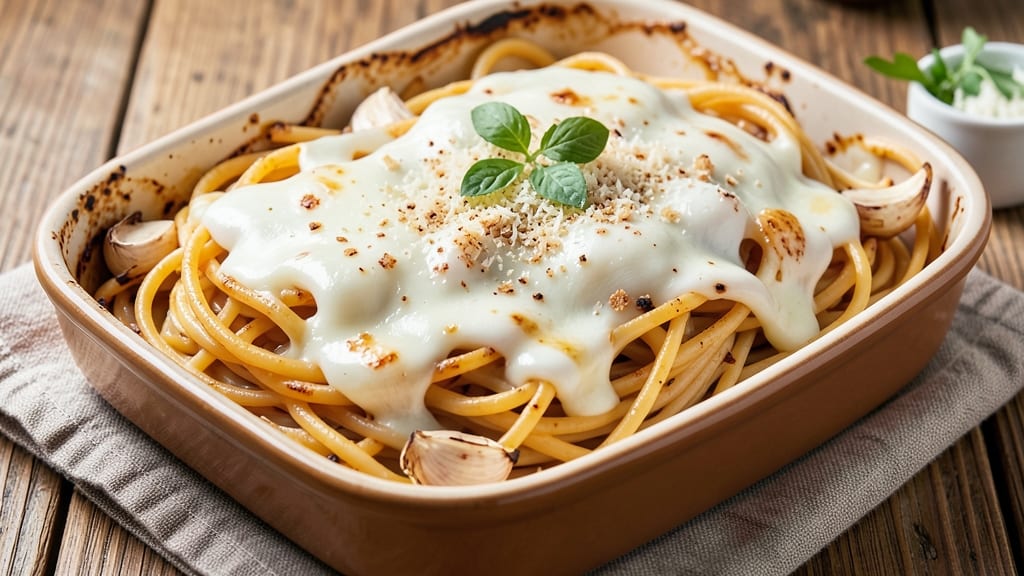
Baked spaghetti with cream cheese and sour cream transforms ordinary pasta into a decadent, triple-layered masterpiece that rivals any restaurant dish. The secret lies in balancing creamy textures with a golden, crispy cheese topping—no one will guess it's made with simple pantry staples. I developed this recipe after years of experimenting with casseroles, and the difference between this version and others? A foolproof method that guarantees tender pasta, rich sauce, and that perfect cheesy crust.
What sets this apart is the technique: al dente spaghetti layered with a velvety cream cheese-sour cream mixture, then topped with melted mozzarella for maximum crunch.
The oven temperature—375°F—creates the ideal balance between creamy centers and crispy edges, while 30 minutes of baking ensures everything cooks through without drying out. The result? A dish so rich and satisfying, it disappears faster than you can say "seconds, please."
Each bite delivers a symphony of textures: tender pasta, creamy sauce, and a crispy cheese topping that holds its shape. The sour cream adds tanginess to cut through the richness, while the cream cheese ensures the sauce stays luscious.
This isn’t just comfort food—it’s a showstopper that impresses even when serving a crowd. The best part? Leftovers reheat beautifully, making it perfect for meal prep.
For an extra touch of elegance, sprinkle fresh herbs or red pepper flakes before baking. Serve with a crisp green salad to balance the richness, and prepare to receive compliments that’ll make this your new go-to recipe. Let’s get baking!
Ingredients for baked spaghetti recipe with cream cheese and sour cream
These rich, creamy ingredients transform simple spaghetti into a triple-layered masterpiece with crispy cheese crunch.
| Ingredient | Amount | Notes |
|---|---|---|
| Spaghetti 🍝 | 12 oz | Al dente pasta, uncooked |
| Cream Cheese 🧀 | 8 oz | Full-fat, room temperature |
| Sour Cream 🥛 | 1 cup | Full-fat for richness |
| Mozzarella Cheese 🧀 | 2 cups | Fresh, shredded or sliced |
| Parmesan Cheese 🧀 | ½ cup | Freshly grated, vibrant color |
| Garlic Cloves 🧄 | 4 cloves | Minced for aromatic depth |
| Yellow Onion 🧅 | 1 whole | Medium size, finely chopped |
| Olive Oil 🫒 | ¼ cup | Extra-virgin for richness |
| Ground Black Pepper 🌶️ | ½ tsp | Freshly cracked for intensity |
| Salt 🧂 | 1 ½ tsp | Diamond Crystal preferred |
| Fresh Basil Leaves 🌿 | ¼ cup | Chopped for garnish (optional) |
| Red Pepper Flakes 🌶️ | ½ tsp | Adjust for heat preference |
| Heavy Cream 🥛 | ½ cup | For extra creaminess (optional) |
The cream cheese and sour cream are the heart of this dish—full-fat versions make all the difference. Philadelphia brand is my go-to for cream cheese, but any good-quality brand works. For sour cream, Kroger's organic or Trader Joe's are my top picks—they're tangy enough to cut through the richness. The mozzarella? Fresh, shredded mozzarella (not the pre-shredded kind) melts beautifully and creates that perfect crispy crust. If you're using block mozzarella, shred it yourself—it's worth the extra minute. The Parmesan should be freshly grated—pre-grated loses its flavor fast. For the garlic and onion, freshly chopped is key, but if you're short on time, jarred minced garlic works in a pinch.
No heavy cream? Half-and-half or whole milk can stretch the richness, though the texture will be slightly lighter. Out of mozzarella? Fontina or provolone melt beautifully as substitutes. The basil and red pepper flakes are optional but add serious flavor—fresh basil if you've got it, dried oregano if not. For the pasta, al dente is non-negotiable—it should have a slight bite. If you're using dried pasta, cook it one minute less than package instructions and toss with olive oil to prevent sticking. The olive oil matters here too—use extra-virgin for that fruity depth. And if you're feeling fancy, toast the garlic and onion in the olive oil before mixing—it adds a whole new layer of flavor.
This casserole is a make-ahead dream—assemble it the night before and bake straight from the fridge for 45 minutes instead of 30. The flavors meld beautifully overnight. For storage, cover tightly and keep in the fridge for up to 4 days. Reheat covered at 350°F for 20 minutes—it's even better the second time around. Freezes beautifully too—portion into individual servings before freezing for 3 months. When reheating from frozen, add 10-15 minutes to the baking time. And if you're feeding a crowd, double the recipe—it's that good.
Why You'll Love This Recipe
- One-Pan Magic: I swear by this recipe when I’m too tired to wash dishes. You boil the spaghetti, mix it with cream cheese and sour cream, dump it in a baking dish, top it with mozzarella and parmesan, and boom—30 minutes later, you’ve got a meal that feels fancy without the cleanup.
- Creamy Comfort Bomb: That creamy, tangy combo of sour cream and cream cheese? It’s like a hug in a baking dish. The mozzarella melts into gooey perfection while the parmesan adds that salty crunch—every bite tastes like a cheesy reward.
- Lunchbox Hero: Between us, this is my go-to for meal prep. I make a big batch on Sunday, portion it into containers, and it reheats like a dream all week. My kids actually eat their veggies when I sneak them in (yes, even on a Tuesday night).
- Budget Cheat Code: Honestly, this recipe is my secret weapon for stretching groceries. Spaghetti and cheese are cheap, but they feel like a splurge. A single baking dish feeds four for under $10—and leftovers? They’re even better the next day.
Step-by-step instructions for triple-layered baked spaghetti
This method delivers a creamy, bubbly masterpiece with perfect texture every time.
Cook the Spaghetti to Al Dente Perfection
Bring a large pot of water to a rolling boil and add 1.5 teaspoons salt. Toss in the 12 oz spaghetti and cook until it's 1 minute shy of the package directions for al dente. You want it firm enough to hold its shape when baked, but still tender enough to melt into the creamy layers.
Before draining, reserve 1 cup of the pasta water in a measuring cup. This starchy liquid is your secret weapon for creating the ultra-creamy sauce. Drain the pasta and immediately transfer it to a large bowl. Toss it with 2 tablespoons olive oil to prevent sticking and help distribute the flavors evenly.
Build the Creamy Cheese Mixture
In a separate bowl, combine the 8 oz cream cheese, 1 cup sour cream, 0.5 cup heavy cream, 0.5 cup parmesan cheese, 0.5 teaspoon ground black pepper, and 0.5 teaspoon red pepper flakes. Mix until completely smooth using a hand mixer or whisk. This mixture should be thick but pourable—if it's too stiff, add 1 tablespoon of reserved pasta water at a time until it reaches the perfect consistency.
Here's the thing—don't overmix or you'll create air pockets that will make your baked spaghetti dense instead of light and creamy. You want a velvety texture that will blend seamlessly with the pasta when combined.
Layer the Pasta and Cheese Mixture
Preheat your oven to 375°F and grease a 9x13-inch baking dish with 1 tablespoon olive oil. Spread half of the cooked spaghetti evenly across the bottom of the dish, creating a single layer. Then pour half of the cheese mixture over the pasta, spreading it evenly with a spatula.
Repeat with the remaining spaghetti and cheese mixture, finishing with the pasta on top. This layering technique ensures each bite has that perfect balance of creamy sauce and al dente pasta. Press down gently on the top layer to help it set properly during baking.
Add Toppings and Bake to Golden Perfection
Sprinkle the 2 cups mozzarella cheese evenly over the top layer, pressing down gently to help it melt into the pasta. Then scatter the 4 cloves minced garlic, 1 whole finely chopped yellow onion, and 0.25 cup chopped fresh basil leaves on top. Drizzle with the remaining 2 tablespoons olive oil to keep everything moist during baking.
Bake uncovered for 30-35 minutes until the top is golden brown and bubbling vigorously. The edges should be slightly crispy while the center remains creamy. If the top browns too quickly, tent loosely with aluminum foil for the last 10 minutes of baking.
Rest and Serve with Maximum Creaminess
Remove from the oven and let the baked spaghetti rest for 5-10 minutes before serving. This resting period allows the layers to set slightly and makes it easier to slice without losing all that creamy goodness. The dish will be extremely hot—let it cool for at least 5 minutes if you're serving it to children or sensitive adults.
Slice into squares and serve immediately with extra chopped fresh basil and a sprinkle of freshly cracked black pepper on top. Each bite should deliver that perfect combination of creamy, cheesy, and slightly crispy textures with every forkful. The pasta should be tender but still hold its shape, and the sauce should be luxuriously smooth without being watery.
Pro Tips For Making Baked Spaghetti Recipe With Cream Cheese And Sour Cream
- Cook Spaghetti Al Dente: DESCRIPTION: Undercooked pasta turns this dish into a gummy mess—no one wants that. Boil your spaghetti one minute less than package instructions, then drain and toss immediately with a splash of pasta water (about ¼ cup). The starch helps the creamy sauce cling, and the slight firmness holds up better when baked.
- Mix Cheeses Last: DESCRIPTION: Cream cheese and sour cream can curdle if heated too long. After removing the casserole from the oven, let it sit for 2–3 minutes, then stir in the cheeses until melted. For extra creaminess, microwave the cheeses first for 10–15 seconds to soften them—this blends smoother and faster.
- Skip the Overmixing: DESCRIPTION: I used to fold the sauce into the pasta like I was making lasagna, but this recipe doesn’t need that much agitation. Toss just enough to coat the noodles—overworking it makes the dish dense and gluey. A few uneven spots? Doesn’t matter. The oven will even it out.
- Bake Low and Slow: DESCRIPTION: High heat turns the top crusty while the middle stays doughy. Cover the dish with foil for the first 20 minutes at 375°F (190°C), then uncover and finish at 350°F (175°C) for 10–15 more. This guarantees a golden top without a raw center—trust me, I’ve learned this the hard way.
Troubleshooting this dish
Pasta Too Soft
If your baked spaghetti ends up mushy instead of al dente, it's likely because the pasta was overcooked before baking. Always cook your spaghetti 1 minute less than package instructions for al dente, then toss with 2 tablespoons olive oil immediately after draining.
This prevents sticking and helps maintain texture. For extra insurance, use cold pasta water when mixing the cheese sauce—it helps set the starches and keeps everything firm. 💡
Sauce Too Watery
Watery sauce usually means the cheese mixture wasn't thick enough or absorbed too much liquid. To fix this, reduce the heavy cream by 1-2 tablespoons or add 1 tablespoon cornstarch mixed with 1 tablespoon cold water to the cheese mixture before baking.
For prevention, press down gently on the top layer before baking to help it set properly. If your sauce still looks thin after baking, broil for 1-2 minutes at the end to thicken the top.
Topping Not Crispy
For that perfect golden, crispy cheese topping, don't skip the olive oil drizzle before baking. Use 2 tablespoons and spread it evenly over the mozzarella layer. If your topping browns too quickly, tent loosely with foil for the last 10 minutes of baking.
For extra crunch, sprinkle 1 tablespoon breadcrumbs mixed with 1 teaspoon grated Parmesan on top before baking. This creates a delicious texture contrast without compromising creaminess. 🌟
Cheese Separating
Cheese separation happens when the cream cheese and sour cream mixture gets too warm before baking. To prevent this, chill the baking dish for 15 minutes in the fridge before adding the hot pasta and cheese mixture. Also, avoid overmixing the cheese sauce—just blend until smooth.
If separation occurs, stir in 1 tablespoon cold water or 1 teaspoon cornstarch to help re-emulsify the mixture. For a smoother texture, use room temperature cream cheese (not cold) to blend more easily.
Uneven Baking
Uneven baking usually means your dish wasn't spread evenly or the oven temperature fluctuated. For consistent results, spread the pasta and cheese mixture in a single layer before adding the second layer. Use a 9x13-inch baking dish (not smaller) for even heat distribution.
If your oven runs hot, reduce temperature to 350°F and bake for 5-10 minutes longer. For extra insurance, place a baking sheet under the dish to reflect heat upward. Always preheat your oven for at least 15 minutes before baking. ⏰
Dry Edges
Dry edges are a common issue with casseroles, but this recipe's creamy sauce helps prevent it. To keep everything moist, drizzle 1 tablespoon olive oil over the top before baking.
If your edges still look dry, cover loosely with foil for the first 20 minutes of baking, then uncover to crisp. For extra moisture, add 2-3 tablespoons reserved pasta water to the cheese mixture before layering. If serving leftovers, reheat covered with a damp paper towel to restore creaminess. 💧
Nutrition facts
Frequently asked questions
Can I use regular spaghetti or should I get specialty pasta?
Regular spaghetti works perfectly! There's no need for specialty pasta—just choose a good-quality brand like Barilla or De Cecco. The key is cooking it al dente (1 minute less than package instructions) and tossing with olive oil immediately after draining. This prevents sticking and maintains the perfect texture when baked.
How do I prevent the cheese sauce from separating?
Keep the cream cheese and sour cream mixture cool until ready to bake. Chill the baking dish for 15 minutes first, and use room temperature (not cold) cream cheese to blend smoothly. Avoid overmixing—just stir until combined. If separation happens, whisk in 1 tablespoon cold water or 1 teaspoon cornstarch to restore creaminess.
Can I make this ahead of time?
Assemble the dish the night before, cover tightly, and refrigerate. Bake straight from the fridge at 375°F for 45 minutes (15 minutes longer than fresh). For freezer prep, portion into individual servings and freeze for up to 3 months. Thaw overnight in the fridge before baking.
Why does my baked spaghetti get watery?
Watery texture usually means the cheese mixture absorbed too much liquid. Reduce the heavy cream by 1-2 tablespoons or add 1 tablespoon cornstarch mixed with 1 tablespoon cold water to thicken. Press down gently on the top layer before baking to help it set properly. If still watery, broil for 1-2 minutes at the end.
What's the best way to reheat leftovers?
Cover leftovers with a damp paper towel and reheat at 350°F for 20 minutes to restore creaminess. For microwave reheating, cover with a damp paper towel and heat in 30-second intervals until warmed through. Avoid reheating uncovered—it dries out the sauce.