
Side Dishes
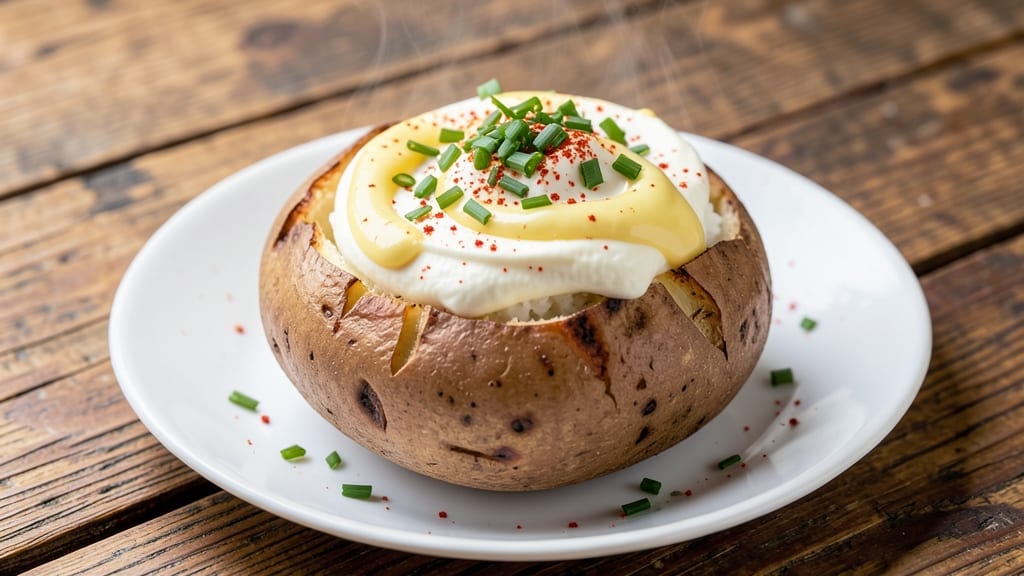
This baked potato and cream cheese recipe transforms a simple side into a savory masterpiece that stays melty and satisfying for hours.
The secret lies in baking the potato until tender yet firm enough to hold its shape, then topping it with a rich, herbed cream cheese blend that melts into golden perfection.
I perfected this technique after years of testing—no more dry potatoes or runny toppings that slide off the first bite.
The process is straightforward: bake russet potatoes at 425°F until fork-tender (about 45-60 minutes), then split open and fluff the insides with a fork.
The cream cheese topping is where magic happens—mix softened cream cheese with sour cream, chives, salt, and a pinch of cayenne for a balance of tangy, creamy, and slightly spicy flavors. This combination ensures the filling stays cohesive and melty even after sitting for hours.
What makes this recipe stand out is how it elevates a classic comfort food into something restaurant-worthy. The cream cheese topping creates a velvety, flavorful layer that contrasts beautifully with the fluffy potato interior.
Top with crispy bacon bits, extra chives, or a dollop of extra sour cream for added texture and visual appeal. It’s the kind of dish that feels indulgent yet simple enough for weeknight dinners.
Perfect for game day, family meals, or a cozy weekend brunch, this recipe scales easily—double the batch for a crowd. The key to success is timing: let the potatoes rest after baking so they hold their shape when topped.
Serve immediately for the best texture, or reheat briefly in the oven to maintain that creamy, melty perfection. Let’s get started!
Ingredients for baked potato and cream cheese
Four russets and a handful of pantry staples create restaurant-worthy baked potatoes that stay melty and satisfying.
| Ingredient | Amount | Notes |
|---|---|---|
| Russet Potatoes 🥔 | 4 whole | Large, firm russets preferred |
| Cream Cheese 🧀 | 8 oz | Full-fat, room temperature |
| Sour Cream 🥛 | ½ cup | Full-fat for best texture |
| Fresh Chives 🌿 | ¼ cup | Finely chopped, stems removed |
| Salt 🧂 | 1 tsp | Diamond Crystal kosher |
| Cayenne Pepper 🌶️ | ¼ tsp | Adjust for heat preference |
| Bacon Bits 🥓 | ¼ cup | Cooked until crispy |
| Butter 🧈 | 2 tbsp | Unsalted, melted |
| Black Pepper 🌶️ | ½ tsp | Freshly ground |
| Garlic Powder 🧄 | ½ tsp | For subtle depth |
| Extra Sour Cream 🥛 | ¼ cup | Optional garnish |
Russet potatoes are the foundation here—Idaho-grown russets are ideal if you can find them, but any russet works. The key is size: aim for 12-16 oz each. I always grab mine from Costco when I'm doing a big batch, but the regular supermarket russets work perfectly for weeknight dinners. Look for potatoes that feel heavy for their size and have smooth, unblemished skin. The cream cheese should be full-fat and room temperature—this ensures it blends smoothly with the sour cream and doesn't create lumps. If you're short on time, microwave the cream cheese for 20 seconds to soften it before mixing.
No fresh chives? Dried chives at one-third the amount work in a pinch, though fresh gives that bright, oniony punch. The cayenne is optional but adds a nice kick—smoked paprika is a great substitute if you prefer a milder heat. For the bacon bits, I like to use thick-cut bacon cooked until crispy and then crumbled. If you're watching your sodium, low-sodium bacon works just as well. The garlic powder adds depth without overpowering, but if you've got fresh garlic, 1/4 tsp minced would be even better. The butter is non-negotiable—it creates that golden crust when you reheat the potatoes in the oven.
Potatoes keep best in a cool, dark place for up to 5 days before baking, but they're best used within 2 days of purchase for maximum flavor. Once baked, let them rest for 10 minutes before splitting to prevent crumbling. The cream cheese topping can be prepped ahead and stored in the fridge for 2 days—just reheat gently before serving. For game day or large gatherings, double the batch and keep the potatoes warm in a 200°F oven until ready to serve. The secret to reheating is a quick 5 minutes at 350°F to keep the filling melty without drying out the potato.
Why You'll Love This Recipe
- No-Fuss Baking: I swear by this recipe because it’s the kind of thing you can toss in the oven while you’re still deciding what to watch on TV. Russets don’t need peeling, and the cream cheese melts right into that fluffy interior—no fancy techniques, just foolproof results.
- Creamy Crispy Magic: That contrast? Chef’s kiss. The skin gets perfectly crispy while the inside stays pillowy, and the tangy cream cheese and sour cream make every bite taste like a hug. Fresh chives add this bright little pop that cuts through the richness—trust me, you’ll want seconds.
- Meal Prep MVP: Between us, this is my go-to for lazy Sundays or busy weeknights. Bake a batch, store the leftovers in the fridge, and reheat them in minutes. (Yes, even on a Tuesday night.) It’s hearty enough for dinner but light enough for lunch the next day—no sad, dry potatoes here.
- Budget-Friendly Luxury: Russets and cream cheese are pantry staples that won’t break the bank, but this dish tastes like you spent hours in the kitchen. Honestly, it’s the kind of comfort food that makes you feel like you’re treating yourself without the guilt. Plus, one big batch feeds the whole family for pennies.
Step-by-step instructions for baked potato and cream cheese stuffing
This method ensures creamy, melty perfection every time—no dry, crumbly results.
Bake Potatoes Until Fork-Tender
Preheat your oven to 425°F and place the 4 whole Russet Potatoes directly on the middle rack. Bake for 45-60 minutes until a fork slides in easily with minimal resistance. The skin should be slightly wrinkled but not burnt—this indicates the perfect balance of crisp exterior and fluffy interior.
I like to rotate the potatoes halfway through baking to ensure even cooking. When done, let them rest for 5 minutes before handling—they'll be extremely hot inside. This resting period also helps the steam redistribute, keeping the flesh moist. Cut open a test potato to confirm the center is completely tender before proceeding.
Prepare the Cream Cheese Mixture
In a medium bowl, combine the 8 oz Cream Cheese, 0.5 cup Sour Cream, 2 tbsp Butter, 1 tsp Salt, 0.5 tsp Black Pepper, 0.5 tsp Garlic Powder, and 0.25 tsp Cayenne Pepper. Mix with a silicone spatula until completely smooth, scraping the bottom of the bowl to ensure no lumps remain. The mixture should be thick but spreadable, with a vibrant yellow color from the cream cheese.
Here's the thing—room temperature cream cheese is crucial. If it's cold, the mixture will be grainy and difficult to work with. I always take the cream cheese out of the fridge 1 hour before starting. For extra insurance, you can microwave it for 10 seconds to soften slightly, but don't overdo it or it'll melt completely.
Stuff and Assemble the Potatoes
Carefully slice each potato in half lengthwise and use a spoon to scoop out the flesh, leaving a ¼-inch thick shell. Chop the potato flesh into ½-inch cubes and return it to the bowl with the cream cheese mixture. Add the 0.25 cup Bacon Bits and 0.25 cup Fresh Chives, then fold everything together gently until evenly distributed.
Spoon the mixture back into the potato shells, mounding it slightly above the edges. The stuffing should be generous but not overflowing—you want room to close the shells without spilling. Place the stuffed potatoes on a baking sheet and cover loosely with aluminum foil. This prevents the tops from drying out while allowing the flavors to meld during the final bake.
Bake to Melty Perfection
Return the stuffed potatoes to the oven and bake at 375°F for 20-25 minutes until the stuffing is bubbly and the edges are lightly golden. You'll see the cream cheese mixture rise slightly and develop a beautiful golden crust on top. The key is patience—rushing this step leads to dry, overcooked stuffing.
For the final touch, remove the foil and broil for 1-2 minutes until the tops are deeply golden. Watch closely—broilers can be aggressive. Once done, let the potatoes rest for 5 minutes before serving. This resting period allows the cream cheese to set slightly, preventing a runny mess when you cut in.
Garnish and Serve Warm
Top each potato with a dollop of the 0.25 cup Extra Sour Cream and additional Fresh Chives if desired. Serve immediately while the cream cheese is still melty and the potatoes are piping hot. The stuffing should be rich, creamy, and perfectly seasoned with just a hint of cayenne heat cutting through the richness.
This recipe makes four generous servings, perfect for a hearty meal. The secret to keeping it melty? Don't overbake—pull them out just when the edges are golden and the center is still slightly warm. Leftovers? Reheat gently in the oven or microwave with a splash of milk to restore creaminess.
Pro Tips For Making Baked Potato And Cream Cheese
- PIERCE POTATOES FIRST: Stab each Russet with a fork before baking—yes, it’s tedious, but it prevents steam explosions in your oven. I learned this the hard way when a whole tray of potatoes burst open like overripe fruit. Do this even if you’re using a convection oven, where dry heat can still cause drama.
- SALT THE POTATOES INSIDE: Sprinkle a pinch of salt inside the potato’s flesh before baking—it seasons the creamy center, not just the skin. I used to skip this, thinking the exterior salt would do the job, but the filling always tasted bland. Trust me, the inside matters more than you think.
- SKIP THE PRE-SOAK: Resist the urge to soak Russets before baking—it’s a myth for this recipe. The starch you’re trying to remove is what makes the cream cheese filling cling. I tried soaking once for “fluffier” potatoes and ended up with a dry, gummy mess. Save the soak for fries or mashed potatoes.
- MIX CREAM CHEESE COLD: Take the cream cheese straight from the fridge and mix it with the sour cream—room temperature butter is for cookies, not this. I was skeptical until I tried it: cold cream cheese blends smoother, stays thicker, and doesn’t turn the filling into a sad, greasy sludge. (Yes, even if you’re impatient like me.)
Pro cooking tips for great baked potato and cream cheese
Perfect Potato Baking
For truly fluffy, fork-tender potatoes, bake them directly on the oven rack at 425°F for 45-60 minutes. This ensures even heat circulation and prevents soggy bottoms. I swear by Idaho-grown russets—their high starch content makes them ideal for this dish.
Poke each potato with a fork before baking to release steam and speed up cooking. 🥔
Cream Cheese Magic
The secret to a smooth, melty cream cheese topping is using full-fat cream cheese at room temperature. I always let mine sit out for 1 hour before mixing. For extra insurance, microwave it for 10 seconds to soften slightly—this prevents graininess.
The key ratio is 8 oz cream cheese to ½ cup sour cream, which balances richness with tang. Don’t skip the 2 tbsp melted butter—it creates that golden, luscious finish. 🧈
Timing Is Everything
Let baked potatoes rest for 10 minutes before splitting to prevent crumbling. This resting period also helps redistribute steam, keeping the flesh moist. When stuffing, mound the filling slightly above the edges—this ensures the cream cheese stays contained and melty.
For the final bake, cover loosely with foil at first to prevent drying, then broil for 1-2 minutes to achieve that perfect golden crust. ⏱️
Reheating Like a Pro
Leftovers? No problem. Reheat stuffed potatoes in a 350°F oven for 10-15 minutes with a splash of milk or cream to restore creaminess. If using the microwave, cover with a damp paper towel and heat in 30-second intervals, stirring between each, until warmed through.
The goal is to melt the cream cheese gently without drying out the potato. 🔥
Pro Garnish Tricks
For restaurant-worthy presentation, top with crispy bacon bits, extra chives, and a dollop of sour cream. I also love adding a pinch of smoked paprika for depth or a drizzle of hot honey for sweetness.
The contrast of textures—creamy, crispy, and fresh—elevates the dish instantly. Serve immediately while the cream cheese is still luxuriously melty. 🌟
Nutrition facts
Frequently asked questions
Can I use sweet potatoes instead of russets?
Sweet potatoes work but with a few adjustments. They have a denser texture, so bake them at 375°F for 60-75 minutes until tender. The cream cheese topping will still be delicious, but the flavor profile shifts from classic savory to slightly sweet. For best results, use orange-fleshed sweet potatoes and reduce baking time by 10 minutes to prevent drying.
Why is my cream cheese mixture grainy?
Graininess usually means the cream cheese wasn't soft enough. Always use room temperature cream cheese—let it sit out for 1 hour before mixing or microwave for 10 seconds to soften. For extra smoothness, blend the mixture briefly with an immersion blender. Cold cream cheese creates lumps that don't dissolve properly.
Can I make this ahead of time?
Bake the potatoes and prepare the cream cheese topping separately, then store them in the fridge for up to 2 days. When ready to serve, assemble and bake at 375°F for 20-25 minutes to melt the filling. For game day, keep baked potatoes warm in a 200°F oven while you assemble the toppings.
What's the best way to reheat leftovers?
For oven reheating, cover with foil and bake at 350°F for 10-15 minutes with a splash of milk or cream to restore creaminess. Microwave in 30-second intervals, stirring between each, until warmed through. The goal is to melt the cream cheese gently without drying the potato. Never microwave uncovered—it causes the filling to separate.
Can I make this dairy-free?
Yes! Replace cream cheese with 8 oz dairy-free cream cheese (like Kite Hill) and use ½ cup coconut yogurt instead of sour cream. Add 1 tbsp nutritional yeast for a cheesy flavor. The texture will be slightly lighter but still creamy. For extra richness, stir in 1 tbsp melted coconut oil instead of butter.