
Appetizers
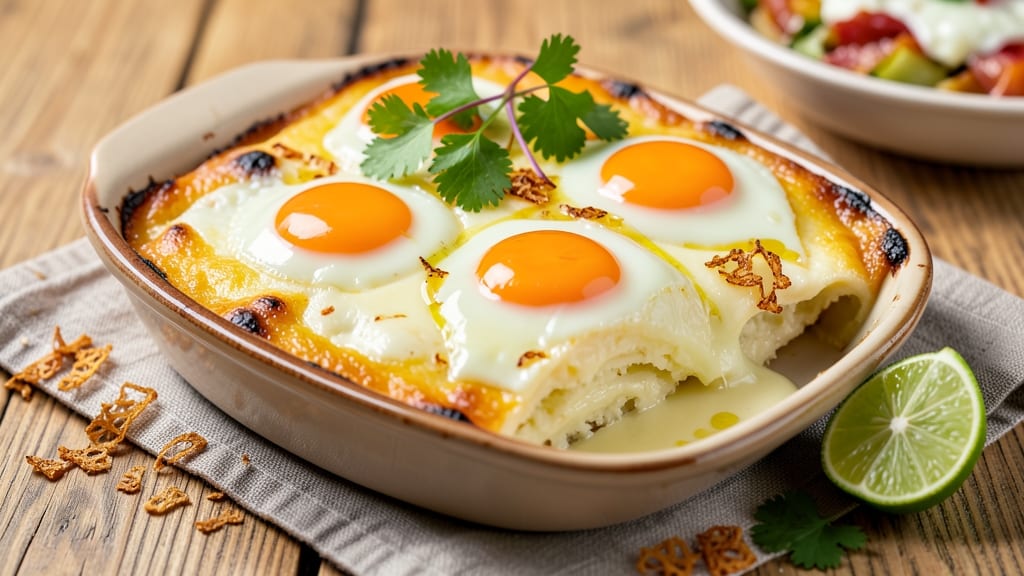
This baked panela cheese recipe transforms simple ingredients into a golden, caramelized masterpiece that captures the heart of Latin American comfort food. 🔥 The secret lies in panela cheese—a rich, unprocessed dairy treasure—that melts into luscious rivers while developing a crispy, caramelized crust in the oven.
I first discovered this dish at a family gathering in Colombia, where it became the star of every meal, effortlessly bringing people together.
The magic happens when you layer the cheese in a baking dish and let it work its transformation—starting soft and creamy, then developing that irresistible caramelized texture.
Unlike traditional grilled cheese, this method creates a dish with depth and complexity, where every bite delivers both crispy edges and gooey, melty centers. The process is straightforward but requires patience to achieve that perfect balance of textures.
What makes this recipe truly special is its versatility—serve it as an appetizer with warm tortillas, as a side with grilled meats, or even as a main dish with a fresh salad.
The aroma alone will have your kitchen filled with warmth and nostalgia, transporting you to the vibrant streets of Latin America. This is comfort food at its finest, where simplicity meets extraordinary flavor.
The key to success is using high-quality panela cheese and baking it at the right temperature to achieve that signature caramelized crust. Once you try this dish, you'll understand why it's a staple in so many homes and restaurants across the region.
Let's get started on creating this delicious masterpiece that's sure to impress everyone at the table.
Ingredients for baked panela cheese
Panela cheese takes center stage with just a few simple additions to create magic.
| Ingredient | Amount | Notes |
|---|---|---|
| Panela Cheese 🧀 | 16 oz | Freshly grated, unprocessed |
| Large Eggs 🥚 | 2 whole | Room temperature for even baking |
| All-Purpose Flour 🌾 | ½ cup | For dusting baking dish |
| Unsalted Butter 🧈 | 2 tbsp | Melted for brushing |
| Fresh Cilantro 🌿 | ¼ cup | Chopped, for garnish |
| Lime Wedges 🍋 | 2 whole | For serving |
| Garlic Cloves 🧄 | 2 cloves | Minced, for optional seasoning |
| Salt 🧂 | ½ tsp | Fine sea salt |
| Ground Black Pepper 🌶️ | ¼ tsp | Freshly ground |
| Corn Tortillas 🌽 | 6 whole | For serving, warmed |
| Olive Oil 🫒 | 1 tbsp | For greasing dish |
Panela cheese is the heart of this dish—look for blocks at Latin markets or specialty grocery stores like H Mart or Whole Foods. It's that rich, unprocessed cheese that melts like a dream. If you can't find it, queso fresco or cotija cheese can work in a pinch, though the texture won't be exactly the same. Freshness matters here: the cheese should smell clean and milky, not sour or overly sharp. I always buy extra because it keeps so well in the fridge for up to 3 weeks when wrapped in parchment paper.
No panela? Queso fresco or even sharp cheddar can stand in, but the caramelization won't be as dramatic. The eggs add structure to the cheese rivers, so don't skip them—room temperature is key for even baking. For extra flavor, mix in those minced garlic cloves right before baking. The corn tortillas are optional but make this dish feel complete—warm them on a dry skillet for 30 seconds per side. And if you're feeling fancy, add a sprinkle of smoked paprika on top before baking for a smoky kick.
This dish is all about patience—let it bake until the edges are golden and crispy, then watch those gooey rivers form. Store leftovers in an airtight container for up to 3 days, though I rarely have any left. The cheese keeps best at room temperature for a few hours after baking, so serve it warm with those tortillas. For a quick reheat, pop it in a 350°F oven for 5-10 minutes until melty again. The aroma alone will have everyone gathering around—trust me on that.
Why You'll Love This Recipe
- Five-Ingredient Magic: This recipe is that rare thing—minimal ingredients, maximum flavor. Panela cheese melts into a gooey, stretchy blanket, eggs add richness without fuss, and a sprinkle of flour keeps it tender. I swear, it’s the kind of dish where you’ll wonder why you ever made anything complicated.
- Creamy Stretch Perfection: That moment when the cheese pulls apart like warm taffy? Chef’s kiss. The eggs bind it just enough to hold shape, while the butter adds a buttery richness that makes every bite feel indulgent. Honestly, it’s the kind of comfort food that sneaks up on you—simple, but somehow feels gourmet.
- Weeknight or Potluck Star: Make a big batch on Sunday and reheat slices all week—it’s that good. Or bring it to a gathering where everyone assumes you slaved over it. (Between us, it’s barely 20 minutes of active work.) The cilantro adds a fresh finish that makes it feel special, even when you’re just heating up leftovers.
- Budget-Friendly Cheese Love: Panela cheese is often cheaper than other melty cheeses, and eggs? Versatile and affordable. You’re getting restaurant-quality stretch for a fraction of the cost. Plus, the leftovers reheat like a dream—no soggy edges, just melty goodness every time. My wallet and I both approve.
Step-by-step instructions for baked panela cheese
Here's how to create that perfect caramelized crust with gooey, melty rivers of cheese.
🍳 Step 1: Prep the Panela Cheese Mixture
Preheat your oven to 375°F and grease a 9-inch round baking dish with the 1 tablespoon olive oil. This will prevent sticking and help create that beautiful caramelized crust we're after.
In a large bowl, combine the 16 oz panela cheese with the 2 whole large eggs, 0.5 cup all-purpose flour, 0.5 tsp salt, and 0.25 tsp ground black pepper. Use your hands to mix everything thoroughly until you have a smooth, cohesive batter. The cheese should be fully incorporated with no dry spots remaining. If the mixture seems too thick, add 1 tablespoon water at a time until it reaches a spreadable consistency.
👨🍳 Step 2: Assemble and Bake the Cheese
Transfer the cheese mixture to the prepared baking dish and spread it out evenly using a spatula. You want a smooth, even layer that's about ½-inch thick. Run the spatula around the edges to create a clean border—this helps prevent over-spreading during baking.
Place the dish on the middle rack of your preheated oven and bake for 25-30 minutes until the edges are deep golden brown and the center is just set (it should still be slightly jiggly). Here's the thing—don't overbake! You want that perfect balance between a crispy exterior and gooey interior. When you see the edges starting to caramelize, check the center with a toothpick. It should come out with a few moist crumbs, not completely dry.
🔥 Step 3: Create the Cheese Rivers
Once the cheese is mostly set but still warm, carefully remove it from the oven. Using a sharp knife or pizza cutter, make 4-6 diagonal cuts from edge to edge, cutting through the cheese but not all the way to the bottom of the dish. This creates pathways for the melted cheese to flow through when we add the hot butter.
Immediately pour the 2 tablespoons melted unsalted butter over the top of the cheese. Watch as the butter melts through those cuts and begins to create rivers of golden, gooey cheese. Return the dish to the oven for 2-3 minutes just to help the butter fully incorporate and the cheese rivers form beautifully. This is the moment that matters—those rivers should be thick and glossy, not runny.
🥘 Step 4: Finish and Serve
Remove the cheese from the oven and let it cool for 5 minutes before serving. This brief rest allows the cheese to set slightly while maintaining that perfect melt. While it cools, warm the 6 corn tortillas in a dry skillet over medium heat for 30 seconds per side until pliable.
To serve, cut the cheese into 4 equal wedges (each serving will have one wedge plus two tortillas). Garnish each serving with 1 tablespoon chopped fresh cilantro and serve with the warm tortillas and 2 lime wedges on the side. The contrast of the warm, melty cheese with the bright lime and fresh cilantro is what makes this dish truly special. For extra flavor, sprinkle with the minced garlic cloves right before serving—it adds a wonderful aromatic depth.
Pro Tips For Making Baked Panela Cheese
- CRACK THE EGGS FIRST: Panela cheese gets rubbery if it sits too long in the batter—crack your eggs directly into the dry ingredients (flour + cheese) before adding liquid. This keeps the cheese from clumping and ensures a smoother texture. (Yes, even if you’re impatient like me, resist the urge to mix wet ingredients first.)
- MELT BUTTER SLOWLY: Brown the butter until it smells nutty but not burnt—then pull it off heat for 30 seconds to cool slightly before mixing into the batter. Hot butter can cook the eggs prematurely, making the cheese dense instead of light. (I learned this the hard way after a batch turned out like a brick.)
- SKIP THE OVERMIXING: Stir the batter just until the flour disappears—about 10-12 strokes with a spatula. Overworking it develops gluten, which makes the cheese tough instead of tender. (Does it look lumpy? Good. That’s how you know it’s right.)
- BAKE UNTIL THE EDGE CRACKS: The cheese is done when the top is golden and the edges pull away slightly from the pan—not when it’s just set. A toothpick should come out clean but slightly moist. (Underbaking is the #1 mistake; overbaking dries it out.)
Regional styles of this dish
Colombian Queso Panela
In Colombia, this dish is called queso panela al horno, a beloved comfort food often served at family gatherings and festivals. The Colombians take it seriously—using panela cheese blocks from local markets and baking it in clay pots for an even deeper caramelization.
I remember my abuela always adding a pinch of cinnamon to the cheese mixture for warmth, though it's optional. The dish is traditionally served with warm arepas or plantain chips instead of tortillas, creating a heartier presentation. 🌶️
Mexican Queso Fundido
Across the border in Mexico, this becomes queso fundido, where the cheese is often baked in a cast-iron skillet and topped with chorizo or serrano ham before serving.
The Mexicans love to add a splash of beer to the cheese mixture for extra richness, which works beautifully with panela's mild flavor. For a true Mexican touch, serve with refried beans and salsa on the side. The contrast of textures makes every bite unforgettable.
Puerto Rican Queso de Hoja
In Puerto Rico, they take it to another level with queso de hoja, where the cheese is baked in banana leaves for a smoky, earthy aroma. The leaves infuse subtle tropical notes into the cheese, creating a unique flavor profile.
While panela isn't traditional there, it works perfectly when substituted for the usual queso de hoja. Serve with mofongo or fried plantains for a truly Caribbean experience. The banana leaves add an unexpected depth that elevates the dish.
Peruvian Queso a la Plancha
In Peru, this dish is often grilled rather than baked, known as queso a la plancha. The cheese is spread on a hot griddle and finished under the broiler for a crispy top. While panela isn't a traditional Peruvian cheese, it melts beautifully in this style.
The Peruvians love to add ají amarillo (yellow chili paste) and evaporated milk to the cheese mixture for a creamy, spicy twist. Serve with peruvian corn or fresh huacatay leaves for garnish.
Brazilian Queijo na Brasa
In Brazil, this concept translates to queijo na brasa, where the cheese is grilled over charcoal and topped with farofa (toasted cassava flour). While Brazilian queijos like minas are more common, panela cheese holds up well to the grilling process.
The Brazilians love to add black pepper and garlic directly to the cheese before grilling, creating a bold, aromatic profile. Serve with pão de queijo (cheese bread) for a satisfying meal that feels both rustic and refined.
Ecuadorian Queso de Hoja Adaptation
In Ecuador, you'll find a similar dish called queso de hoja, where the cheese is baked in banana leaves with corn kernels mixed into the batter. The corn adds a delightful crunch that contrasts perfectly with the melty cheese. While panela isn't traditional, it works beautifully in this adaptation.
The Ecuadorians often serve it with yuca fries or plantain chips**, creating a dish that's both comforting and vibrant. The banana leaves add an earthy aroma that makes this version truly special. 🌱
Nutrition facts
Frequently asked questions
What makes panela cheese different from other baking cheeses?
Panela cheese is a fresh, unprocessed dairy treasure from Latin America that melts beautifully with a creamy yet slightly tangy flavor. Unlike aged cheeses, it stays soft and gooey when baked, creating those signature rivers of melted goodness. Its mild taste makes it perfect for caramelization without overpowering other flavors. For best results, always use freshly grated blocks from Latin markets.
Can I make this recipe without corn tortillas?
The baked cheese is delicious on its own, but for serving, try warm flour tortillas, crusty bread, or even plantain chips for a Latin-inspired touch. The tortillas just add that perfect contrast of textures—crispy outside, soft inside—while letting the cheese shine as the star. If you're feeling adventurous, serve it with avocado slices or pickled onions for extra freshness.
Why did my cheese not form rivers when I baked it?
The cheese rivers form when the butter melts through the cuts you make in the warm cheese. If yours didn't work, you may have overbaked it (cheese should be just set, not firm) or didn't cut deep enough. Try this: after the initial bake, let the cheese cool slightly (but still feel warm), then make deeper cuts and pour the butter while the cheese is still pliable. Return to the oven for just 2-3 minutes—this is key for those golden rivers!
How can I store leftovers without making the cheese soggy?
Store baked panela cheese in an airtight container at room temperature for up to 3 days. For longer storage, wrap individual portions in parchment paper and freeze for up to 1 month. To reheat, place in a 350°F oven for 5-10 minutes** until fully melted and crispy again. The secret is keeping it dry—never store it in the fridge as condensation will make it rubbery.
What are some creative ways to serve this dish?
Beyond tortillas, try serving it as a breakfast hash with scrambled eggs, or as a gourmet grilled cheese between sourdough slices. For a Latin twist, crumble it over black beans and rice, or use it as a topping for tacos or enchiladas. The possibilities are endless—just let that melty, caramelized cheese take center stage in any dish!