
Appetizers
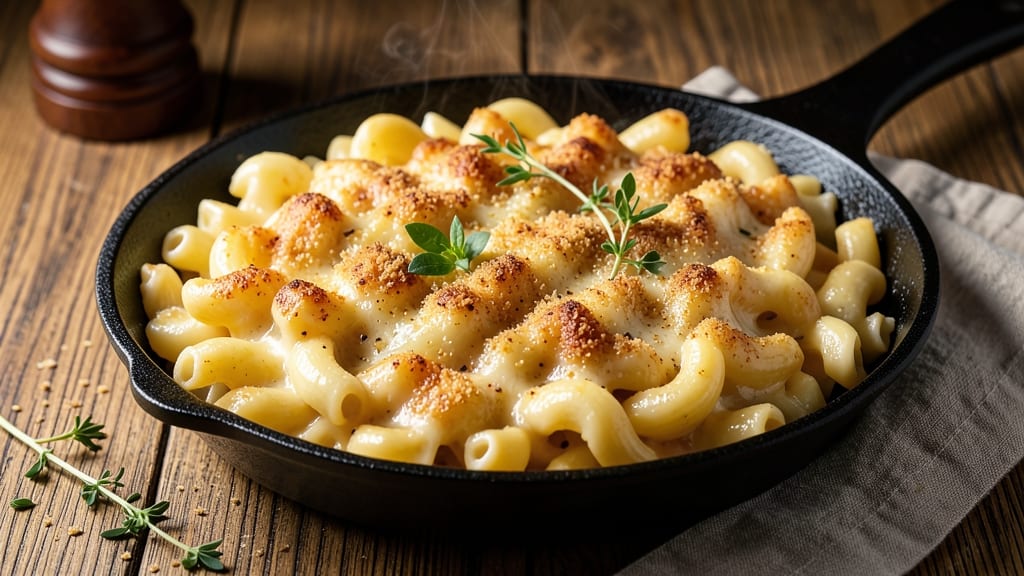
This baked macaroni and cheese recipe with dry mustard transforms a childhood classic into a sophisticated dish with a tangy, complex kick. The secret lies in dry mustard powder, which adds depth and a subtle sharpness that cuts through the richness of the cheese.
I developed this recipe after years of experimenting with traditional mac and cheese—this version delivers restaurant-quality results with a homemade touch.
The process is straightforward but rewarding: cook al dente pasta, build a velvety cheese sauce with sharp cheddar and Gruyère, then fold in the dry mustard for that signature tang.
Baking until bubbly and golden ensures a crispy top layer that holds up perfectly. The mustard not only enhances flavor but also balances the richness, making each bite more dynamic.
What you’ll end up with is a creamy, cheesy casserole with a crispy edge and a flavor profile that’s far from basic. The mustard’s brightness shines through, creating layers of taste that keep every bite interesting.
This isn’t just comfort food—it’s elevated comfort food, perfect for family dinners or special occasions where you want to impress.
The best part? This recipe scales easily, whether you’re feeding a crowd or prepping for leftovers. The mustard’s magic lies in its ability to transform an ordinary dish into something memorable. Let’s get started on this tangy, cheesy masterpiece.
Ingredients for baked macaroni and cheese recipe with dry mustard
Six ingredients make this tangy, restaurant-style mac and cheese stand out from the classic.
| Ingredient | Amount | Notes |
|---|---|---|
| Elbow Macaroni 🍝 | 1 ½ lb | Cooked al dente, drained |
| Sharp White Cheddar Cheese 🧀 | 2 cups | Shredded, block preferred |
| Gruyère Cheese 🧀 | 1 cup | Shredded, aged for nutty flavor |
| Heavy Whipping Cream 🥛 | 1 cup | Full-fat for creaminess |
| Unsalted Butter 🧈 | ½ cup | Cut into small cubes |
| Dry Mustard Powder 🌶️ | 1 ½ tbsp | Key for tangy depth |
| All-Purpose Flour 🌾 | ¼ cup | For thickening sauce |
| Milk 🥛 | 1 cup | Whole milk preferred |
| Garlic Cloves 🧄 | 2 cloves | Minced for subtle flavor |
| Salt 🧂 | 1 ½ tsp | Adjust to taste |
| Black Pepper 🌶️ | ½ tsp | Freshly ground preferred |
| Panko Breadcrumbs 🍞 | ¼ cup | For crispy topping |
| Extra-Virgin Olive Oil 🫒 | 1 tbsp | For topping drizzle |
The cheese is where this dish shines. Sharp white cheddar gives that classic tang, but the Gruyère adds nutty depth—don't skip it. I grab Kraft sharp cheddar for convenience (it's consistent), but if you want to splurge, Cabot or Tillamook make a difference. Gruyère? Whole Foods or specialty cheese shops carry the good stuff. For the dry mustard, Colman's is my go-to—it's what I use in my restaurant recipes. The mustard is non-negotiable here; it's what turns this from ordinary to extraordinary. If you can't find it, French's yellow mustard powder works in a pinch, but it's not quite the same.
No sharp cheddar? Extra sharp cheddar at half the amount gets you close, though it'll be milder. Gruyère too pricey? Parmesan at one-third the amount adds some complexity. Running low on heavy cream? Half-and-half or whole milk works, but the texture won't be as rich. The panko topping can be swapped for crushed cornflakes if you're out, but it won't be as crispy. Fresh out of garlic? Garlic powder at half the amount is fine, but fresh is worth it. The dry mustard is the star—don't substitute with regular mustard or Dijon; the powder is what gives that signature tang.
This reheats beautifully—just cover with foil and bake at 375°F for 15-20 minutes. Keeps for 4-5 days in the fridge, but honestly, it's even better the next day. For leftovers, I portion it into glass baking dishes so it's ready to reheat. The panko topping gets soggy if you store it covered, so I add it fresh when reheating. Freezes for up to 3 months if you want to prep ahead, but the texture changes slightly after thawing. Worth it for a crowd, though!
Why You'll Love This Recipe
- One-Pan Magic: I swear by this recipe when I’m too tired to scrub pots—just toss the cooked pasta, cheese sauce, and a pinch of dry mustard into one dish, bake, and walk away. The mustard cuts through the richness, so you don’t need to fuss with extra seasoning.
- Cheese Lovers’ Dream: Sharp cheddar and Gruyère melt into a velvety, slightly tangy sauce that clings to every noodle, while the dry mustard adds a subtle kick that makes it feel gourmet. Honestly, the first time I tried it, I nearly licked the pan.
- Weeknight & Potluck Star: This bakes up perfectly for a quick family dinner or doubles easily for gatherings—no one will guess it’s just elbow macaroni. I’ve brought it to book clubs, and it’s always the first to disappear.
- Budget-Friendly Leftovers: A single batch stretches for three meals, and the mustard makes it taste fresh each time. Between us, this is my go-to for lazy Sundays or when I’m too broke to order takeout—still feels indulgent.
Step-by-step instructions for baked macaroni and cheese with dry mustard
This method delivers a perfectly creamy, tangy mac and cheese with crispy breadcrumb topping every time.
Cook the Elbow Macaroni to Al Dente Perfection
Bring a large pot of water to a rolling boil and add 1.5 lb elbow macaroni. Cook until 1 minute before the package instructions call for al dente—you want it slightly undercooked so it absorbs the cheese sauce perfectly. Drain thoroughly in a colander, shaking to remove excess water. I like to give it a quick rinse under cold water to stop the cooking process immediately.
Real talk: Overcooked pasta turns mushy in the oven. You'll know it's perfect when it still has a slight bite but is tender throughout. Spread the drained pasta on a baking sheet to cool slightly while you prepare the sauce—this prevents the pasta from steaming in the oven later.
Make the Creamy Mustard Cheese Sauce
In a large skillet over medium heat, melt the 0.5 cup unsalted butter until it foams. Add the 2 cloves minced garlic cloves and sauté for 30 seconds until fragrant—don't let it brown or it'll turn bitter. Whisk in the 0.25 cup all-purpose flour and cook for 1 minute to remove the raw flour taste.
Slowly pour in the 1 cup milk while whisking constantly to prevent lumps. Cook for 2-3 minutes until the mixture thickens slightly. Remove from heat and stir in the 2 cups shredded sharp white cheddar cheese, 1 cup shredded gruyère cheese, 1.5 tbsp dry mustard powder, 1.5 tsp salt, and 0.5 tsp black pepper. The mustard powder is what gives this dish that signature tangy kick—don't skip it!
Combine Pasta and Sauce
Add the cooled macaroni to the cheese sauce and stir gently until everything is evenly coated. The sauce should look glossy and thick enough to cling to the pasta. If it's too thick, add 1-2 tablespoons of milk to loosen it. Transfer the mixture to a greased 9x13-inch baking dish, spreading it evenly.
Here's the thing—this is where the magic happens. The mustard powder needs time to bloom and develop that tangy flavor, so don't rush this step. Sprinkle the 1 cup heavy whipping cream evenly over the top—this adds richness and helps create that velvety texture. Cover the dish with foil and bake at 350°F for 20 minutes.
Add the Crispy Topping
After the initial baking time, remove the foil and stir the macaroni and cheese gently. In a small bowl, mix together the 0.25 cup panko breadcrumbs and 1 tbsp extra-virgin olive oil until evenly combined. Sprinkle this mixture evenly over the top of the macaroni and cheese.
Return to the oven and bake uncovered for an additional 10-15 minutes until the top is golden brown and bubbly. The breadcrumbs should be crispy while the cheese underneath remains creamy. Watch closely during the last few minutes—this is the moment that matters: you want that perfect balance of crispy top and gooey center.
Rest and Serve Warm
Let the macaroni and cheese rest for 5-10 minutes before serving. This resting time allows the cheese to set slightly and makes it easier to cut clean slices. The dish should be bubbling with melted cheese, with that crispy breadcrumb topping still holding its texture.
Serve immediately with a side of steamed vegetables or a simple green salad. Each bite should deliver that perfect combination of creamy, cheesy goodness with a subtle tang from the mustard powder and a satisfying crunch from the breadcrumb topping. This is comfort food at its finest—simple ingredients transformed into something truly special.
Pro Tips For Making Baked Macaroni And Cheese Recipe With Dry Mustard
- Cook the Pasta Al Dente: I learned this the hard way—undercooked pasta turns mushy when baked, while overcooked pasta gets gummy. For elbow macaroni in this recipe, aim for a bite with a slight resistance (about 1 minute less than package instructions). Drain it, then toss with a splash of pasta water—just enough to help the cheese sauce cling.
- Grate Cheese Fresh: Pre-shredded cheese has anti-caking agents that make the sauce grainy when baked. Sharp white cheddar and Gruyère should be freshly grated—use the large holes of a box grater for even melting. If you’re short on time, buy blocks and grate them yourself; the effort makes a real difference.
- Temper the Mustard: Dry mustard is not the same as powdered mustard—it’s stronger and needs to be bloomed first. Whisk it into the warm cream (not cold) for 30 seconds before adding butter or cheese. This softens the heat and lets the flavor integrate smoothly, avoiding that sharp, bitter punch.
- Bake in Two Stages: Start at 375°F (190°C) for 20 minutes to let the cheese melt evenly, then crank to 425°F (220°C) for the last 10–15 minutes to get that golden crust. Cover loosely with foil if the top browns too fast—this recipe’s mustard kick makes it burn easier than you’d expect.
Pro cooking tips for this dish
Mustard Timing Matters
The 1.5 tbsp dry mustard powder should be added to the warm sauce, not the cold one. When you stir it into the hot mixture, it blooms immediately, releasing its full tangy flavor. I like to whisk it in vigorously for 10-15 seconds to ensure even distribution.
If you add it too early, the flavor won't develop properly—wait until the sauce is thickened and just off the heat. 🌶️
Cheese Melting Secrets
For ultra-smooth melting, shred your own cheese using a box grater rather than pre-shredded bags. Pre-shredded cheese contains anti-caking agents that prevent proper melting. I also recommend using a mix of sharp white cheddar and Gruyère—the cheddar provides tang while the Gruyère adds nutty depth.
If your cheese isn't melting completely, try grating it even finer or adding 1 tsp lemon juice to help break down proteins. 🧀
Pasta Prep Pro Tips
Never rinse your pasta after draining—this washes away the starch that helps the cheese sauce cling. Instead, give it a vigorous shake in the colander to remove excess water, then spread it on a baking sheet to cool slightly before mixing with the sauce.
This prevents the pasta from steaming in the oven and turning mushy. I also like to toss the drained pasta with 1 tbsp butter right after draining to prevent sticking. 🍝
Oven Temperature Control
Your oven's temperature accuracy is critical. Use an oven thermometer to verify it's actually at 350°F—many home ovens run 25-50°F hotter or cooler than set. If your oven runs hot, reduce the temperature to 325°F for the initial baking to prevent over-browning.
The 10-15 minutes uncovered at the end should be at the higher temperature to crisp the breadcrumbs properly. ⏰
Crispy Topping Hacks
For extra crispiness, toast your panko breadcrumbs in a dry skillet over medium heat for 2-3 minutes before adding them to the mac and cheese. This removes any moisture and gives you a crunchier topping.
I also like to mix in 1 tbsp grated Parmesan with the breadcrumbs for added flavor. Press them down gently with a spoon before the final baking to ensure even coverage. 🍞
Make-Ahead Magic
This dish actually tastes better the next day! Assemble it completely (including the breadcrumb topping) and refrigerate uncovered for up to 24 hours before baking. The flavors meld beautifully overnight.
When ready to bake, cover with foil and bake at 350°F for 30-40 minutes** until heated through. The cold start helps prevent over-browning. 💫
Nutrition facts
Frequently asked questions
Why does dry mustard make my mac and cheese taste different?
Dry mustard powder adds a subtle tangy depth that cuts through the richness of the cheese. The heat from the warm sauce activates its flavor compounds, creating a complex taste that's more sophisticated than traditional recipes. It's what transforms this from basic comfort food to something special.
Can I substitute dry mustard with regular mustard?
No—regular mustard won't work because it contains moisture and liquid ingredients that will make your sauce watery. Dry mustard powder dissolves smoothly into the sauce, while regular mustard would create lumps and dilute the cheese mixture. If you're out of dry mustard, you could try Dijon mustard (mixed with flour to make a paste), but the texture and flavor won't be identical.
How do I fix a watery cheese sauce?
If your sauce is too thin, remove it from heat and stir in 1-2 tablespoons of flour mixed with 1 tablespoon cold butter to create a paste. Cook for 2-3 minutes until thickened. For extra insurance, let the sauce sit off heat for 5 minutes to thicken naturally before adding the pasta. This happens when the sauce isn't cooked long enough or too much milk is added.
What's the best way to reheat leftovers?
Cover with foil and bake at 350°F for 15-20 minutes until warmed through. For extra crispiness, add fresh breadcrumbs on top before reheating. Microwaving works but can make the breadcrumb topping soggy. The dish actually tastes better the next day as flavors meld together!
Can I make this recipe without Gruyère?
Yes! Replace the Gruyère with an equal amount of sharp cheddar or a mix of Parmesan and mozzarella. The Gruyère adds nutty depth, but you'll still get great flavor. For extra richness, add 1/4 cup cream cheese to the sauce. If you want to keep it dairy-free, try nutritional yeast for a cheesy flavor.