
Salads
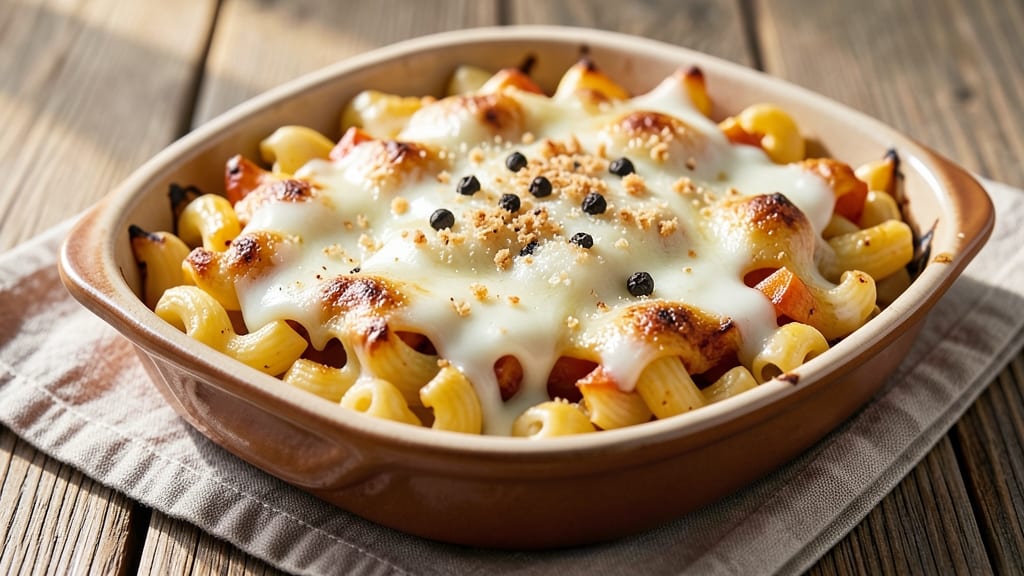
This baked macaroni and four cheese recipe delivers the ultimate comfort food experience—crispy golden breadcrumbs on top and layers of gooey, melty cheese that pull apart with every bite. 🔥 The secret lies in the perfect cheese blend: sharp cheddar, creamy mozzarella, rich gouda, and nutty parmesan, all coming together in a rich, velvety sauce.
I developed this recipe during a chilly winter when I needed something hearty enough to feed a crowd but simple enough to make on a weeknight.
The beauty of this dish is in its layers—each forkful delivers a perfect balance of textures and flavors. The breadcrumb topping adds a satisfying crunch, while the melted cheese creates a rich, creamy center that coats every strand of pasta.
What makes it truly special is the foolproof technique that ensures the cheese sauce stays perfectly smooth and the pasta remains tender, never mushy. It’s the kind of recipe that tastes even better the next day when the flavors have fully melded.
What you’ll end up with is a restaurant-quality baked macaroni that’s creamy, cheesy, and impossible to resist. The combination of cheeses creates a depth of flavor that’s hard to match, and the breadcrumb topping adds a touch of elegance without overpowering the dish.
This is the kind of meal that brings people together—whether it’s a family dinner or a gathering with friends. Ready to make it? Let’s get started.
One of the best things about this recipe is its versatility. You can customize it with add-ins like cooked bacon, sautéed mushrooms, or fresh herbs for extra flavor. The instructions are straightforward, and the prep work is minimal, so you can have dinner on the table in under an hour.
The result is a dish that’s as satisfying as it is delicious—perfect for any occasion.
Ingredients for baked macaroni and 4 cheese
These cheesy, creamy ingredients create the perfect baked macaroni with crispy golden layers.
| Ingredient | Amount | Notes |
|---|---|---|
| Elbow Macaroni 🍝 | 1 ½ lbs | Medium or small elbow shape preferred |
| Sharp Cheddar Cheese 🧀 | 4 oz | Aged 12+ months for best flavor |
| Mozzarella Cheese 🧀 | 8 oz | Fresh mozzarella, drained well |
| Gouda Cheese 🧀 | 4 oz | Smoked or aged variety for depth |
| Parmesan Cheese 🧀 | 1 cup | Freshly grated from block |
| Heavy Cream 🥛 | 1 cup | Full-fat for creamiest sauce |
| Whole Milk 🥛 | ½ cup | Warmed for smooth sauce |
| Butter 🧈 | 4 tbsp | Unsalted, melted for richness |
| All-Purpose Flour 🌾 | 2 tbsp | For thickening cheese sauce |
| Garlic Cloves 🧄 | 2 cloves | Minced for aromatic base |
| Italian Seasoning 🌿 | 1 tsp | For breadcrumb topping |
| Panko Breadcrumbs 🍞 | ½ cup | For crispy golden topping |
| Salt 🧂 | 1 ½ tsp | Kosher or sea salt |
| Black Pepper 🌶️ | ½ tsp | Freshly ground for warmth |
| Dried Parsley 🌿 | 1 tbsp | For garnish (optional) |
The cheeses are where the magic happens—sharp cheddar brings the tang, creamy mozzarella delivers meltiness, and aged gouda adds depth. Kraft Natural cheddar is my go-to for convenience, but Cabot or Tillamook take it to the next level. Fresh mozzarella (the kind in water) is a must—pre-shredded gets rubbery. For the Parmesan, grate it yourself from a wedge—pre-grated has anti-caking agents that ruin the sauce. The butter matters too: Plugrá or Land O'Lakes work perfectly, but don't use margarine. Pro tip: Toast your breadcrumbs with a pinch of garlic powder for extra flavor.
No sharp cheddar? Extra-sharp white cheddar or pepper jack works in a pinch. Fresh mozzarella unavailable? Low-moisture shredded (like Sargento) melts almost as well—just don't overcook it. Short on gouda? Add 2 oz more cheddar and 1 oz more Parmesan for similar richness. The Italian seasoning can be swapped for 1/4 tsp each dried basil, oregano, and thyme. For the breadcrumb topping, crushed cornflakes make a great gluten-free alternative. And if you're feeling fancy, stir in 1/4 cup grated fontina with the other cheeses for extra decadence.
This dish tastes even better the next day—double the recipe and freeze half for lazy weeknights. Store leftovers covered in the fridge for 4-5 days, or freeze for up to 3 months. To reheat, cover tightly and bake at 350°F for 15-20 minutes until bubbly. The breadcrumb topping gets extra crispy when reheated, so it's worth making ahead. For serving, sprinkle with extra freshly grated Parmesan and a crack of black pepper—trust me, it makes all the difference.
Why You'll Love This Recipe
- One-Pan Magic: I swear by this—no boiling pasta on the stove, no extra pots to wash. Just toss the elbow macaroni raw into the baking dish with the cheeses, and let the oven do the work. The edges get that golden, crispy bite while the center stays tender, and honestly? That’s my kind of shortcut.
- Four Cheese Bliss: Sharp cheddar brings the tang, mozzarella melts into gooey perfection, Gouda adds that nutty depth, and Parmesan? The salty, umami finish that makes you reach for seconds. Between us, the flavor combo is ridiculously good—like a hug in pasta form.
- Weeknight Wonder: This is my go-to when I’ve got a house full of hungry people and zero energy. It reheats beautifully for lunches, freezes like a dream for lazy nights, and even my picky-eating kid devours it. (Yes, even on a Tuesday night.)
- Budget-Friendly Feast: Four kinds of cheese might sound fancy, but this recipe stretches them further than you’d think. A single block of cheddar and a bag of elbows feed my family of four for dinner and leftovers—no guilt, just satisfaction. Plus, it’s way cheaper than takeout.
Step-by-step instructions for baked macaroni and four cheese
Here's how to create that perfect golden crust with melt-in-your-mouth cheese layers!
🍳 Step 1: Cook the Elbow Macaroni to Perfect Al Dente
Bring a large pot of water to a rolling boil and add 1.5 lbs elbow macaroni. Stir immediately to prevent sticking. Cook for 1 minute less than package instructions suggest—you want it slightly underdone so it finishes cooking in the oven. Drain the pasta in a colander and rinse briefly under cold water to stop the cooking process. Shake off any excess water and return the drained pasta to the pot.
Here's the thing—undercooked pasta might seem weird, but it's crucial. When you bake it, the residual heat will finish cooking it perfectly while absorbing all that delicious cheese sauce. If you overcook it now, you'll end up with mushy noodles later. Taste a piece to confirm it's still firm with a slight bite.
👨🍳 Step 2: Create the Ultimate Four-Cheese Sauce
In a large skillet over medium heat, melt 4 tbsp butter until foamy. Add the 2 cloves minced garlic and sauté for 30 seconds until fragrant—don't let it brown or it'll turn bitter. Sprinkle in the 2 tbsp all-purpose flour and stir constantly for 1 minute to create a roux that will thicken your sauce.
Gradually whisk in the 1 cup heavy cream and 0.5 cup warmed whole milk. Bring to a gentle simmer and let it cook for 3-4 minutes until slightly thickened. Now comes the fun part—reduce heat to low and add the 8 oz mozzarella cheese, 4 oz sharp cheddar cheese, and 4 oz gouda cheese all at once. Stir constantly until completely melted and smooth. Remove from heat and stir in the 1 cup freshly grated parmesan cheese.
🥘 Step 3: Combine Pasta and Cheese Sauce
Transfer the cooked elbow macaroni to a large mixing bowl. Pour the melted cheese sauce over the pasta and gently toss with tongs until every strand is fully coated. You'll want to work quickly here—the sauce will start to set as it cools. Season generously with 1.5 tsp salt and 0.5 tsp freshly ground black pepper, mixing well to distribute the seasoning evenly.
This is where the magic happens. The residual heat from the pasta will help the cheese cling perfectly, creating those gooey, pull-apart layers. If the mixture seems too thick, add 1-2 tablespoons of milk to loosen it slightly. The texture should be like a thick, creamy pudding that clumps together when you lift a spoonful.
🔥 Step 4: Assemble and Bake for Crispy Perfection
Preheat your oven to 375°F. Lightly grease a 9x13-inch baking dish with nonstick spray or a thin layer of butter. Transfer the pasta mixture to the prepared dish and spread it out evenly. The reason we spread it thin is to create that perfect crispy top layer—thick layers tend to get soggy in the middle.
In a small bowl, mix together the 0.5 cup panko breadcrumbs with 1 tsp Italian seasoning and 1 tbsp dried parsley. Sprinkle this mixture evenly over the top of the pasta, pressing down lightly with the back of a spoon to help it adhere. The breadcrumbs will create that irresistible crispy crust we're all after.
⏰ Step 5: Bake Until Golden and Bubbly
Place the baking dish in the preheated oven and bake for 25-30 minutes until the top is deep golden brown and the edges are bubbling. Here's your visual cue: the breadcrumb topping should look toasted and crispy, with some areas starting to brown slightly. If it's browning too quickly, tent loosely with aluminum foil to prevent over-browning while it finishes cooking.
Remove from the oven and let it rest for 5-10 minutes before serving. This resting time allows the cheese to set slightly and makes it easier to slice. The internal temperature should reach 165°F at its thickest part. Serve immediately with a sprinkle of extra parmesan and black pepper—every bite should deliver that perfect combination of crispy top, creamy cheese layers, and al dente pasta.
Pro Tips For Making Baked Macaroni And 4 Cheese
- USE SHARP CHEDDAR LAST: I learned this the hard way—adding sharp cheddar early makes the sauce watery and weak. Toss it in with the other cheeses after baking, then stir it through while the dish is still hot. The acidity will cut through the richness perfectly without turning the sauce into a sad, stretchy mess.
- BAKE UNTIL CRUSTY, NOT SOGGY: Skip the urge to pull it out early just because it looks "done." Bake this at 375°F until the top is deep golden and the edges are almost crisp—about 20-25 minutes uncovered. The crust is what makes baked mac and cheese baked, not just "cheesy pasta." (Yes, even if you’re impatient like me.)
- GRATE GOUDA FINE: That block of Gouda? Don’t just shred it roughly—get it fine, like snow. A box grater works, but a food processor with the slicing blade gives you the perfect texture without clumps. Fine Gouda melts smoothly and coats every noodle, while big chunks just sit there like lazy guests.
- TOSS COLD PASTA FIRST: Drain your elbow macaroni, rinse it under cold water, and toss it with a little oil or butter before adding the cheese sauce. This stops the cooking and prevents the pasta from turning to mush under the heat. I know it feels like an extra step, but your future self will thank you when the noodles stay al dente.
Troubleshooting this recipe
Cheese Sauce Too Thick?
The most common issue is adding too much flour or not enough liquid. If your sauce thickens too quickly, whisk in 1-2 tablespoons of warm milk at a time until it reaches a smooth, pourable consistency.
I’ve found that using full-fat heavy cream and warming the milk slightly helps prevent clumping. For extra insurance, strain the melted cheese through a fine-mesh sieve to remove any lumps before combining with the pasta. 🥛
Pasta Getting Mushy?
Overcooked pasta is the #1 culprit for soggy baked macaroni. Always cook your noodles 1 minute less than package instructions and rinse briefly under cold water to stop the cooking process. The residual heat in the oven will finish cooking it perfectly.
Pro tip: Use a 9x13-inch baking dish and spread the pasta in a single even layer—thick layers steam instead of baking, leading to mushiness.
Top Not Crispy Enough?
For that perfect golden crust, toast your panko breadcrumbs in a dry skillet for 2-3 minutes before mixing with seasoning. Press them firmly onto the pasta before baking, and bake at 375°F for the full 25-30 minutes.
If your oven runs hot, tent loosely with foil after 15 minutes to prevent over-browning while ensuring crispiness. A sprinkle of grated Parmesan on top before baking adds extra crunch.
Cheese Separating?
This usually happens when the cheese melts too quickly or the sauce gets too hot. Keep the heat on low when adding cheeses and stir constantly until fully melted. For extra stability, whisk in 1 tablespoon of cornstarch with the flour when making the roux.
If separation still occurs, blend the sauce briefly with an immersion blender to restore smoothness before combining with pasta. 🧀
Dish Too Dry?
If your baked macaroni lacks moisture, it’s likely because the pasta absorbed too much cheese sauce. To fix this, reduce the baking temperature to 350°F and cover the dish loosely with foil for the first 15 minutes of baking.
This traps steam and keeps the center creamy. For extra richness, stir in 2 tablespoons of sour cream or heavy cream with the cheese sauce before baking.
Uneven Cooking?
If the edges cook faster than the center, spread the pasta in the baking dish more evenly and avoid overfilling it. For large batches, bake in a 350°F oven instead of 375°F to ensure even cooking.
Rotate the dish halfway through baking if your oven has hot spots. A meat thermometer helps—remove from the oven when the center reaches 165°F for perfect doneness. ✨
Nutrition facts
Frequently asked questions
Can I use pre-shredded cheese for this recipe?
Pre-shredded cheese works in a pinch, but freshly grated cheese makes all the difference! Pre-shredded varieties contain anti-caking agents that can make the sauce grainy. For the best texture, grate your own cheddar, mozzarella, and gouda. If you must use pre-shredded, opt for brands like Sargento or Kraft Natural and pat the cheese dry with paper towels to remove excess moisture.
How do I make this dish ahead of time?
This baked macaroni actually tastes even better the next day! Assemble the dish completely (including the breadcrumb topping) and refrigerate uncovered for 1-2 hours to let the flavors meld. Then bake as directed. For longer storage, cover tightly with foil and refrigerate for up to 3 days. To reheat, bake at 350°F for 15-20 minutes until bubbly and crispy on top.
What can I add for extra flavor?
This recipe is already packed with flavor, but you can customize it easily! Try adding 1/2 cup cooked bacon or 1 cup sautéed mushrooms to the pasta. For herbs, stir in 1 tbsp fresh parsley or basil with the cheese sauce. If you love heat, add 1/2 tsp red pepper flakes or a pinch of cayenne to the breadcrumb topping. Just don't overdo it—balance is key!
Why is my cheese sauce separating?
Cheese sauce separation usually happens when the sauce gets too hot or the cheeses melt unevenly. Keep the heat on low when adding cheeses and stir constantly. For extra stability, whisk in 1 tbsp cornstarch with the flour when making the roux. If separation occurs, blend the sauce briefly with an immersion blender to restore smoothness before combining with pasta.
Can I make this gluten-free?
Swap the elbow macaroni for gluten-free pasta (like Barilla or Jovial) and replace panko breadcrumbs with crushed cornflakes or gluten-free breadcrumbs. For the cheese sauce, ensure all cheeses are certified gluten-free. The baking process and techniques remain exactly the same—just check that your gluten-free pasta cooks through properly in the oven.