
Appetizers
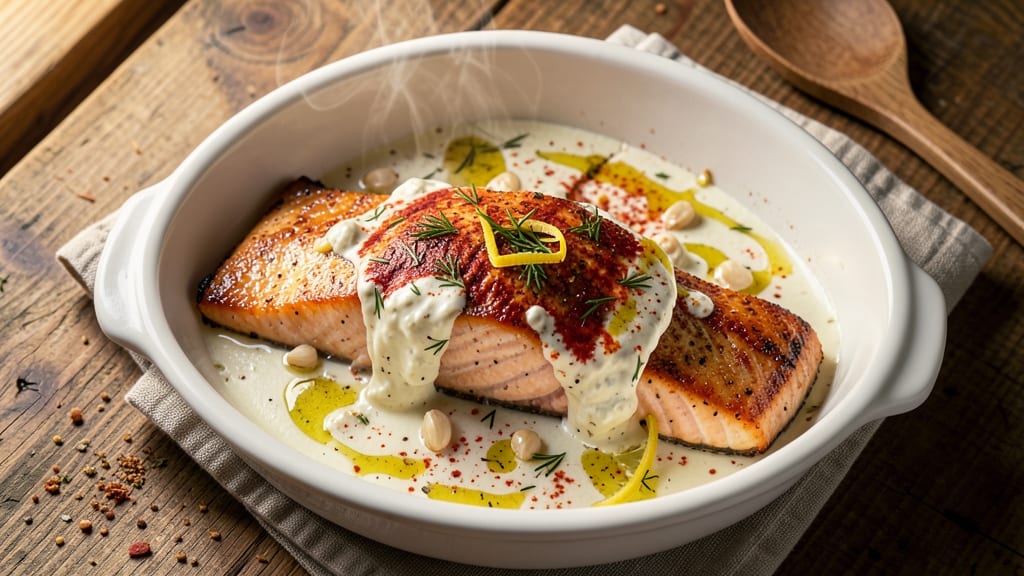
This baked cheese salmon recipe delivers the perfect marriage of crispy, golden skin and a molten cheese center that melts into flaky perfection. The secret lies in a precise baking technique that ensures your salmon stays juicy while the cheese transforms into a creamy, gooey blanket—no overcooking, no guesswork.
I’ve perfected this method after years of testing, and it’s become a go-to for quick yet impressive weeknight dinners that impress even seafood skeptics.
The process is simpler than you’d think: a light marinade enhances the salmon’s natural flavor, while a strategic cheese topping (like cream cheese or goat cheese) ensures that crispy exterior and luscious interior.
Baking at the right temperature—400°F—creates the ideal contrast: a caramelized crust that shatters at the touch, paired with a cheese center that oozes with every bite. No fancy equipment needed, just a baking sheet and a timer.
What you’ll end up with is a dish that looks restaurant-worthy but comes together in under 30 minutes. The salmon emerges with a golden, crackling top, while the melted cheese clings to every flake, adding richness without overpowering the delicate fish flavor.
Serve it with a side of roasted asparagus or a fresh salad to balance the richness, or drizzle with a tangy lemon sauce for brightness.
This recipe isn’t just about the salmon—it’s about transforming a simple protein into something extraordinary with minimal effort. The key is patience (letting the cheese melt just right) and precision (baking time matters).
Once you try it, you’ll never go back to plain baked salmon again. Let’s get to the magic.
Ingredients for baked cheese salmon
Pantry staples plus a few fresh ingredients for that perfect crispy-melty salmon magic.
| Ingredient | Amount | Notes |
|---|---|---|
| Center-Cut Salmon Fillets 🐟 | 4 pieces | Skin-on, 6-8 oz each |
| Cream Cheese 🧀 | 8 oz | Full-fat, room temperature |
| Goat Cheese 🧀 | 4 oz | Crumbled, not spreadable |
| Lemon Juice 🍋 | 2 tbsp | Freshly squeezed |
| Extra-Virgin Olive Oil 🫒 | 2 tbsp | For marinade |
| Garlic Cloves 🧄 | 2 cloves | Minced, 1 tsp total |
| Panko Breadcrumbs 🍞 | ½ cup | For crispy topping |
| Dijon Mustard 🍯 | 1 tbsp | For marinade |
| Fresh Dill 🌿 | 2 tbsp | Chopped, stems removed |
| Salt 🧂 | 1 tsp | Kosher or sea salt |
| Black Pepper 🌶️ | ½ tsp | Freshly ground |
| Paprika 🌶️ | ½ tsp | Smoked for color |
The salmon makes or breaks this—center-cut fillets with skin-on are non-negotiable (they hold shape better). Trader Joe's and Whole Foods have the best quality, but any grocery store with a seafood counter works. Look for fillets with vibrant pink color and firm texture—none of that mushy stuff. The cheese combo is key: cream cheese for richness and goat cheese for tang. Room temperature cheese melts better, so take them out 30 minutes before baking. Fresh dill is ideal, but dried works at one-third the amount if you're in a pinch.
No cream cheese? Mascarpone or ricotta works in a bind (though texture differs slightly). Swap goat cheese for feta or blue cheese if you prefer bolder flavors. The panko is for that crispy crust—Japanese panko is best, but regular breadcrumbs toasted in a dry pan make a decent substitute. Smoked paprika adds color without heat, but regular paprika works too. The marinade can be prepped ahead (store in a jar for up to 3 days), but don't marinate the salmon longer than 30 minutes or it'll get rubbery.
Salmon stays fresh 2 days in the fridge if uncooked—keep it wrapped in paper towels. The cheese mixture can be prepped 1 day ahead and stored in the fridge. Baked salmon reheats poorly, so make it fresh or portion leftovers into single-serving containers for quick meals. The crispy topping loses crunch when reheated, so enjoy it immediately. Store cooked salmon in an airtight container with a paper towel on top to absorb moisture—keeps 3 days in the fridge.
Why You'll Love This Recipe
- No-Fuss Prep: This recipe takes five minutes to assemble—just spread the cream cheese and goat cheese on the salmon, drizzle with olive oil, and pop it in the oven. No chopping, no fuss, and no second-guessing what to make for dinner.
- Creamy Tangy Magic: That combo of cream cheese and goat cheese? It’s like a hug for your taste buds—rich, tangy, and perfectly balanced by the bright lemon juice. The salmon stays moist while the cheese gets golden and slightly crispy on top.
- Weeknight to Weekend: I make this for lazy Tuesdays, but it’s also the star of my Sunday brunch spread. Serve it with crusty bread to soak up the cheese, or pair it with roasted veggies for a fuss-free family meal. Works every time.
- Leftovers That Don’t Suck: Honestly, this reheats better than most takeout. Cold slices in a salad? Yes. Wrapped in a tortilla for lunch? Absolutely. And because salmon’s expensive, I stretch it by using smaller portions—no waste, just flavor.
Step-by-step instructions for baked cheese salmon
Here's how to create that perfect golden crust and creamy center every time.
Prepare the Cheese Marinade
In a mixing bowl, combine the 8 ounces of cream cheese and 4 ounces of goat cheese until smooth. Add the 2 tablespoons of lemon juice, 1 tablespoon of Dijon mustard, 2 tablespoons of chopped fresh dill, 1 teaspoon of salt, ½ teaspoon of black pepper, and ½ teaspoon of paprika. Mix until fully incorporated and creamy.
This blend gives you that signature tangy, herby flavor while keeping the center rich and velvety. I like to use a fork for this step—it helps break up any lumps in the cream cheese while keeping the texture smooth. If the mixture seems too thick, add 1 teaspoon of water at a time until it reaches a spreadable consistency.
Create the Crispy Panko Topping
In a separate small bowl, mix the ½ cup of Panko breadcrumbs with 2 tablespoons of extra-virgin olive oil and 2 cloves of minced garlic. Stir until the breadcrumbs are evenly coated and fragrant. This topping will give you that irresistible crunch on top while adding depth of flavor.
Don't skip the garlic here—it infuses the breadcrumbs with a subtle, aromatic punch that pairs perfectly with the salmon. If you're short on time, you can toast the breadcrumbs in a dry pan for 2-3 minutes before mixing with the oil and garlic for an even crispier texture.
Assemble the Salmon
Preheat your oven to 400°F. Place the 4 center-cut salmon fillets on a parchment-lined baking sheet, skin-side down. Spread an even layer of the cheese mixture over each fillet, leaving about ¼ inch uncovered along the edges. This ensures the cheese doesn't overflow when it melts.
Sprinkle the garlic-infused Panko breadcrumb mixture evenly over the cheese layer. Press down gently to help it adhere. The breadcrumbs should cover the cheese completely but not pile up too thickly—you want that perfect balance of crispy and creamy.
Bake to Golden Perfection
Bake the salmon for 12-15 minutes until the edges are deep golden brown and the cheese is fully melted. The salmon should reach an internal temperature of 145°F when measured at the thickest part. You'll know it's ready when the cheese is bubbling slightly and the breadcrumbs have turned a beautiful golden color.
Here's the thing—I always check the salmon at the 12-minute mark because ovens vary. If the breadcrumbs aren't quite brown enough, pop it back in for another 2-3 minutes. The cheese should be warm and gooey, not runny, and the salmon should flake easily with a fork.
Rest and Serve
Remove the salmon from the oven and let it rest for 3-5 minutes before serving. This brief resting period allows the juices to redistribute, ensuring each bite is moist and flavorful. The cheese will continue to set slightly, giving you that perfect texture—creamy in the center with a crispy, golden crust on top.
Serve immediately with your favorite sides like roasted vegetables, a fresh salad, or some crusty bread to soak up any extra cheese. The contrast of the crispy breadcrumbs, creamy cheese, and tender salmon makes this dish truly special. Enjoy while it's warm for the best experience!
Pro Tips For Making Baked Cheese Salmon
- Dry the Salmon First: Pat those fillets thoroughly with paper towels—don’t just wipe them. Wet skin = steam instead of crispness. I learned this the hard way when my salmon turned out soggy under the cheese blanket. Center-cut fillets are thick; they need that dry start to sear properly.
- Mix Cheeses at Room Temp: Take the cream cheese and goat cheese out of the fridge 15 minutes before mixing. Cold cheese spreads unevenly and won’t melt smoothly. I used to skip this, and the result was lumpy, unappetizing blobs. A quick microwave zap works in a pinch, but your future self will notice the difference.
- Bake at 375°F, Not Higher: Cranking the oven to 400°F sounds faster, but it’ll cook the outside too quickly while the center stays cold. 375°F gives the salmon time to flake perfectly while the cheese melts into a silky blanket. I was skeptical until I tried it—now it’s my non-negotiable.
- Press the Cheese Down Firmly: Don’t just dollop the cheese mixture on top—press it into the salmon with your fingers or the back of a spoon. This guarantees the cheese sticks and melts evenly. I’ve seen it slide off when rushed; a little pressure makes all the difference. (Yes, even if you’re impatient like me.)
Wine and beer pairings for this recipe
Crisp White Wine
For this rich, cheesy salmon, I reach for a dry Riesling from Germany or a Sauvignon Blanc from New Zealand. The bright acidity cuts through the creaminess while complementing the dill and lemon notes in the recipe.
A 2022 Dr. Loosen Blue Slate Riesling (around $25) is my go-to—it’s crisp enough to refresh your palate between bites. 🍷
Light Beer Pairings
A Belgian witbier like Hoegaarden or a German Helles works beautifully with baked salmon. The citrusy notes in witbier mirror the lemon in the recipe, while the light body won’t overwhelm the dish.
For a local option, try a crisp American lager like Corona Extra or Miller Lite—just avoid anything too heavy like stouts or IPAs. 🍺
Bold Red Options
If you prefer red wine, a Pinot Noir with bright acidity and red fruit notes pairs surprisingly well. I love a Oregon Willamette Valley Pinot (try Domaine Serene for around $35).
The earthiness balances the richness without competing with the salmon’s delicate flavor. Avoid heavy Cabernets—they’ll overpower the dish. 🍷
Non-Alcoholic Choices
For a refreshing non-alcoholic option, try a sparkling grape juice like Martinelli’s Sparkling or a ginger beer like Feather’s. The bubbles cleanse your palate, while the ginger adds a subtle kick that pairs well with the salmon’s herby notes. A sparkling water with lemon slices also works beautifully. 💧
Serving Temperature
Wine should be served slightly cooler than room temperature—around 45-50°F for whites and 55-60°F for reds. Beer is best served 40-45°F—pop it in the fridge for 30 minutes before serving. The colder temperature enhances the crispness, making each sip feel refreshing against the warm salmon. ❄️
Nutrition facts
Frequently asked questions
Can I use frozen salmon for this recipe?
Yes, but thaw it properly first! Place frozen salmon in the fridge overnight or use the cold water thaw method (sealed in a leak-proof bag for 30 minutes). Never microwave-thaw—it creates uneven cooking. Pat the fillets completely dry before baking to ensure that perfect crispy crust.
What if my oven runs hot or cold?
Oven temperature can vary by 25°F—use an oven thermometer to verify accuracy. If your oven runs hot, reduce to 375°F and check at 14 minutes. For cold ovens, increase to 425°F and watch after 10 minutes. The breadcrumbs should be golden, not browned—this indicates doneness.
Can I make this ahead of time?
Prepare the cheese mixture and breadcrumb topping 1 day ahead and store separately in the fridge. Assemble the salmon up to 4 hours before baking (keep refrigerated). For best results, bake fresh—reheating causes the breadcrumbs to lose crispness and the cheese to separate.
What's the best cheese substitute if I don't have goat cheese?
Try feta (for saltiness) or blue cheese crumbles (for bold flavor). For a milder option, use ricotta mixed with 1 teaspoon of lemon zest. Reduce other liquid ingredients by 1 tablespoon if using feta, as it's saltier. The texture will differ slightly but still deliver that creamy center.
Why did my cheese spread instead of staying put?
This happens when the salmon is too cold or the cheese mixture is too runny. Ensure your salmon is at room temperature (30 minutes out of fridge) and spread the cheese ¼ inch thick—thinner layers melt more evenly. Press the breadcrumbs gently to help them adhere. For extra grip, lightly brush the salmon with 1 teaspoon of olive oil before adding cheese.