
Main Courses
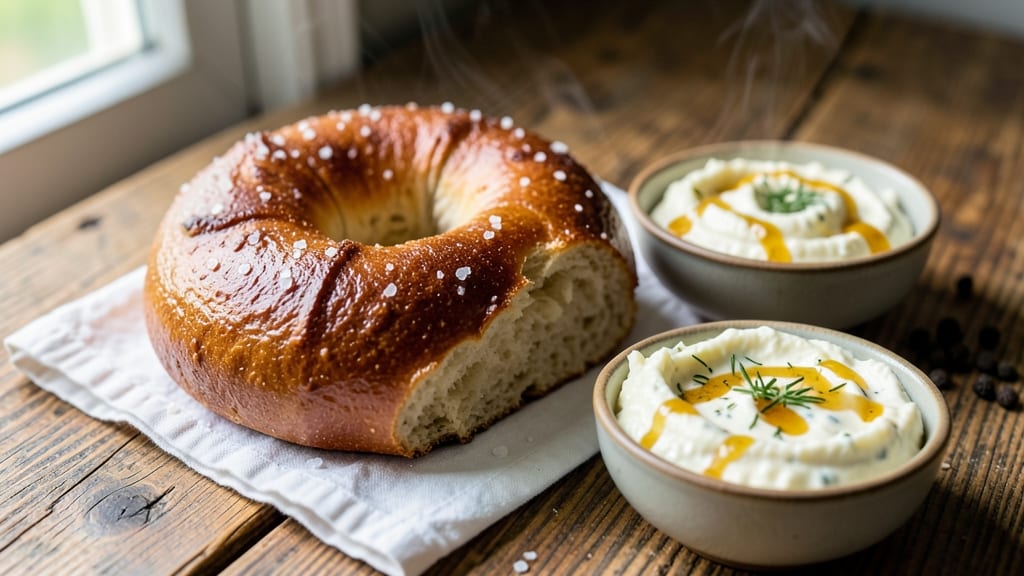
This bagel recipe with cottage cheese and flour delivers the perfect balance of crispy crust and tender interior—with a tangy bite that keeps you reaching for seconds. 💛 I developed this twist after years of experimenting with traditional bagel recipes, and the cottage cheese makes all the difference, adding a subtle creaminess that holds up beautifully during baking.
The secret to these bagels lies in the dough preparation: cottage cheese replaces some of the water, creating a lighter texture while still maintaining that signature chew.
Kneading the dough thoroughly develops gluten for that classic bagel bite, and boiling them in water before baking ensures a crispy crust without drying out the interior. It’s a foolproof method that delivers restaurant-quality results at home.
What you’ll end up with is golden-brown bagels with a satisfying crackle when you bite into them—crispy on the outside, soft and slightly chewy inside, with pockets of tangy cottage cheese flavor throughout. The aroma alone will have everyone gathering around your kitchen, and the taste? Pure comfort food magic.
Perfect for breakfast, snacking, or even a savory brunch spread, these bagels are versatile enough to enjoy plain or topped with your favorite spreads. Let’s get started—your kitchen is about to smell like a New York deli!
Ingredients for bagel recipe with cottage cheese and flour
Six ingredients transform into golden bagels with that perfect crispy-tangy balance—no fancy gear needed.
| Ingredient | Amount | Notes |
|---|---|---|
| All-Purpose Flour 🌾 | 4 ½ cups | High-protein for best chew |
| Cottage Cheese 🧀 | 1 ½ cups | Full-fat, 2% or 4% |
| Active Dry Yeast 🍞 | 1 tbsp | Fresh yeast at half amount |
| Granulated Sugar 🍚 | 1 tbsp | Feeds yeast activation |
| Salt 🧂 | 1 ½ tsp | Kosher or sea salt |
| Water 💧 | 1 ½ cups | Room temperature preferred |
| Olive Oil 🫒 | 1 tbsp | Light or extra-virgin |
| Topping Seeds 🌰 | 1 tbsp | Sesame or poppy seeds |
| Egg Wash 🥚 | 1 whole | Optional for golden crust |
| Baking Soda 🧪 | 1 tsp | For boiling water |
| Sesame Oil 🫒 | 1 tsp | For brushing after baking |
The cottage cheese is non-negotiable here—full-fat makes all the difference for that rich, chewy texture. Kroger's or Trader Joe's usually have the best-priced tubs, but any 2% or 4% will work. The flour? King Arthur or Gold Medal are my go-tos—they've got that high-protein kick for that classic bagel bite. If you're using instant yeast, skip the proofing step, but active dry yeast needs that 5-minute soak in warm water with sugar to wake it up. Trust me, it's worth the wait for that perfect rise.
No cottage cheese? Plain Greek yogurt works in a pinch—same tangy vibe. Running low on sesame seeds? Poppy seeds or everything bagel seasoning gives that same crunchy finish. The olive oil can be swapped for vegetable or canola oil if that's what you've got. For the egg wash, milk + 1 tbsp melted butter is a great substitute if you're avoiding eggs. And if you're making a big batch, double the dough recipe—these freeze beautifully for up to 3 months.
These bagels are at their best the day they're made, but the leftovers? Toaster magic brings them back to life. Store wrapped in a clean kitchen towel to keep that chewy texture. For freezing, shape them first, then toss in flour before stacking between parchment paper. 2-3 months in the freezer, and they still toast up like fresh. Pro tip: Brush with sesame oil right after baking—adds that authentic deli flavor and keeps them crispy for days.
Why You'll Love This Recipe
- Same dough, endless uses: toast it for breakfast with cream cheese, slice it for sandwiches, or even bake it into a quick flatbread. My kids grab these straight from the fridge—no reheating, no complaints.
- No-Knead Nightmare Solved: I swear by this dough—just mix, rest, and roll. No stand mixer, no overworking, just a bowl and your hands. The cottage cheese keeps it tender without the fuss of butter or eggs.
- Tangy Twist You’ll Crave: That first bite? The yeasty chew meets the creamy, slightly salty bite of cottage cheese—like a bagel’s soul got a flavor upgrade. Honestly, I’ve tried store-bought, but this tastes like home made.
- Breakfast or Snack Hero: Same dough, endless uses: toast it for breakfast with cream cheese, slice it for sandwiches, or even bake it into a quick flatbread. My kids grab these straight from the fridge—no reheating, no complaints.
Step-by-step instructions for crispy-crusted cottage cheese bagels
Here's how to make bagels with a chewy center and perfectly crispy crust—every bite delivers that tangy cottage cheese surprise.
👨🍳 Step 1: Mix the Dough with Cottage Cheese Magic
In a large bowl, combine the 4.5 cups all-purpose flour and 1.5 tsp salt. Make a well in the center and add the 1 tbsp active dry yeast, 1 tbsp granulated sugar, 1.5 cups cottage cheese, and 1.5 cups water at room temperature. The cottage cheese will create a denser, creamier texture—this is what makes these bagels special.
Mix with a wooden spoon until a shaggy dough forms, then turn it out onto a lightly floured surface. Knead for 8-10 minutes until smooth and elastic. The dough should be slightly tacky but not sticky. Here's the thing—cottage cheese makes the dough softer, so don't overwork it. If it feels too sticky, add just 1 tablespoon more flour at a time until it comes together nicely.
🥘 Step 2: Shape and Boil for That Classic Bagel Crust
Divide the dough into 6 equal pieces (about 4 ounces each). Roll each piece into a 12-inch rope, then shape into a ring by joining the ends. Press gently to seal. The secret to crispy bagels? Boiling! Bring a large pot of water to a rolling boil and dissolve 1 tsp baking soda in it—this helps create that signature crust.
Boil 2 bagels at a time for 30-45 seconds until they float. You'll see tiny bubbles form on the surface—that's your signal. Use a slotted spoon to transfer them to a baking sheet lined with parchment paper. Repeat with remaining bagels. Don't skip this step—boiling develops that crispy exterior we're after.
🔥 Step 3: Bake Until Golden and Crispy
Preheat your oven to 425°F. Brush the boiled bagels with 1 tbsp olive oil (this adds flavor and helps with browning) and sprinkle generously with 1 tbsp topping seeds—sesame or poppy work perfectly. Bake for 20-25 minutes until they're deep golden brown all over. You want that crispy crust with a chewy interior.
Here's where it gets fun—rotate the baking sheet halfway through for even browning. If you're using the egg wash, brush it on right before baking for extra shine. The bagels are done when they sound hollow when tapped on the bottom. If they're browning too fast, tent with foil to prevent burning.
🍽️ Step 4: Finish with Sesame Oil for Extra Flavor
Let the bagels cool on a wire rack for 10 minutes before serving. While they're still warm, brush the tops with 1 tsp sesame oil for that nutty aroma and extra crispiness. This step makes all the difference—it adds a subtle toasted flavor that pairs perfectly with the tangy cottage cheese inside.
Slice them open to reveal that creamy cottage cheese center surrounded by crispy crust. Serve warm with cream cheese, smoked salmon, or your favorite bagel toppings. The contrast of textures and flavors is what makes these bagels truly special—crispy outside, soft and cheesy inside!
Pro Tips For Making Bagel Recipe With Cottage Cheese And Flour
- Boil Water Like a Pro: Use a rolling boil for 3-4 minutes before boiling the bagels—this ensures the water is hot enough to set the crust properly. I learned this the hard way when my first batch came out dense instead of chewy. Also, add 1 tablespoon of vinegar to the water; it keeps the bagels from absorbing too much water and turning gummy.
- Strain the Cottage Cheese: Drain the cottage cheese in a fine-mesh strainer for 10-15 minutes before mixing it into the dough. This removes excess liquid, which prevents the dough from becoming sticky and hard to handle. Trust me, you’ll thank yourself when shaping turns into a breeze instead of a mess.
- Don’t Overwork the Dough: Mix the dough just until combined—overworking it develops gluten too much, and your bagels will turn out tough instead of tender. After adding the cottage cheese, stop mixing as soon as the ingredients come together. This recipe relies on the cottage cheese for moisture, not extra kneading.
- Let the Dough Rest Longer: Give the dough a first rise of 1.5–2 hours (longer than usual) because cottage cheese slows fermentation. After shaping, let the bagels proof for another 30–45 minutes—the extra time lets the yeast work through the dense cottage cheese, giving you that classic bagel chew. Patience here makes all the difference.
Make-ahead tips for this recipe
Dough Prep Ahead
Mix your dough the night before and let it rise overnight in the refrigerator for a slower, more flavorful fermentation. I cover mine tightly with plastic wrap and place it in the fridge for 8-12 hours.
This cold rise develops deeper flavor and makes shaping easier—no more sticky dough struggles in the morning! The cottage cheese actually benefits from this extra time, creating a more tender crumb. 💛
Bagel Shaping Shortcut
Shape your bagels ahead and store them on a floured tray in the fridge for up to 24 hours before boiling and baking. I like to boil them fresh the next morning when I'm ready to bake.
For even more convenience, wrap shaped bagels in plastic wrap and freeze them—just thaw at room temperature for 30 minutes before boiling as usual. The texture stays perfect!
Boiling Prep
Set up your boiling station the night before: fill a large pot with water and dissolve the 1 tsp baking soda. Cover and store at room temperature. When you're ready to boil, just bring it to a rolling boil.
I keep a slotted spoon nearby and have parchment paper ready on my baking sheet. This saves precious morning time and keeps everything organized. ⏰
Baking Schedule
Preheat your oven while the bagels are boiling—this keeps your kitchen running smoothly. I bake mine in batches of two to avoid crowding, which can lead to uneven browning.
For a full batch of six, preheat for 15 minutes before the first batch goes in, then maintain the temperature between batches. The oven stays hot enough to continue baking without extra preheating time. 🔥
Storage Solutions
Store freshly baked bagels in an airtight container at room temperature for 2-3 days, or freeze them for up to 3 months. I like to wrap individual bagels in parchment paper before storing them in a freezer bag.
To reheat, toast directly from frozen in a toaster or warm in a 350°F oven for 5-7 minutes until crispy again. The cottage cheese stays creamy through freezing!
Topping Variations
Prepare your topping seeds ahead of time by mixing them with a tiny bit of flour in small bowls. This prevents them from sticking to your fingers when sprinkling. I keep sesame oil in a small squeeze bottle for easy brushing after baking.
For extra flavor, mix 1 tsp garlic powder into the seeds before sprinkling—it adds a delicious savory kick that pairs perfectly with the cottage cheese. ✨
Nutrition facts
Frequently asked questions
Why does cottage cheese make bagels chewier?
The cottage cheese adds moisture and protein that creates a denser, more elastic dough structure. The curds help develop gluten during kneading, resulting in that signature chewy texture. Plus, it adds a subtle tanginess that traditional bagel recipes miss!
Can I make these bagels without boiling them?
Technically yes, but you'll lose that signature crispy crust. Boiling creates a Maillard reaction that gives bagels their signature snap. If you skip it, bake them directly from room temperature at 400°F for 25-30 minutes, but they'll be softer and less crispy.
How do I fix dough that's too sticky?
Add flour 1 tablespoon at a time while kneading—just enough to make it smooth but not dry. The cottage cheese makes the dough softer, so resist over-flouring. If it's still too sticky, let it rest for 10 minutes covered with a damp towel before shaping.
What's the best way to reheat stale bagels?
Toast them in a toaster or oven at 350°F for 5-7 minutes until crispy again. For extra flavor, brush with sesame oil before reheating. Microwaving works in a pinch, but it makes them gummy—always avoid that!
Can I use low-fat cottage cheese?
It'll work, but full-fat gives the best texture and flavor. Low-fat versions can make the bagels denser. If using low-fat, add 1 extra tablespoon of olive oil to compensate for the reduced fat content. The flavor difference is noticeable!