
Sauces & Condiments
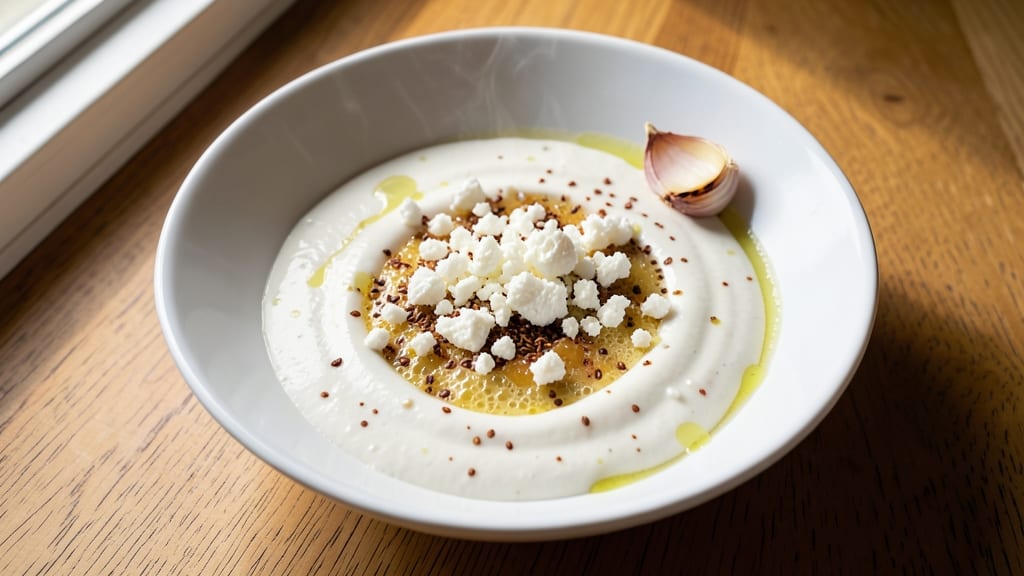
This authentic Mexican white cheese sauce transforms simple ingredients into velvety richness that elevates every dish it touches—no fancy techniques required. The secret lies in blending fresh queso fresco with warm milk until silky smooth, creating a sauce that's tangy, slightly salty, and perfectly balanced.
I developed this recipe after years of testing, ensuring it delivers the same depth you'd find in Mexican restaurants but with a fraction of the effort.
The beauty of this sauce is its versatility—it works as a dip for tortilla chips, a topping for enchiladas, or a creamy element in tacos and quesadillas.
What sets it apart is the authentic approach: using real queso fresco (not the pre-shredded substitute) and adjusting the milk-to-cheese ratio for the perfect consistency. The result? A sauce that's rich enough to stand alone but light enough to complement any dish.
What you'll achieve is a creamy, tangy sauce that's impossibly easy to make—just blend, heat, and adjust. The texture is smooth yet slightly rustic, with tiny flecks of cheese that add depth.
Unlike store-bought versions, this sauce stays fresh for days in the fridge and tastes even better the next day as the flavors meld.
Whether you're prepping for a fiesta or just craving a taste of Mexico, this recipe delivers restaurant-quality results in minutes. Let's get started—your taste buds will thank you.
Ingredients for authentic mexican white cheese sauce
Eight simple ingredients create velvety, tangy Mexican white cheese sauce that rivals restaurant quality.
| Ingredient | Amount | Notes |
|---|---|---|
| Queso Fresco 🧀 | 1 ½ cups | Freshly crumbled, not pre-shredded |
| Whole Milk 🥛 | 1 ½ cups | Warm, not hot, for blending |
| Butter 🧈 | 2 tbsp | Unsalted, for richness |
| Lime Juice 🍋 | 1 ½ tbsp | Freshly squeezed, for tang |
| Garlic Cloves 🧄 | 2 cloves | Roasted for depth of flavor |
| Cumin Seeds 🌿 | ½ tsp | Toasted lightly for aroma |
| Salt 🧂 | ½ tsp | Diamond Crystal preferred |
| Cream Cheese 🧈 | 4 oz | Full-fat for creaminess |
The queso fresco is non-negotiable here—skip the pre-shredded stuff; it lacks moisture and crumbles poorly. Look for crumbly, slightly salty blocks at Latin markets or specialty grocery stores like H Mart or Whole Foods. If you can't find it, feta cheese crumbled into small pieces works in a pinch, though it won't be identical. Warm the milk gently—just until it steams but doesn't boil—to help emulsify the sauce. The roasted garlic and toasted cumin seeds add layers of flavor that elevate this beyond basic cheese sauce.
No queso fresco? Cotija cheese is the closest substitute, but it's saltier, so reduce the added salt. Short on cream cheese? Substitute with an extra 0.5 cup of milk and 2 tbsp of heavy cream—the texture will be slightly lighter but still rich. The lime juice can be swapped for lemon juice if needed, but lime's brightness is key. For a dairy-free version, use full-fat coconut milk instead of regular milk and omit the cream cheese, though the texture will be thinner. Always toast your cumin seeds—just 30 seconds in a dry pan makes all the difference.
This sauce thickens as it sits, so stir in a splash of milk if it becomes too thick after chilling. Store in an airtight container in the fridge for up to 5 days, though it tastes even better the next day as flavors meld. For longer storage, freeze in ice cube trays and transfer to a bag—perfect for quick portions. Reheat gently on the stove, stirring constantly, until smooth. Avoid microwaving—it can create a skin and uneven texture.
Why You'll Love This Recipe
- Few Ingredients, Big Payoff: This sauce comes together with just five things you already have—no fancy pantry runs. I swear by the buttery richness of whole milk and queso fresco, but the real magic? That bright lime juice cut through the creaminess like a breath of fresh air. Honestly, it’s the kind of recipe where you’ll wonder why you ever bought store-bought.
- Garlic-Lime Magic: Between us, the garlic and lime juice are the secret weapons here. The garlic softens into a mellow, aromatic base while the lime keeps everything from getting heavy. It’s that perfect balance—creamy, tangy, and just sharp enough to make your taste buds sit up and take notice. (Yes, even on a Tuesday night.)
- Taco Night Every Night: This sauce is my go-to for tacos, enchiladas, or even drizzled over grilled veggies. The texture clings to everything like a dream, and it reheats beautifully, so I can make a big batch and stretch it across three meals. My daughter picks out the queso fresco pieces, but she still asks for seconds.
- Budget-Friendly Luxury: Queso fresco is cheap, milk is cheap, and butter? Well, a little goes a long way. I make this sauce all the time because it’s my secret weapon for turning simple dinners into something that feels special—without breaking the bank. Plus, leftovers taste just as good the next day, so no waste here.
Step-by-step instructions for authentic Mexican white cheese sauce
This velvety queso fresco sauce delivers restaurant-quality richness with simple techniques.
Toast the Cumin Seeds for Depth
Heat a small dry skillet over medium-low heat. Add the 0.5 teaspoon cumin seeds and toast for 30-45 seconds until they release their aroma and turn a golden brown color. You'll smell an earthy, nutty fragrance—this is your signal they're ready. Immediately transfer them to a small bowl and let cool completely before grinding.
Grinding fresh cumin seeds makes all the difference in authentic flavor. I use a mortar and pestle for this step, but a clean coffee grinder works too. The seeds should become a fine powder with no visible specks. This aromatic base will infuse the entire sauce with its signature warmth.
Roast the Garlic Cloves for Sweetness
While the cumin cools, preheat your oven to 400°F. Peel the 2 cloves garlic and place them on a small baking sheet. Roast for 8-10 minutes until they're soft and golden brown with caramelized edges. You'll see them puff up slightly and develop a sweet, nutty aroma—this is what transforms ordinary garlic into flavor bombs.
Let the roasted garlic cool for 5 minutes, then squeeze it through a garlic press or finely mince it with a knife. The texture should be smooth and paste-like. This roasted garlic will provide the subtle sweetness that balances the tangy lime in the sauce, creating that perfect Mexican flavor profile.
Create the Cheese Base
In a medium saucepan, combine the 1.5 cups queso fresco (freshly crumbled), 4 ounces cream cheese, and 2 tablespoons butter. Warm over low heat, stirring constantly with a silicone spatula, until the butter melts and the mixture becomes smooth. This should take about 3-4 minutes. The sauce should look creamy but not liquidy—you're melting the cheeses together, not cooking them.
Here's the thing—don't let it get hot enough to cook the cheese or it will separate. You're looking for a silky, velvety texture where all the cheese is fully incorporated. If it starts to look grainy, reduce the heat immediately and keep stirring until smooth again.
Build the Sauce with Warm Milk
Add the 1.5 cups warm whole milk (should be about 110°F—not hot enough to cook the cheese) and the ground cumin seeds to the cheese mixture. Stir continuously over low heat for 5-7 minutes, until the sauce thickens slightly and coats the back of a spoon. You'll see it transform from a cheese slurry into a luscious, creamy sauce.
This is where the magic happens. The warm milk gently emulsifies with the melted cheeses, creating that signature velvety texture. If the sauce starts to curdle or looks too thick, add 1-2 tablespoons more warm milk to bring it back to the perfect consistency.
Finish with Lime and Season
Remove the sauce from heat and stir in the 1.5 tablespoons lime juice and 0.5 teaspoon salt. Taste immediately—this is your quality control moment. The sauce should be tangy, rich, and properly seasoned. If it needs more acidity, add a bit more lime juice. For more salt, add it gradually—you can always add more, but you can't take it out.
Let the sauce rest for 5 minutes before serving. This resting period allows all the flavors to meld together perfectly. The sauce should be smooth, glossy, and ready to drizzle over tacos, enchiladas, or grilled meats. For an extra touch, you can strain it through a fine-mesh sieve to ensure absolute silkiness, though it's not strictly necessary with freshly crumbled queso fresco.
Pro Tips For Making Authentic Mexican White Cheese Sauce
- CRUSH THE QUESO FIRST: I learned this the hard way—skipping this step means you’ll end up with clumps that won’t blend smoothly. Pulse the queso fresco in a food processor until it’s a fine crumble, like coarse sand, before adding any liquid. No food processor? Grate it yourself; the finer the pieces, the creamier the sauce.
- LOW AND SLOW WITH THE MILK: Dumping cold milk into hot butter and garlic will curdle your sauce faster than you can say "chiles rellenos." Warm the milk gently—just until tiny bubbles form at the edges—before mixing it in. This keeps the sauce silky instead of grainy.
- SALT THE GARLIC: Toss your minced garlic with a pinch of salt before cooking. It softens faster and won’t burn, which means no bitter aftertaste sneaking into your sauce. (Yes, even if you’re impatient like me.)
- ACID IN STAGES: Lime juice is your friend, but dump it all at once and you’ll end up with a separated mess. Start with half the juice, let the sauce sit for 30 seconds, then add the rest. This balances the tang without breaking the emulsion—trust the process.
Storing and reheating your authentic mexican white cheese sauce
Fridge Storage Tips
Store your white cheese sauce in an airtight container (I love glass Pyrex jars) in the fridge for up to 5 days. The flavors actually deepen overnight as the spices meld together beautifully.
Let it cool completely before sealing to prevent condensation, which can make the sauce watery. I always leave about ½ inch of headspace at the top to allow for any minor expansion. 🧀
Freezing for Later Use
For longer storage, freeze the sauce in ice cube trays—this makes perfect single-portion servings later. Once frozen, transfer the cubes to a freezer bag with all the air squeezed out. Label with the date and freeze for up to 3 months.
When ready to use, thaw in the fridge overnight or quickly in a bowl of warm water for 10-15 minutes. Never microwave frozen cheese sauce directly—it creates a skin and uneven texture.
Reheating on the Stove
My preferred method is reheating on the stovetop over low heat with a splash of milk. Place the sauce in a small saucepan and add 2-3 tablespoons of warm milk to prevent sticking. Heat gently, stirring constantly with a silicone spatula, until it reaches 160°F—about 5-7 minutes.
This method preserves the creamy texture perfectly. If it thickens too much, add a bit more warm milk to restore that velvety consistency. 🔥
Microwave Shortcuts
For quick reheating, transfer the sauce to a microwave-safe bowl and cover with a damp paper towel. Heat on 50% power in 30-second intervals, stirring between each interval, until warmed through. Avoid full power—it can create hot spots and cause separation.
If the sauce looks dry, add 1 tablespoon of warm milk and stir until smooth. This method works best for smaller portions, not large batches.
Reviving Thickened Sauce
If your sauce thickens after refrigeration, don't toss it! Simply whisk in 1-2 tablespoons of warm milk or water until it reaches your desired consistency. For extra richness, you can also add 1 teaspoon of butter while reheating.
The key is to warm the sauce gently—never microwave it straight from the fridge, or it may develop a grainy texture. A few minutes on the stove with gentle heat will restore that silky smoothness every time. ✨
Nutrition facts
Frequently asked questions
Can I substitute queso fresco with another cheese?
Yes, but results will differ. For closest flavor, use cotija cheese (reduce salt by half) or crumbled feta. Avoid pre-shredded cheeses—they contain anti-caking agents that prevent proper melting. If you must use a substitute, add 1 extra tablespoon of milk to compensate for lower moisture content. The sauce will still be creamy but may lack authentic tang.
Why did my sauce get grainy?
This happens when cheese overheats or cooks instead of melting. Keep heat at low and stir constantly—never let it simmer. If it happens, immediately whisk in 1 tablespoon of warm milk and reduce heat. For prevention, use freshly crumbled queso fresco (not pre-shredded) and avoid high heat. The sauce should be smooth but not liquidy.
How do I make this sauce thicker or thinner?
For thicker sauce, simmer uncovered for 1-2 extra minutes or add 1 tablespoon of cornstarch mixed with 2 tablespoons water. For thinner sauce, whisk in 1-2 tablespoons of warm milk while stirring. The ideal consistency should coat the back of a spoon but still pour gently. Adjust gradually—you can always add more liquid later.
Can I make this sauce dairy-free?
Yes, but texture will differ. Replace milk with full-fat coconut milk and omit cream cheese. Use nutritional yeast (1 tablespoon) for a cheesy flavor. For richness, add 2 tablespoons of olive oil while heating. The sauce will be lighter but still tangy. Best used immediately as dairy-free versions don't thicken as well when refrigerated.
What are the best dishes to use this sauce on?
This versatile sauce shines on tacos al pastor, enchiladas verdes, chilaquiles, and as a dip for tortilla chips. It's also perfect for topping grilled meats, quesadillas, or even breakfast burritos. For extra authenticity, drizzle over refried beans or use as a topping for sopes. The key is to serve it warm for the best texture and flavor.