
Appetizers
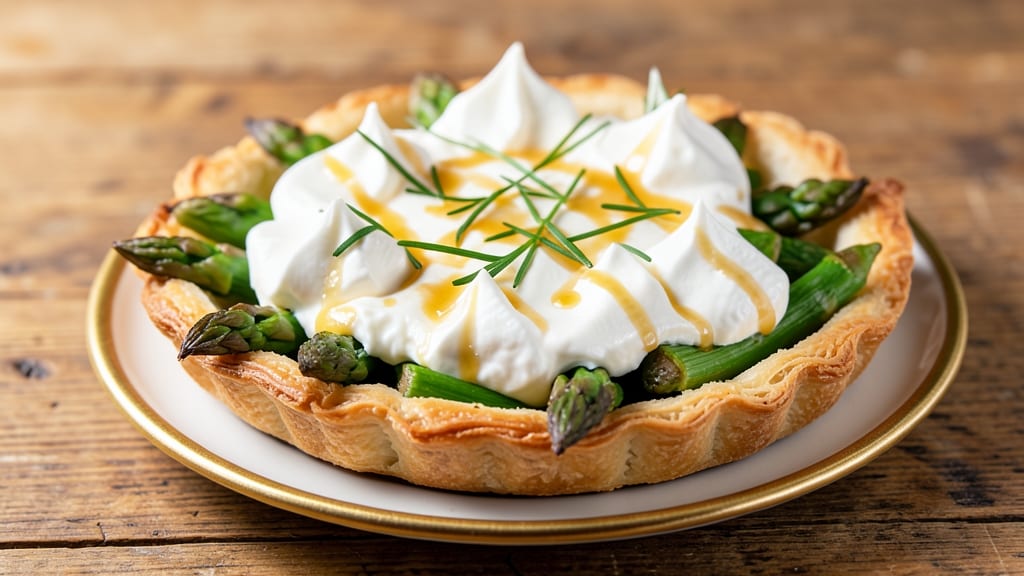
This asparagus goat cheese and tarragon tart recipe delivers restaurant-quality appetizers with a crispy golden crust and herby cheese rivers that melt in your mouth. ✨ The secret lies in a perfectly balanced filling—tender asparagus spears, tangy goat cheese, and fresh tarragon—that transforms simple ingredients into an elegant bite.
I developed this recipe after years of perfecting the art of tart assembly, ensuring every layer works together for maximum flavor and texture.
The foundation starts with a foolproof puff pastry crust that bakes to a delicate crunch, while the filling combines whipped goat cheese with finely chopped asparagus and tarragon for a bright, aromatic center.
What makes these tarts truly special is the technique of creating those signature cheese "rivers"—a simple yet impressive detail that elevates them from appetizer to showstopper. Each bite offers a perfect harmony of textures and flavors, from the crispy crust to the creamy, herby filling.
By the time these tarts emerge from the oven, they'll be golden and bubbling, with the cheese melted into delicate rivers that glisten under the light. The aroma of tarragon and asparagus will fill your kitchen, making it impossible to resist serving them immediately.
These tarts are elegant enough for dinner parties but simple enough for a weeknight gathering, proving that impressive appetizers don't require complicated techniques.
Serve them warm with a side of fresh salad or crusty bread to soak up any remaining cheese. The recipe scales easily, so you can make just a few for a small gathering or a full tray for a crowd.
Let's get started on creating these crispy, herby, and utterly delicious tarts!
Ingredients for asparagus goat cheese and tarragon tart
Six ingredients transform into elegant tarts with crispy crusts and herby cheese rivers.
| Ingredient | Amount | Notes |
|---|---|---|
| Puff Pastry Sheets 🥧 | 1 sheet | Store-bought or homemade, thawed |
| Asparagus Spears 🌱 | 1 ½ lb | Thin, trimmed ends, blanched |
| Goat Cheese 🧀 | 8 oz | Creamy, room temperature |
| Fresh Tarragon 🌿 | ¼ cup | Finely chopped, stems removed |
| Heavy Cream 🥛 | ¼ cup | Cold, for whipping |
| Egg Yolk 🥚 | 1 whole | For egg wash |
| Unsalted Butter 🧈 | 2 tbsp | Melted, for brushing |
| Salt 🧂 | ½ tsp | Fine sea salt |
| Black Pepper 🌶️ | ¼ tsp | Freshly cracked |
| Lemon Zest 🍋 | 1 tsp | Bright, fresh lemon |
| All-Purpose Flour 🌾 | 1 tbsp | For dusting |
| Olive Oil 🫒 | 1 tbsp | For brushing tart pans |
| Parchment Paper 📄 | 1 sheet | For tart assembly |
The puff pastry is non-negotiable for that signature crispy texture—store-bought sheets from Whole Foods or Trader Joe's work perfectly. Look for all-butter varieties if you want extra richness, but classic puff pastry will deliver. The asparagus should be thin and tender—blanching for 2 minutes in boiling water before chopping preserves its bright color and crisp texture. For the goat cheese, Crofter's or Murray's brands are my go-to for their creamy consistency, but any soft, tangy variety will work. Fresh tarragon is essential here—dried won’t give that same bright, anise-like flavor, so grab a bunch from the grocery store’s fresh herb section.
No fresh tarragon? Dried tarragon at half the amount works in a pinch, though it lacks that signature aroma. Substituting goat cheese? Cream cheese or mascarpone can mimic the texture, but you’ll lose that tangy depth. For the asparagus, fava beans or snap peas add a similar freshness if you’re out of season. The egg wash is crucial for that golden crust—don’t skip it! If you’re making these ahead, whip the goat cheese filling just before assembly to keep it light. The lemon zest brightens everything, so use a Microplane for fine, fragrant strips. For the tart pans, 6-ounce ramekins work perfectly, but any 2-3 inch diameter will do.
Assemble the tarts up to 24 hours ahead and refrigerate—they’ll hold their shape better. Brush the crusts with melted butter right before baking for extra crispiness. These tarts reheat beautifully—350°F for 5-7 minutes restores that golden finish. Store leftovers in an airtight container for up to 3 days, though I’ve never had them last that long. The cheese rivers are the star, so serve immediately if possible—they soften slightly when warm. For a crowd, double the recipe and use a half-sheet pan for easy baking.
Why You'll Love This Recipe
- Puff Pastry Magic: I swear by this recipe for lazy days—just roll out the dough, fold, and bake. No fussing with pie crusts or blind-baking; the flaky layers handle everything while you focus on the filling.
- Tarragon-Kissed Cream Dream: That bright, anise-like tarragon in the heavy cream? It’s the secret weapon. The goat cheese softens just enough to melt into the asparagus, while the tarragon lingers like a whisper of spring in every bite.
- Weeknight to Weekend: Make a big batch on Sunday—it reheats beautifully for lunches or dinner guests. The asparagus holds up surprisingly well, and the tart’s sturdy enough to pack for picnics (yes, even the ones where you forget the cooler).
- Budget-Friendly Luxe: Goat cheese might sound fancy, but a small log stretches far when mixed with cream. Fresh tarragon? A few sprigs go a long way. You’re basically serving gourmet without the grocery-shocking price tag.
Step-by-step instructions for asparagus, goat cheese, and tarragon tarts
Here's how to create golden, flaky tarts with herby goat cheese rivers and tender asparagus.
👨🍳 Step 1: Blanch and Prep the Asparagus
Bring a large pot of salted water to a rolling boil. Add the 1.5 lb asparagus spears and blanch for 2 minutes until bright green and tender-crisp. Immediately drain and plunge into ice water to stop the cooking process. Drain again and pat completely dry with paper towels.
Trim the tough ends and cut the spears into 1-inch pieces. The blanching ensures they stay vibrant and crisp-tender when baked later. Keep them covered until ready to use to prevent drying out. I like to do this step first so the asparagus can rest while I prepare the filling.
🍳 Step 2: Make the Tarragon Goat Cheese Filling
In a medium bowl, combine the 8 oz goat cheese, 0.25 cup cold heavy cream, 1 whole egg yolk, 0.5 tsp salt, 0.25 tsp black pepper, and 1 tsp lemon zest. Mix gently with a silicone spatula until just combined—don't overmix or the filling will become dense.
Fold in the 0.25 cup finely chopped fresh tarragon until evenly distributed. The mixture should be smooth and slightly thick but still spreadable. Taste and adjust seasoning if needed. Cover and refrigerate while you prepare the pastry—this chilling helps the flavors meld and makes the filling easier to work with later.
🥘 Step 3: Assemble the Tarts with Perfect Layers
Preheat your oven to 375°F. Roll out the 1 sheet puff pastry on a lightly floured surface until it's about ⅛-inch thick. Using a 4-inch round cutter (or a glass), cut out 6 circles. Place them on a parchment-lined baking sheet and prick all over with a fork to prevent puffing.
Brush the bottoms lightly with the 1 tbsp olive oil and bake for 12-15 minutes until golden brown and crisp. Remove from oven and let cool for 5 minutes. While still warm, brush the insides with the 2 tbsp melted unsalted butter—this adds extra richness and helps the filling stick.
🥘 Step 4: Fill and Bake to Golden Perfection
Spoon about 2 tablespoons of the goat cheese mixture into each tart shell, spreading it evenly to the edges. Arrange 3-4 asparagus pieces on top of each filling, pressing them gently into the cheese. Dust the edges lightly with the 1 tbsp all-purpose flour to create a crispy border.
Bake for 18-22 minutes until the filling is just set and the edges are deep golden brown. The cheese should be slightly melted but still hold its shape. If the tops brown too quickly, loosely cover with foil for the last 5 minutes of baking. Watch carefully—puff pastry burns fast!
⏰ Step 5: Rest and Serve Warm
Let the tarts rest for 10 minutes before serving. This resting period allows the filling to firm up slightly and makes slicing cleaner. The pastry will be crisp, the cheese rivers will be creamy with just a hint of tang, and the asparagus will be perfectly tender with a bright green color.
Serve warm with a simple arugula salad or crusty bread to soak up any extra cheese. The combination of crispy pastry, herby goat cheese, and spring asparagus makes these tarts perfect for brunch or an elegant appetizer. Store leftovers covered at room temperature for up to 2 hours—they don't reheat well.
Pro Tips For Making Asparagus Goat Cheese And Tarragon Tart
- Blanch Asparagus First: Drop the spears into boiling water for 30 seconds before baking—this softens them just enough so they don’t stay crunchy when the tart finishes. I learned this the hard way after biting into a tart where the asparagus was still rock-hard underneath the creamy filling.
- Chill the Goat Cheese: Take the goat cheese out of the fridge 10 minutes before using—it should be soft enough to spread but not runny. If it’s too warm, the tart filling will separate; if too cold, it’ll clump. Room temperature is your friend here.
- Skip the Overcrowded Oven: Bake the tart on the middle rack with at least 2 inches of space around it. I used to stack tarts or cram them into a crowded pan, and the puff pastry would turn soggy instead of golden. Give it air to rise properly.
- Whisk the Cream Cold: Use heavy cream straight from the fridge when mixing with tarragon—it won’t separate as easily when baked. I was skeptical until I tried it; now I never risk a greasy filling. A splash of milk thinned it out just enough to coat the asparagus nicely.
Common mistakes when making great asparagus goat cheese and tarragon tart
Overfilling the Tarts
One of the most common mistakes is overfilling the tart shells, which causes the cheese to overflow or the crust to become soggy. I've learned that 2 tablespoons of filling per tart is the perfect amount—any more risks a messy bake.
When assembling, use a spoon to spread the filling evenly to the edges, but leave a ¼-inch border of crust exposed. This ensures the pastry stays crisp while the filling melts beautifully into those signature rivers. 🌟
Skipping the Blanch
If you skip blanching the asparagus, it will turn mushy during baking and lose its vibrant green color. The 2-minute blanch followed by an ice bath preserves both texture and color.
I've made this mistake when rushing—unblanched asparagus releases too much moisture, making the crust soggy. Always blanch first, then pat completely dry before mixing with the filling.
Using Cold Pastry
Working with cold puff pastry is a recipe for disaster—it's much harder to roll out and more likely to crack or shrink. Let your pastry sit at room temperature for 20-30 minutes before rolling, or even better, roll it directly on parchment paper for easier handling.
I keep a sheet of parchment handy when working with pastry to prevent sticking. Cold pastry also bakes unevenly, leading to pale spots in your tarts.
Overmixing the Filling
When combining the goat cheese and heavy cream, resist the urge to overmix. I've seen fillings turn dense and grainy when overworked, ruining the silky texture. Mix just until combined—about 10-12 strokes with a spatula—then fold in the tarragon gently.
The filling should remain smooth and spreadable. Overmixing also incorporates too much air, which can cause the cheese to bubble over during baking.
Incorrect Baking Temperature
Baking at too high a temperature causes the crust to burn before the filling sets properly. I've learned that 375°F is the sweet spot—any hotter and you risk crispy edges with undercooked centers. Use an oven thermometer to verify your oven's accuracy, as home ovens often run hot.
If your tart tops brown too quickly, tent loosely with foil for the last 5 minutes of baking to protect the cheese while allowing the crust to finish.
Not Resting the Tarts
Skipping the 10-minute rest after baking might seem minor, but it's crucial for clean slices and proper texture. Without resting, the cheese rivers will ooze out when cut, making a messy presentation.
The brief rest allows the filling to firm slightly while keeping it creamy. I've seen guests disappointed when tarts were served immediately—always let them rest before serving for that perfect bite.
Nutrition facts
Frequently asked questions
Can I make these tarts ahead of time?
Assemble the tarts up to 24 hours ahead and refrigerate them uncovered. The filling will firm up slightly, making them easier to slice. Just bake them straight from the fridge at 375°F for 20-25 minutes, adding 2-3 minutes to account for the cold start. Serve warm for the best texture.
What if I don't have fresh tarragon?
Use ½ teaspoon dried tarragon instead, but expect a milder flavor. For a better substitute, try ½ teaspoon dried basil or thyme—they'll complement the goat cheese differently but still work well. The key is balancing the herby notes with the tangy cheese. If you're feeling adventurous, a pinch of fennel seeds adds a similar anise-like depth.
How do I prevent the crust from getting soggy?
Always pre-bake the crusts for 12-15 minutes until golden before adding filling. This creates a barrier that prevents moisture from the asparagus and cheese from softening the pastry. Another trick: brush the baked crusts with melted butter before filling—the fat helps repel moisture. Never skip the flour dusting on the edges either!
Can I use a different type of cheese?
Yes! For a creamier texture, try mascarpone or cream cheese, but the flavor will be less tangy. For something richer, brie or camembert works beautifully when softened. If you prefer a sharper taste, feta or goat cheese with herbs adds complexity. Just reduce any added salt since these cheeses already contain some.
Why did my cheese rivers disappear?
This usually happens when the cheese was too warm before baking or the oven was too hot. The filling should be cold when assembled and the oven at 375°F. For perfect rivers, bake until the edges are golden but the centers are just set—overbaking makes the cheese fully melt. Try tenting with foil if your oven runs hot, and let the tarts rest 10 minutes before serving.