
Snacks
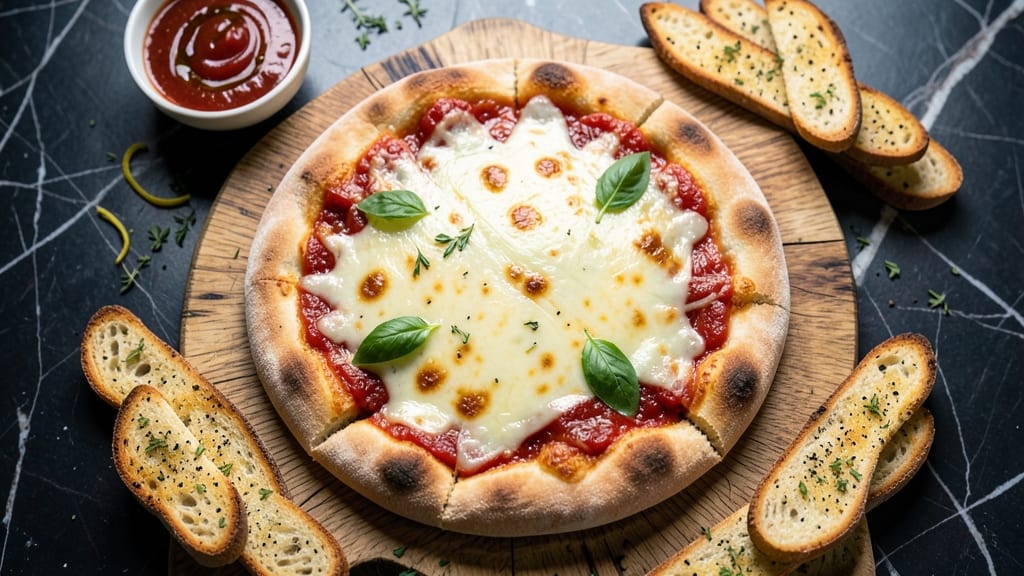
This Asiago cheese pizza recipe transforms simple ingredients into a masterpiece with a crispy crust and golden, pull-apart cheese rivers that melt in every bite. The nutty depth of Asiago—unlike milder mozzarella—creates a rich, satisfying flavor that stands alone or pairs perfectly with classic toppings.
I perfected this after years of testing, balancing crispy edges with a tender interior that holds up to generous cheese layers.
The foundation starts with a foolproof dough that bakes to golden perfection, using just flour, yeast, and a touch of olive oil for that authentic Italian flavor without the fuss.
Top it with a minimal tomato sauce (or skip it entirely for white pizza lovers) and let the star—shredded Asiago—do the work. The key? Baking just long enough for the cheese to bubble and stretch into those irresistible rivers while keeping the crust crispy and sturdy.
What makes this recipe shine is its versatility—whether you prefer a thin-crust for quick weeknight dinners or a deep-dish for special occasions, the technique adapts seamlessly. Add a sprinkle of fresh basil or red pepper flakes for brightness, or keep it classic with just the cheese.
The result? A pizza so delicious it’ll have everyone asking for seconds—and the recipe.
Ready in under 45 minutes (including dough rising), this pizza delivers restaurant-quality results with minimal effort. The secret lies in the cheese: Asiago’s lower moisture content means no soggy crust, just rich, nutty flavor that dominates every slice. Let’s get baking!
Ingredients for asiago cheese pizza
Twelve essential ingredients for a pizza that delivers crispy crust and nutty cheese rivers.
| Ingredient | Amount | Notes |
|---|---|---|
| All-Purpose Flour 🌾 | 3 ½ cups | High-protein for chewy texture |
| Active Dry Yeast 🍞 | ¼ tsp | Instant yeast preferred |
| Granulated Sugar 🍚 | 1 tsp | Feeds yeast for activation |
| Diamond Crystal Kosher Salt 🧂 | 1 ½ tsp | Adjusts flavor balance |
| Extra-Virgin Olive Oil 🫒 | ½ cup | Lightly fruity variety |
| Warm Water 💧 | 1 ¼ cups | 110°F for yeast activation |
| Shredded Asiago Cheese 🧀 | 12 oz | Freshly grated preferred |
| San Marzano Tomato Sauce 🍅 | ½ cup | Low-acid, sweet variety |
| Fresh Basil Leaves 🌿 | ¼ cup | Chopped for garnish |
| Red Pepper Flakes 🌶️ | ½ tsp | Adjust for heat preference |
| Cornmeal 🌽 | ¼ cup | For dusting pizza peel |
| Semolina Flour 🌾 | 2 tbsp | Optional for extra crisp |
The Asiago cheese is non-negotiable—its lower moisture content prevents soggy crust while delivering that signature nutty depth. Grab a wedge from a specialty cheese shop like Whole Foods or Di Bruno Bros for the freshest shred. Pre-shredded won't work here; you need the cheese to melt and stretch properly. For the dough, King Arthur flour ensures that perfect chewy texture, but any high-protein all-purpose will do. The yeast should be fresh—if it's past its expiration, toss it. And the olive oil? California avocado oil has a neutral profile that won't overpower the cheese flavors.
No San Marzano tomatoes? Canned crushed tomatoes with added basil and garlic work in a pinch, but the sweetness and low acidity of San Marzano are worth the hunt. Fresh basil is ideal, but dried basil at one-third the amount will suffice if needed. For a white pizza, simply omit the tomato sauce entirely—this recipe works beautifully as a classic cheese pizza. The red pepper flakes can be swapped for crushed black pepper if you prefer a milder heat. And if you're making a deep-dish version, increase the cheese to 16 oz and add an extra 1 cup of dough**
The dough keeps best in the fridge for 48 hours wrapped in plastic, or freeze for 3 months as dough balls. Shredded Asiago stays fresh for 2 weeks in the fridge if sealed airtight. For the tomato sauce, it improves with age—store in the fridge for up to 1 week or freeze for 3 months**. Pre-portion your cheese and toppings before baking to streamline assembly. The pizza peel should be well-floured with cornmeal to prevent sticking—semolina adds extra crispiness if you're feeling fancy.
Why You'll Love This Recipe
- Pantry-Friendly Dough: I swear by this dough—just flour, yeast, sugar, and olive oil. No fancy starters or chilled rises; it comes together in 10 minutes while I’m waiting for the oven to preheat.
- Melty Magic: That first pull of crispy crust with gooey asiago? It’s like a warm hug for your taste buds. The olive oil keeps it tender, while the salt and sugar balance the richness perfectly—no aftertaste, just pure satisfaction.
- Weeknight Hero: I make this when I’m too tired for takeout but still crave something special. It’s ready in under an hour, and the leftovers reheat like a dream—crispy edges, melty cheese, no soggy spots.
- Budget Stretch: A single dough ball feeds four, and asiago stretches further than most cheeses. Honestly, I’ve fed a crowd for under $10 by bulking it up with veggies or charcuterie—no guilt, just flavor.
Step-by-step instructions for Asiago cheese pizza
Here's the method for achieving that perfect balance of crispy crust and gooey, nutty Asiago cheese rivers.
Activate the Yeast and Mix the Dough
In a large mixing bowl, combine the 1.25 cups warm water (about 110°F) with the 0.25 tsp active dry yeast and 1 tsp granulated sugar. Let it sit for 5-10 minutes until foamy—this confirms your yeast is active. If it doesn't foam, your pizza won't rise properly.
Add the 3.5 cups all-purpose flour and 1.5 tsp diamond crystal kosher salt to the bowl. Mix with a wooden spoon until a shaggy dough forms. Then add the 0.5 cup extra-virgin olive oil and knead by hand for 8-10 minutes until the dough is smooth and elastic. It should be slightly tacky but not sticky to the touch.
Let the Dough Rest and Develop Flavor
Place the dough in a lightly oiled bowl, cover it with a damp kitchen towel, and let it rise in a warm place for 1-2 hours or until it has doubled in size. This resting period allows the gluten to relax and develop, which is crucial for that crispy-yet-chewy crust you're after.
After the initial rise, punch down the dough to release any air bubbles. Then divide it into two equal portions and shape each into a smooth, round ball. Cover them again and let them rest for another 30 minutes. This second rest ensures even baking and prevents the crust from shrinking during cooking.
Prepare the Sauce and Cheese
While the dough rests, spread the 0.5 cup San Marzano tomato sauce evenly over the bottom of a 12-inch pizza pan or baking sheet. The sauce should be thin enough to spread smoothly but not so runny that it pools. I like to keep it simple with just the sauce, cheese, and toppings—no need for extra seasoning here.
Sprinkle 0.5 tsp red pepper flakes evenly over the sauce for a subtle kick. Then add the 12 oz shredded Asiago cheese, spreading it out evenly but leaving a ½-inch border around the edges for that crispy crust. The Asiago should melt beautifully, creating those signature rivers of golden cheese.
Shape and Bake the Pizza
Preheat your oven to 475°F with a pizza stone or baking sheet inside for at least 30 minutes. This high heat is essential for achieving that crispy crust. While the oven preheats, roll out one portion of the dough on a floured surface to about ¼-inch thickness and transfer it to the prepared pan.
Press the dough gently into the sauce, stretching it to fit the pan while maintaining that ½-inch cheese-free border. Sprinkle the dough with the 2 tbsp semolina flour for extra crispiness. Bake for 12-15 minutes until the crust is golden brown and the cheese is bubbling with those beautiful rivers forming.
Finish and Serve Immediately
Remove the pizza from the oven and immediately sprinkle the 0.25 cup chopped fresh basil leaves over the top. The basil adds a bright, fresh contrast to the rich, nutty Asiago. Let the pizza rest for 2-3 minutes before slicing—this allows the cheese to set slightly and makes for cleaner cuts.
For that final crispy touch, transfer the pizza to a wire rack dusted with 0.25 cup cornmeal. This step prevents sogginess and ensures the crust stays crispy even after baking. Serve immediately while the cheese is still gooey and the crust is at its peak crispiness.
Pro Tips For Making Asiago Cheese Pizza
- STRETCH THE DOUGH: Use your knuckles—yes, really—to press and fold the dough from the center outward every 30 minutes while it rises. This builds gluten faster than rolling, and you’ll end up with a chewier crust that holds up to melted asiago’s weight without tearing.
- SALT THE FLOUR FIRST: Mix the kosher salt directly into the flour before adding yeast and water. I learned this the hard way—dry-sprinkling salt later leaves uneven pockets, and your crust ends up tasting like it’s playing hide-and-seek with flavor.
- STOP WHEN IT’S ALMOST SET: Take the pizza out of the oven when the crust is golden but still slightly soft—it’ll crisp up in the last 30 seconds. Overbaking turns asiago rubbery, and nobody wants that. Trust the edges, not the center.
- OIL THE PAN, NOT THE DOUGH: Brush only the pizza peel or pan with olive oil—about 1 teaspoon—before stretching. Oil on the dough makes it gummy; oil on the surface guarantees a crisp, blistered crust that asiago clings to like it’s auditioning for a cheese commercial.
Troubleshooting your asiago cheese pizza
Cheese Not Melting Properly
If your Asiago cheese isn't stretching into those signature rivers, it's likely because the oven temperature dropped during baking. To fix this, preheat your oven to 475°F for at least 30 minutes with a pizza stone or baking sheet inside.
Use an oven thermometer to confirm accuracy—many ovens run 25°F cooler than set. Also, shred the cheese yourself using a box grater for finer, more even melting. Pre-shredded cheese contains anti-caking agents that prevent proper browning. 🌡️
Soggy Crust Issues
A soggy crust usually means too much sauce or insufficient preheating. First, reduce your sauce to just 2-3 tbsp or skip it entirely for a white pizza. Always preheat your baking surface for 30 minutes before adding the pizza.
For extra insurance, sprinkle 2 tbsp semolina flour on the dough before baking—it creates a crispy barrier between the crust and sauce. I also recommend baking on a pizza stone or steel for better heat distribution. ❄️
Dough Not Rising Properly
If your dough fails to rise, check your yeast first. Use active dry yeast that's less than 4 months old and test it by mixing with 1 tsp sugar and ¼ cup warm water—it should foam within 5-10 minutes.
Ensure your water is 110°F (too hot kills yeast, too cold slows activation). Place the dough in a warm spot—try a turned-off oven with the light on or a proofing box. If all else fails, try instant yeast which activates faster. 🍞
Uneven Baking
For even baking, rotate your pizza halfway through cooking if using a round pan. The oven's heat often distributes unevenly, especially in home ovens. Use a pizza peel to transfer the dough to the oven for better heat circulation.
For deep-dish versions, increase baking time by 5-7 minutes and cover loosely with foil if the top browns too quickly. I've found that baking on the middle rack ensures consistent results. 🔥
Cheese Burning Too Fast
When cheese browns too quickly, it's usually from excessive oven heat. Lower your oven temperature to 450°F and add 1-2 minutes to your baking time. For extra protection, sprinkle a thin layer of shredded mozzarella (which melts faster) over the Asiago before baking.
This creates a protective barrier while still delivering that nutty flavor. I also recommend using a pizza screen for even heat distribution. 💡
Dough Sticking to Pan
Dough sticking happens when the pan isn't properly prepared. Always dust your baking surface with cornmeal or semolina flour before adding the dough. For extra insurance, chill the dough for 15 minutes before shaping—this makes it easier to handle and less likely to stick.
I use a pizza peel dusted with flour to transfer the dough to the oven, then slide it directly onto the preheated baking surface. 🌾
Nutrition facts
Frequently asked questions
Can I make this pizza without tomato sauce?
This recipe works beautifully as a classic white pizza. Simply omit the tomato sauce and spread a thin layer of olive oil over the dough before adding the Asiago cheese. The nutty flavor of the cheese will shine even more without competing with tomato acidity. For extra richness, add a sprinkle of garlic powder or fresh herbs like rosemary.
How do I get that perfect crispy crust?
The secret lies in preheating your baking surface for 30 minutes at 475°F and using a pizza stone or steel. Leave a ½-inch border around the edges free of cheese to create that crispy perimeter. Semolina flour on the dough before baking adds extra crunch, and transferring the finished pizza to a wire rack dusted with cornmeal keeps it crispy longer.
What's the difference between Asiago and mozzarella?
Asiago has a rich, nutty flavor and lower moisture content than mozzarella, making it perfect for creating those signature cheese rivers. Mozzarella melts faster but lacks the depth Asiago provides. For best results, use freshly grated Asiago—pre-shredded versions contain anti-caking agents that prevent proper melting and browning.
Can I make this pizza ahead of time?
For best results, assemble and bake the pizza fresh, but you can prep components ahead. Make the dough up to 48 hours in advance and store it refrigerated. Shred the cheese and chop toppings the night before. If reheating, bake at 375°F for 5-7 minutes until the cheese is melted and the crust is crispy again. The texture won't be quite as perfect as fresh-baked.
What other cheeses pair well with Asiago?
For extra flavor, blend Asiago with Parmigiano-Reggiano (for umami depth) or fontina (for creaminess). A small amount of ricotta spread under the cheese adds richness. Avoid high-moisture cheeses like cheddar—they'll make the crust soggy. Keep the ratio to no more than 20% additional cheese to maintain the Asiago's signature flavor profile.