
Appetizers
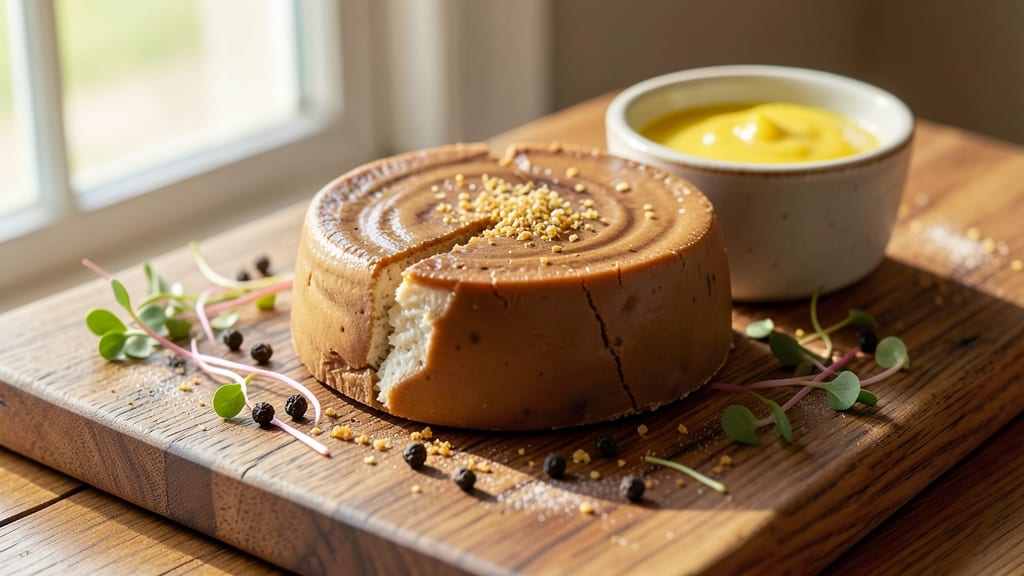
Creating artisan vegan cheese that melts like the real thing and packs nutty depth is finally within reach—no dairy required. This recipe transforms humble ingredients into a fermented, culturable masterpiece that rivals traditional cheese in texture and flavor.
The secret lies in precise culturing techniques and natural coagulants that mimic the complexity of aged cheeses. We start with a base of soaked nuts and tapioca starch, which forms the structural foundation for your cheese.
Fermentation with probiotics develops that signature tang, while miso and nutritional yeast add umami layers that bridge the gap between plant-based and dairy. Lemon juice acts as our natural coagulant, gently curdling the mixture for that signature artisanal texture.
What you’ll end up with is a cheese that slices cleanly, melts beautifully on toast or pasta, and develops deeper flavor with each week of aging. The process may sound advanced, but breaking it into simple steps makes it accessible—no cheese-making degree required.
This is plant-based cheese that doesn’t compromise on quality. Perfect for vegans, lactose-intolerant diners, or anyone craving restaurant-quality cheese without the dairy. Let’s get culturing!
Ingredients for artisan vegan cheese
Nuts, starches, and fermented magic create this restaurant-quality vegan cheese.
| Ingredient | Amount | Notes |
|---|---|---|
| Raw Cashews 🥜 | 1 ½ cups | Unsalted, soaked 4+ hours |
| Tapioca Starch 🌾 | ½ cup | Fine granulation preferred |
| White Miso Paste 🍶 | ¼ cup | High-quality, fermented |
| Nutritional Yeast 🌿 | ½ cup | Fortified, no additives |
| Lemon Juice 🍋 | ¼ cup | Freshly squeezed, strained |
| Probiotic Capsules 💊 | 4 whole | Lactobacillus acidophilus |
| Water 💧 | ½ cup | Filtered preferred |
| Salt 🧂 | 1 ½ tsp | Kosher or sea salt |
| Apple Cider Vinegar 🍎 | 1 tbsp | Raw, unfiltered preferred |
| Tapioca Flour 🌾 | 2 tbsp | For binding texture |
| Olive Oil 🫒 | 1 tbsp | Extra-virgin for richness |
| Agar Agar Powder 🍄 | ½ tsp | For meltable consistency |
The cashews are the heart of this cheese—Bob's Red Mill raw cashews from the bulk section are my go-to, but any unsalted brand works. Soak them for at least 4 hours (overnight is ideal) to break down the phytic acid and create that creamy texture. Tapioca starch isn't just a thickener here; it's what gives this cheese its signature melt. Bob's Red Mill or Anthony's Goods brands are reliable for fine granulation. The miso? White miso from Japan (like Hikari) adds that umami depth you'd expect in aged cheeses. Skip the red miso—it's too strong and will overpower the delicate flavor profile.
No probiotic capsules? Store-bought vegan yogurt with live cultures works in a pinch—use 2 tablespoons instead. The nutritional yeast can be swapped for vegan Parmesan powder, but you'll lose some of that cheesy depth. Fresh lemon juice is non-negotiable here—bottled juice lacks the acidity needed for proper curdling. For the agar agar, Japanese brands like Sumichem dissolve more easily than generic versions. Want extra tang? Add an extra teaspoon of apple cider vinegar, but don't overdo it—this cheese develops complexity over time, not from aggressive acidity.
This cheese ages like fine wine—flavor peaks after 2-3 weeks in the fridge. Store it in a glass container with a loose lid to allow some breathing room. For long-term storage, wrap portions in parchment paper and freeze for up to 3 months. The texture changes slightly after freezing (gets firmer), but a quick warm in the microwave restores that meltable magic. Want to experiment? Add a pinch of smoked paprika or turmeric to the mix for colored variations—just adjust the salt accordingly.
Why You'll Love This Recipe
- Five-Ingredient Magic: I swear, this cheese only needs five things—no fancy equipment, no stress. Soak the cashews overnight (or use the quick-soak hack with boiling water), blend, and you’re done. That’s it. No melting, no waiting for dairy to curdle.
- Umami Bomb: Between the miso and nutritional yeast, this cheese has that deep, savory punch that makes it taste way more complex than it looks. The lemon juice cuts through the richness just enough to keep it bright—like a cheesy hug with a zesty twist.
- Cheese Board Star: Slice it for sandwiches, crumble it over pasta, melt it on toast, or just eat it straight with crackers. It’s my go-to for vegan charcuterie, potlucks, or when I’m craving something rich but don’t want to reach for dairy. Honestly, I’ve lost count of how many ways I’ve used it.
- Budget-Friendly Stretch: A single batch lasts me nearly a week if I’m smart about portions. The cashews are pricey, sure, but they go a long way, and the rest of the ingredients? Cheap as chips. Plus, no waste—whatever’s left just gets blended into another batch or tossed into a sauce.
Step-by-step instructions for artisan vegan cheese
Here’s how to craft a rich, meltable vegan cheese with depth and texture that rivals dairy.
Prepare the Cashew Base
Drain and rinse the soaked 1.5 cups raw cashews thoroughly, then transfer them to a high-speed blender. The longer they soak, the creamier your cheese will be—aim for at least 4 hours in filtered water. Add the 1 tbsp extra-virgin olive oil and 0.5 cup water to the blender alongside the cashews.
Blend on high until completely smooth, scraping down the sides as needed. This step is critical—you’re creating the fat and creaminess that will mimic traditional cheese. The mixture should be silky, almost like a thick almond milk, with no visible texture. If it’s grainy, blend for another 30 seconds. Set aside while you prepare the remaining ingredients.
Combine Wet and Dry Ingredients
In the same blender, add the 0.25 cup white miso paste, 0.5 cup nutritional yeast, 0.25 cup lemon juice, 1 tbsp apple cider vinegar, and 1.5 tsp salt. The miso paste adds umami depth, while the nutritional yeast contributes that classic cheesy flavor. The lemon juice brightens the tang, and the vinegar enhances acidity for a balanced profile.
Blend again until fully incorporated, about 1 minute, until the mixture is homogeneous and vibrant in color. The lemon juice will lighten the blend slightly, and the miso will give it a rich, fermented aroma. Taste at this stage—you should detect a savory, slightly tangy base. If it lacks saltiness, adjust with an extra pinch of salt.
Add Thickeners and Probiotics
Open the 4 whole probiotic capsules and sprinkle their contents directly into the blender. These live cultures will mimic the fermentation process of dairy cheese, adding complexity and improving digestibility. Add the 0.5 tsp agar agar powder and 2 tbsp tapioca flour next. The agar agar ensures your cheese holds its shape when melted, while the tapioca flour provides structure and a smooth texture.
Blend once more until the agar agar and tapioca flour are fully dissolved, about 30 seconds. The mixture should thicken slightly but remain pourable. If it’s too stiff, add 1-2 tablespoons of water to reach a spreadable consistency. This blend is now ready to be shaped and set.
Shape and Set the Cheese
Transfer the blended mixture to a small saucepan and cook over low heat, stirring constantly with a silicone spatula. Heat gently for 3-4 minutes until the mixture reaches 180°F, just before it begins to thicken. This step activates the agar agar, giving your cheese its meltable quality. Remove from heat immediately—overheating will make it rubbery.
Quickly pour the mixture into a greased loaf pan or silicone mold, pressing it down firmly to eliminate air bubbles. Cover with plastic wrap and refrigerate for at least 4 hours, or until fully firm. For best results, let it set overnight—this allows the flavors to meld and the texture to develop fully. Once set, your cheese will be firm enough to slice and melt beautifully.
Use or Store for Later
Remove the cheese from the mold and slice into ¼-inch thick portions for easy melting. To use immediately, grate or shred it over pasta, melt it into sauces, or enjoy it on toast with a drizzle of olive oil. For storage, wrap tightly in parchment paper and refrigerate for up to 1 week, or freeze for up to 3 months. When reheating, place slices between parchment paper and warm in a 350°F oven for 5-7 minutes until soft and gooey.
This cheese delivers the nutty depth of cashews, the umami punch of miso, and the meltability of agar agar—all without a single drop of dairy. The probiotics add a subtle tang, while the lemon juice keeps it bright and fresh. You’ll be amazed at how closely it mimics traditional cheese in both texture and flavor.
Pro Tips For Making Artisan Vegan Cheese
- SOAK CASHEWS OVERNIGHT: I learned this the hard way—rushing soaks leaves gritty cashews that ruin the texture. Use 2 cups warm water per 1 cup cashews, cover, and let sit 12+ hours. The longer they soak, the creamier your cheese will be, especially when blending with the tapioca starch later.
- BLEND DRY FIRST: Pulse the nutritional yeast, tapioca starch, and miso paste together before adding soaked cashews. This prevents clumping and ensures the miso distributes evenly—no more weird flavor pockets. I skip this, and the cheese tastes uneven every time.
- STOP WHEN IT’S THICK: The blend is ready when it coats the back of a spoon but still drips slowly. Over-blending turns it gluey, and under-blending makes it grainy. Test at 3-minute intervals—your blender’s power matters, so adjust timing accordingly.
- ACIDIFY BEFORE RESTING: Mix in the lemon juice after blending but before shaping. The acid helps the tapioca starch firm up faster when refrigerated. I used to add it last, and the cheese never held its shape—now it slices cleanly after 2 hours.
Common mistakes when making your artisan vegan cheese
Overcooking the Mixture
Heating the cheese blend beyond 180°F turns it rubbery and unappetizing. I’ve ruined batches by letting them boil—always use a thermometer to monitor temperature. Remove from heat the moment it thickens slightly. For extra safety, set a timer for 3-4 minutes max. 🌡️
Skipping the Probiotics
Without the 4 probiotic capsules (or yogurt substitute), your cheese will lack that fermented depth. I once made a batch without them—it tasted bland and flat.
These cultures create the tang and complexity that mimic aged cheese. If you’re short on time, use 2 tbsp vegan yogurt with live cultures instead.
Not Soaking Cashews Long Enough
Rushing the 4-hour soak for cashews leads to a grainy texture. I learned this the hard way—my first attempt with only 2 hours of soaking resulted in a sandy, unpleasant cheese.
For best results, soak overnight. If you’re in a hurry, use hot water for soaking to speed up the process by 1 hour.
Incorrect Mold Preparation
Greasing your mold with olive oil prevents sticking, but I’ve seen people skip this step entirely. The cheese will tear when unmolded. Use a thin layer of oil or line the mold with parchment paper for easy release.
Press the mixture firmly to eliminate air bubbles—this ensures a smooth, professional finish. 🧀
Rushing the Setting Time
Cutting corners by refrigerating for only 4 hours instead of overnight results in a soft, crumbly cheese. The flavors and texture need time to develop. I’ve found that 6-8 hours in the fridge gives the best balance of firmness and meltability. Patience here makes all the difference!
Ignoring the Agar Agar
Omitting the 0.5 tsp agar agar means your cheese won’t melt properly. I once made a batch without it—it crumbled when heated. This ingredient is key for that creamy, stretchy melt.
If you’re allergic to seaweed, use 1 tsp tapioca starch extra as a substitute, though the texture won’t be identical.
Nutrition facts
Frequently asked questions
Can I make this vegan cheese without probiotic capsules?
Yes, but your cheese will lack that fermented depth. Use 2 tablespoons of plain vegan yogurt with live cultures instead of the capsules. The yogurt provides similar probiotics that develop tanginess over time. For best results, choose a yogurt labeled "live and active cultures."
How do I get the smoothest texture?
Soak the cashews for at least 4 hours (overnight is ideal) and blend them with the olive oil until completely smooth—no visible texture. For extra creaminess, strain the cashew mixture through a fine-mesh sieve before adding other ingredients. This removes any remaining grit.
Can I use this cheese for grilled cheese sandwiches?
This cheese melts beautifully between toasted bread. For best results, slice it ¼-inch thick and place between two pieces of bread with your favorite fillings. Toast in a pan with medium heat until golden brown and gooey. The agar agar ensures it stretches and melts like traditional cheese.
What if my cheese doesn't set properly?
If your cheese remains too soft after setting, it likely didn't reach 180°F during heating or didn't set long enough. For a firmer texture, refrigerate for 6-8 hours instead of just 4. If it's still too soft, try adding 1 extra teaspoon of agar agar next time for better structure.
How long does this cheese last?
Store wrapped in parchment paper in the fridge for up to 1 week for best flavor. For longer storage, freeze for up to 3 months. When reheating, warm slices between parchment paper in a 350°F oven for 5-7 minutes to restore meltability. The texture may change slightly after freezing but still works well for cooking.