
Sauces & Condiments
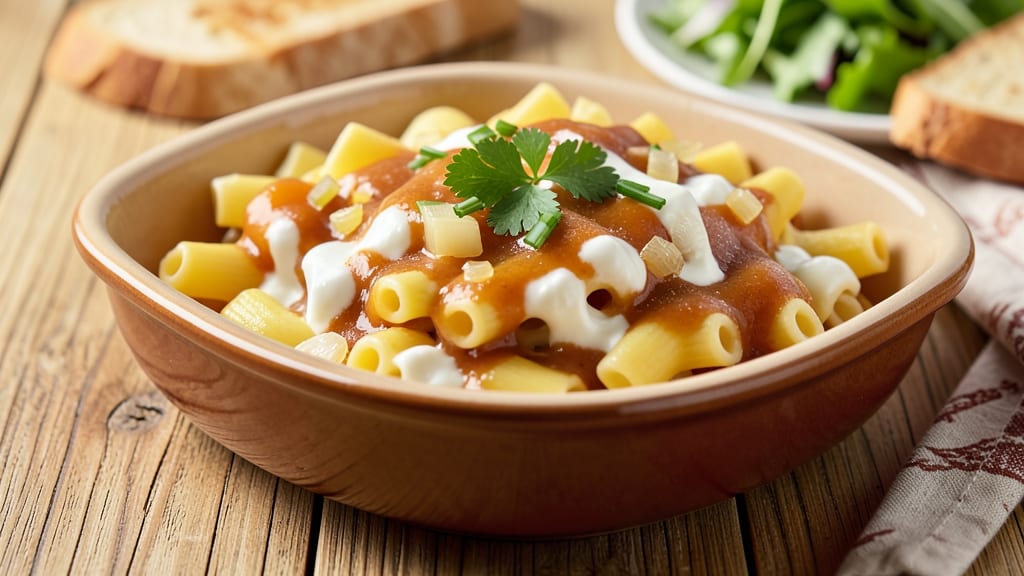
Annie's mac and cheese sauce recipe delivers that velvety, ultra-creamy texture we all crave—no baking required. The secret lies in a proper roux and cheese blend that creates a sauce so rich, it turns any pasta or casserole into a restaurant-worthy dish. I've perfected this version to be foolproof, with just the right balance of tangy sharp cheddar and smooth cream cheese for that signature melt.
What sets this sauce apart is the two-step cooking process: first melting butter and flour into a golden roux, then gradually whisking in milk and shredded cheese to prevent clumping. The result is a thick, velvety sauce that clings perfectly to noodles or coats casserole tops.
It serves 4 as a sauce (about 2 cups), so you can easily double it for larger gatherings.
This recipe transforms basic ingredients into something extraordinary—no lumps, no graininess, just that luxurious, creamy texture we love. The sauce stays smooth even when reheated, making it perfect for meal prep or last-minute dinners.
Whether you're making mac and cheese or using it as a casserole topping, this is the sauce that will elevate everything.
The best part? It comes together in just 15 minutes with simple pantry staples. No special equipment needed—just a saucepan and whisk. Let's make this creamy, comforting sauce that will become your new go-to for cheesy goodness.
Ingredients for annie's mac and cheese sauce
Pantry staples plus a few key cheeses. That's all it takes for restaurant-worthy sauce.
| Ingredient | Amount | Notes |
|---|---|---|
| Unsalted Butter 🧈 | ½ cup | Cold cut into small cubes |
| All-Purpose Flour 🌾 | ½ cup | Sifted for smooth sauce |
| Sharp White Cheddar Cheese 🧀 | 1 ½ cups | Freshly shredded, block preferred |
| Cream Cheese 🧀 | ½ cup | Full-fat for creaminess |
| Whole Milk 🥛 | 2 cups | Room temperature preferred |
| Yellow Onion 🧅 | ¼ cup | Finely diced, small pieces |
| Garlic Cloves 🧄 | 2 cloves | Minced for subtle flavor |
| Salt 🧂 | 1 ½ tsp | Kosher or sea salt |
| Ground Black Pepper 🌶️ | ½ tsp | Freshly ground preferred |
| Mustard Powder 🍯 | ½ tsp | For subtle tang |
The cheese is where the magic happens. Sharp white cheddar gives that signature tang, while the cream cheese adds velvety smoothness—don't skimp here. I always grab Kraft Natural or Babybel for the cheddar (the pre-shredded kind works fine), and Philadelphia for the cream cheese. The butter matters too—use unsalted so you control the saltiness. For the onion, I like yellow sweet onions from the store's produce section—they're sweet and easy to dice quickly. Fresh garlic is best, but jarred works in a pinch if you've got it.
No sharp cheddar? Extra sharp or pepper jack works too—just add an extra pinch of cayenne if you want that kick. Running low on cream cheese? Substitute with extra cheddar plus 2 tbsp milk—it won't be identical, but it'll still taste amazing. The mustard powder is non-negotiable though—it cuts through the richness and adds that subtle tang. No mustard powder? Dijon mustard at half the amount does the trick. The milk can be any kind (whole, 2%, even almond milk if you're dairy-conscious), but whole gives the creamiest result. For the flour, King Arthur or Gold Medal are my go-tos—they're reliable for roux-making.
This sauce reheats beautifully—just stir in a splash of milk if it gets too thick. Keeps 5 days in the fridge, 3 months frozen. I always make a double batch because it's perfect for meal prep. Store in a sealed container with a layer of plastic wrap pressed right on the surface to prevent a skin from forming. The sauce thickens as it cools, so don't worry if it looks too thick when you first make it—just whisk in a little more milk when reheating.
Why You'll Love This Recipe
- Five-Ingredient Magic: I swear, this sauce comes together with just butter, flour, cheddar, cream cheese, and milk. That’s it—no weird ingredients, no fancy techniques, just pure, creamy perfection every time.
- Creamy-Cheesy Bliss: The sharp white cheddar melts into a velvety sauce while the cream cheese adds that rich, velvety finish. Honestly, the first bite makes you wonder why you ever bought store-bought.
- Weeknight Workhorse: Slap it over pasta for dinner, use it as a dip for veggies, or even bake it into a casserole. It’s my go-to for quick meals, potlucks, or when I’m too tired to think.
- Budget-Friendly Luxury: Sharp cheddar and cream cheese might sound fancy, but they stretch this sauce far—enough for leftovers that still taste fresh the next day. (Yes, even on a Tuesday night.)
Step-by-step instructions for annie's mac and cheese sauce
Here's how to make this velvety, restaurant-quality sauce that sticks to every strand perfectly.
Melt Butter and Sauté Aromatics
Melt the 0.5 cup unsalted butter in a heavy-bottomed saucepan over medium heat. Once the butter has completely melted and is foaming gently, add the 0.25 cup finely diced yellow onion and 2 cloves minced garlic. Cook for 3-4 minutes until the onions are translucent and the garlic is fragrant—you should smell that warm, sweet onion aroma and see the garlic just beginning to turn golden.
This step builds the flavor foundation. Don't rush it—if the garlic starts to brown too quickly, reduce the heat slightly. You want to develop the aromatics without burning them, which would make the sauce bitter. Keep stirring occasionally to prevent sticking, especially since we're not adding any oil beyond the butter.
Create the Roux
Reduce the heat to medium-low and sprinkle in the 0.5 cup sifted all-purpose flour all at once. Stir vigorously with a wooden spoon for 1-2 minutes until the mixture turns a light golden color and smells nutty. This is your roux—the flavor base that will thicken the sauce beautifully.
Watch the color carefully—it should be pale gold, not white (undercooked) or brown (burnt). If it starts to darken too quickly, reduce the heat further. The roux should coat the back of a spoon smoothly. This ensures your sauce will have that perfect velvety texture without being gluey.
Gradually Add Milk
Slowly pour in the 2 cups room-temperature whole milk while whisking constantly to prevent lumps from forming. Keep the heat at medium-low and continue whisking for 3-4 minutes until the mixture thickens noticeably. You'll see it transform from a thin liquid to a smooth, creamy consistency that coats the spoon completely.
This gradual addition is crucial—adding milk too quickly creates lumps that are nearly impossible to fix. If you do see any lumps forming, immediately reduce the heat and whisk vigorously until smooth. The sauce should now look like thick, creamy custard with no visible flour particles.
Add Cheeses and Seasonings
Remove the pan from heat and stir in the 1.5 cups freshly shredded sharp white cheddar cheese and 0.5 cup cream cheese until completely melted and smooth. Return the pan to low heat and add the 1.5 teaspoons salt, 0.5 teaspoon ground black pepper, and 0.5 teaspoon mustard powder. Stir constantly for 2-3 minutes until everything is fully incorporated and the sauce is perfectly smooth.
Here's where the magic happens—the cheeses should melt completely, creating that luxurious, stretchy texture we all love. If you see any unmelted cheese chunks, stir a bit more vigorously or let it sit off heat for 30 seconds to melt completely. The mustard powder adds just the right tang that balances the richness.
Adjust Consistency and Serve
Taste the sauce and adjust the seasoning if needed—you might want to add a pinch more salt or pepper to your liking. If the sauce is too thick for your preference, thin it with 1-2 tablespoons hot water or reserved pasta water. For a perfectly creamy consistency that clings to pasta, it should coat the back of a spoon but still move easily.
This sauce is best served immediately, but if you need to hold it for a few minutes, keep it warm over low heat while stirring occasionally. The sauce should be silky smooth, with no graininess from the cheese, and have that perfect balance of tangy, salty, and creamy flavors. Pour it over your cooked pasta and enjoy the velvety goodness that makes this mac and cheese truly special.
Pro Tips For Making Annie'S Mac And Cheese Sauce
- Melt Cheese Slowly: If you dump all the cheddar and cream cheese in at once, you’ll end up with lumps—no matter how much you stir. Instead, add the cream cheese first, then stir in the cheddar in small batches while the roux simmers. The heat will do the work, and you’ll get that silky texture without scraping lumps out later.
- Prep Cheese Right: Grate the sharp white cheddar yourself—store-bought pre-shredded cheese is coated in anti-caking agents that make the sauce grainy. Use a box grater and pulse the cream cheese in a food processor for even distribution. Trust me, your sauce will thank you.
- Don’t Rush the Roux: Cook the butter and flour on medium heat until it’s a rich golden brown—about 3-4 minutes. If you rush it, the sauce will taste raw and floury. Use a wooden spoon to scrape the bottom every 30 seconds; that’s where the flavor hides.
- Temper the Milk: Warm the milk to about 100°F (just until tiny bubbles form around the edges) before adding it to the roux. Cold milk shocks the butter and makes the sauce split. I learned this the hard way—now I keep a thermometer nearby or just dip my finger in to test.
Common mistakes when making great annie's mac and cheese sauce
Roux Overcooking
The biggest mistake I see is letting the roux burn, which instantly ruins your sauce. That nutty aroma you want? It should smell like toasted flour, not burnt toast. I’ve seen people walk away for just a minute while stirring, and suddenly—brown, bitter roux.
Keep the heat at medium-low and stir constantly. If it starts to darken too quickly, reduce the heat immediately. A burnt roux will make your sauce taste bitter and gluey, no matter how much cheese you add. 🔥
Adding Cheese Too Fast
Another common error is dumping all the cheese in at once and walking away. This leads to clumps that no amount of whisking can fix. Instead, remove the pan from heat before adding the cheese, then return it to low heat to melt it gradually.
I’ve had to rescue many sauces by straining them through a fine-mesh sieve when this happens. The cream cheese is especially tricky—it needs time to blend smoothly into the sauce.
Skipping the Mustard Powder
Many recipes omit the mustard powder, but it’s what gives this sauce that signature tangy depth. Without it, your sauce might taste flat or overly rich. I’ve tried making this sauce without it, and honestly? It’s missing something. Just ½ teaspoon makes a world of difference.
If you don’t have mustard powder, a pinch of Dijon mustard works in a pinch, but it’s not the same. Don’t skip this step—it’s the secret to that restaurant-quality flavor. 🧂
Using Cold Ingredients
Cold milk or cheese can create lumps that are nearly impossible to fix. Always use room-temperature milk and let your cheeses sit out for 10-15 minutes before shredding. I’ve had to start over because of this mistake—nothing ruins a sauce faster than clumps of unmelted cheese.
If you’re in a hurry, warm the milk slightly in the microwave (just until it’s warm to the touch) to help everything blend smoothly.
Ignoring the Roux Color
A pale roux is key—it should be light golden, not white or brown. I’ve seen people rush this step, and the result is either a raw-tasting sauce (if undercooked) or a bitter one (if burnt). The perfect roux is the foundation of a silky sauce.
If yours isn’t golden after 1-2 minutes, reduce the heat and give it more time. Trust me, this small detail makes all the difference in the final texture. 🌟
Over-Stirring After Adding Cheese
Once the cheese is melted, there’s no need to stir vigorously—just a gentle swirl is enough. Over-stirring can create air bubbles and make the sauce too thin. I’ve seen people whisk like they’re trying to win an egg race, and suddenly, their sauce looks like it’s lost its thickness.
After adding the cheese, just stir gently over low heat until everything is smooth. Let the sauce sit for a minute if needed—patience here ensures that perfect velvety finish.
Nutrition facts
Frequently asked questions
Can I make this sauce without cream cheese?
Yes, but the texture will be slightly different. Replace the 0.5 cup cream cheese with an extra 0.5 cup sharp cheddar and add 2 tablespoons milk to maintain creaminess. The sauce will still be delicious but may be slightly less velvety. For extra richness, add 1 tablespoon sour cream instead.
How do I prevent lumps in the sauce?
Lumps happen when milk is added too quickly or cheese isn't melted properly. Always whisk constantly when adding milk, and remove the pan from heat before adding cheese. Return to low heat and stir gently until fully melted. If lumps appear, strain through a fine-mesh sieve for a silky finish.
Can I use pre-shredded cheese?
Pre-shredded cheese works fine, but it often contains anti-caking agents that can make the sauce slightly grainy. For the smoothest texture, use freshly shredded block cheese. If you must use pre-shredded, pick a brand labeled "no anti-caking agents" and shred it yourself by hand for best results.
How long will this sauce keep?
Store in an airtight container in the fridge for up to 5 days. For longer storage, freeze for 3 months. Thaw overnight in the fridge and reheat gently over low heat, stirring in 1-2 tablespoons milk if it thickens too much. The sauce reheats beautifully without losing its creamy texture.
What's the best way to use this sauce?
This versatile sauce works perfectly over cooked pasta, as a casserole topping, or even as a dip for bread. For best results, toss with 1 pound cooked elbow macaroni and broil for 3-5 minutes to get that golden, bubbly top. You can also use it as a filling for cheese-stuffed shells or as a creamy base for baked potatoes.