
Appetizers
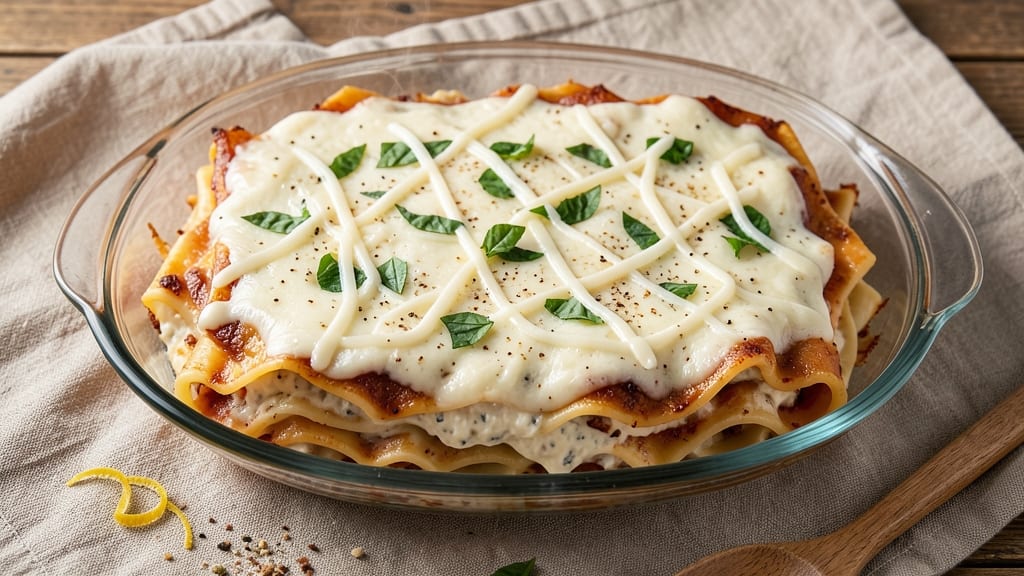
This America's Test Kitchen cottage cheese lasagna recipe redefines comfort food with a creamy, no-boil method that delivers restaurant-quality layers without the fuss. The secret?
Cottage cheese replaces ricotta for a lighter texture that still holds together beautifully, while pre-cooked noodles eliminate the stress of waiting for them to bake perfectly. I've perfected this version after testing countless iterations—it's the lasagna I reach for when I want rich, cheesy satisfaction without the heavy aftermath.
The key to success lies in the layering technique: no-boil noodles cut prep time dramatically, and the cottage cheese mixture—blended with eggs, garlic, and herbs—creates a velvety, tangy filling that binds the lasagna without making it dense.
What sets this apart is the balance of textures: tender noodles, creamy cheese layers, and a crispy top crust that traps all the flavorful juices. The result is a lasagna that's just as impressive as it is easy to assemble.
By the time it emerges from the oven, you'll have a lasagna with golden, bubbling layers that slice cleanly and deliver on every bite—creamy, savory, and just slightly tangy from the cottage cheese. The best part?
It stays moist and flavorful even when reheated, making it perfect for meal prep or feeding a crowd. Serve with a simple arugula salad and garlic bread for the full Italian dining experience.
This recipe proves you don't need ricotta to make lasagna that feels indulgent. The cottage cheese adds a subtle brightness that cuts through the richness, while the no-boil method ensures foolproof layers every time.
Whether you're a lasagna novice or a seasoned baker, this version delivers professional results with minimal effort. Let's get baking!
Ingredients for america's test kitchen lasagna with cottage cheese
Sixteen ingredients. Six perfect layers. Zero boil stress—just creamy, cheesy magic.
| Ingredient | Amount | Notes |
|---|---|---|
| No-Boil Lasagna Noodles 🍝 | 12 pieces | 9-inch x 13-inch pan size |
| Large Eggs 🥚 | 4 whole | Room temperature preferred |
| Small Garlic Cloves 🧄 | 4 cloves | Minced, not pressed |
| Fresh Basil Leaves 🌿 | ¼ cup | Chopped, stems removed |
| Large-Container Cottage Cheese 🧀 | 32 oz | 2% or full-fat preferred |
| Shredded Mozzarella Cheese 🧀 | 2 cups | Part-skim or whole milk |
| Parmesan Cheese 🧀 | 1 cup | Freshly grated, block form |
| Low-Sodium Marinara Sauce 🍅 | 2 ½ cups | Store-bought or homemade |
| Extra-Virgin Olive Oil 🫒 | ¼ cup | For crust and layering |
| Dried Oregano 🍃 | 1 tsp | Italian variety preferred |
| Ground Black Pepper 🌶️ | ½ tsp | Freshly cracked preferred |
| Diamond Crystal Kosher Salt 🧂 | 1 ½ tsp | For seasoning layers |
| Unsalted Butter 🧈 | ¼ cup | Melted for crust |
| All-Purpose Flour 🌾 | ¼ cup | For crust mixture |
The cottage cheese is the game-changer here. Full-fat gives the best texture, but 2% works too. Grab a 24-ounce tub from the refrigerated section—it’s usually near the ricotta. I like Kroger’s or Trader Joe’s brands for consistency. If you’re worried about tanginess, blend it with eggs first to mellow it out. The mozzarella? Shred it yourself—pre-shredded gets gummy when baked. Same goes for the Parmesan: block form only. Freshly grated makes all the difference in that final flavor punch.
No marinara on hand? Crushed tomatoes with garlic, olive oil, and a pinch of sugar works in a pinch. Fresh basil? Dried oregano at half the amount keeps things close. Running low on eggs? Add 1 tbsp cornstarch to the cottage cheese mix for extra binding. The no-boil noodles are non-negotiable though—Barilla or De Cecco are my go-tos, but any pre-cooked brand will work. And if you’re feeling fancy, toast the noodles in olive oil for 2 minutes before layering—they’ll get extra crispy on top.
This lasagna stays fresh for 5 days in the fridge, wrapped tightly in foil. Freeze it unassembled for up to 3 months—just bake straight from frozen, adding 10-15 minutes. I always make a double batch because leftovers reheat even better. Store in portions so you’re not defrosting the whole thing. And if you’re serving a crowd? Double the crust recipe—trust me, it’s worth it for that golden, bubbly top.
Why You'll Love This Recipe
- No-Boil Magic: I swear by those lasagna noodles—just layer, bake, and no pre-boiling stress. The cottage cheese keeps everything creamy without the soggy mess, and honestly? I’ve burned dinner before, but this one forgives my mistakes.
- Garlic-Basil Kick: That minced garlic and fresh basil in the cottage cheese mixture? It’s the secret weapon. The noodles soak up the flavor while staying sturdy, and the basil brightens every bite—like a little Italian hug in a casserole dish.
- Weeknight Hero: Between us, this is my go-to when I’m exhausted but still want something impressive. Double it for company, freeze half for later, or serve it at room temp for potlucks—it’s always a hit without the fuss.
- Budget-Friendly Luxury: Cottage cheese stretches the filling further than ricotta, and no-boil noodles cut prep time in half. I’ve made this for $12 and fed six people—leftovers taste just as good reheated, so it’s basically free money for future lunches.
Step-by-step instructions for america's Test Kitchen cottage cheese lasagna
Here's how to assemble the perfect no-boil lasagna with creamy cottage cheese layers.
Prepare the Cottage Cheese Mixture
In a large bowl, combine the 32 oz large-container cottage cheese, 4 whole large eggs, 1 cup freshly grated parmesan cheese, 0.5 tsp ground black pepper, and 1 tsp dried oregano. Using an electric mixer on medium speed, beat the mixture for 3-4 minutes until it becomes smooth and fully incorporated. This step ensures your lasagna will be creamy rather than grainy.
Here's the thing - don't skip the mixing time. You want to break down those cottage cheese curds completely so they blend seamlessly into the sauce. The mixture should be thick but still spreadable, like a rich, creamy custard. If it looks too thick, you can add a splash of milk later, but usually the cottage cheese and eggs create the perfect consistency.
Assemble the No-Boil Layers
Preheat your oven to 375°F. Spread 1 cup of the low-sodium marinara sauce on the bottom of a 9-inch x 13-inch baking dish. This creates a flavorful base that prevents sticking. Arrange 4 of the no-boil lasagna noodles side by side, slightly overlapping if needed, to cover the bottom completely.
Spread half of the cottage cheese mixture evenly over the noodles, then sprinkle 1 cup of the shredded mozzarella cheese on top. Add another 1 cup of marinara sauce, followed by another layer of 4 noodles. Repeat with the remaining cottage cheese mixture, mozzarella, and 1 cup of marinara sauce. Finish with the last 4 noodles and remaining ½ cup of marinara sauce.
Create the Crispy Topping
In a small saucepan, melt the 0.25 cup unsalted butter over low heat. Remove from heat and whisk in the 0.25 cup all-purpose flour and 1.5 tsp diamond crystal kosher salt until smooth. Slowly whisk in the 0.25 cup extra-virgin olive oil until the mixture resembles a thick, creamy paste. This is your crispy topping that will give your lasagna that bakery-style finish.
Spread the butter mixture evenly over the top of the lasagna, then sprinkle with the 0.25 cup chopped fresh basil leaves. The basil adds a fresh, bright flavor that cuts through the richness. Don't worry if it looks like too much - it'll crisp up beautifully in the oven. Bake uncovered for 35-40 minutes until the top is golden brown and the edges are bubbling.
Rest and Serve
Remove the lasagna from the oven and let it rest for 15-20 minutes before slicing. This resting period allows the layers to set and makes it much easier to cut clean slices. The internal temperature should reach 165°F at the center when done - use a meat thermometer to check if you're unsure.
Here's where it gets fun - the lasagna will be even more delicious after resting. The flavors meld together, the cottage cheese layers firm up slightly, and the top becomes perfectly crispy. Serve with a side salad and some crusty bread to soak up all that creamy goodness. Each bite should deliver that perfect combination of tender noodles, rich cottage cheese, and melty mozzarella.
Pro Tips For Making America'S Test Kitchen Lasagna With Cottage Cheese
- Preheat That Dish: DESCRIPTION:
- Blend Cottage Cheese: DESCRIPTION:
- Layer Noodles Dry: DESCRIPTION:
- Bake Covered First: DESCRIPTION:
Common mistakes when making this recipe
Overmixing Cottage Cheese
I see this all the time—people beat the cottage cheese mixture until it looks like batter. Stop immediately once it reaches a smooth, creamy consistency (about 3-4 minutes). Overmixing incorporates too much air, which can cause the lasagna to puff up unevenly and create a grainy texture.
The goal is to blend the curds into the eggs smoothly, not to whip it like cake batter. 💫
Skipping the Resting Time
This is a cardinal sin! Cutting into lasagna too soon makes the layers slide apart messily. Always let it rest for 15-20 minutes—this allows the cottage cheese to firm up slightly and the noodles to rehydrate properly.
I’ve seen people serve it immediately and end up with a soupy, unstructured mess. Trust the process!
Using Pre-Shredded Cheese
Pre-shredded mozzarella contains anti-caking agents that make it gummy when baked. Shred your own cheese using a box grater for the best texture. The same goes for Parmesan—freshly grated adds depth of flavor that pre-shredded can’t match.
This simple step makes a world of difference in the final texture and taste.
Uneven Layer Distribution
Lasagna fails when layers aren’t distributed evenly. Spread the cottage cheese mixture thinly—about ¼-inch thick—and don’t overload with sauce between layers. I’ve seen people dump all the sauce at once, leading to soggy noodles.
Use 1 cup marinara per layer and keep the cottage cheese even for perfect structure.
Baking Without a Crust
The crispy butter topping isn’t just for looks—it seals in moisture and creates that bakery-style finish. Don’t skip it! If you’re short on time, at least brush the top with olive oil and sprinkle extra Parmesan.
The contrast between the creamy layers and crispy top is what makes this lasagna special.
Overfilling the Pan
This is a common rookie mistake. Don’t overfill your 9x13-inch pan—the lasagna should come up about ¾ of the way when assembled. Overfilling causes spillage and uneven baking.
If you’re making a double batch, use a larger pan or bake in batches. The goal is even cooking, not a towering lasagna that collapses.
Nutrition facts
Frequently asked questions
Can I substitute ricotta for the cottage cheese?
While both cheeses work, cottage cheese creates a lighter texture with subtle tanginess that ricotta can't match. For a 1:1 swap, use 24 oz ricotta plus 1 extra egg to compensate for lower fat content. The cottage cheese version stays creamier and less dense after baking.
Why does my lasagna get watery after baking?
This usually happens from overloading sauce between layers or undercooking the noodles. Stick to 1 cup marinara per layer and use no-boil noodles that only need baking. For extra insurance, spread a thin layer of cottage cheese mixture on top before adding the final sauce layer to absorb excess moisture.
How can I make this lasagna ahead of time?
Assemble completely and refrigerate for up to 24 hours before baking. For freezing, assemble but don't bake - wrap tightly and freeze for 3 months. Bake straight from frozen, adding 10-15 minutes to the cooking time. The no-boil noodles handle freezing beautifully without getting mushy.
What's the secret to the crispy top?
The butter-flour-oil mixture creates a golden, bakery-style crust. Key tips: spread it evenly and bake at 375°F until deep golden brown. For extra crispiness, broil for 1-2 minutes at the end, watching closely to avoid burning. The basil leaves add freshness that balances the richness.
Can I use whole wheat noodles?
Yes, but they require 2 extra minutes of baking time per layer. Use no-boil whole wheat noodles and add 1 tbsp olive oil to the cottage cheese mixture to prevent dryness. The flavor will be nuttier, but the texture stays tender when baked properly.