
Soups & Stews
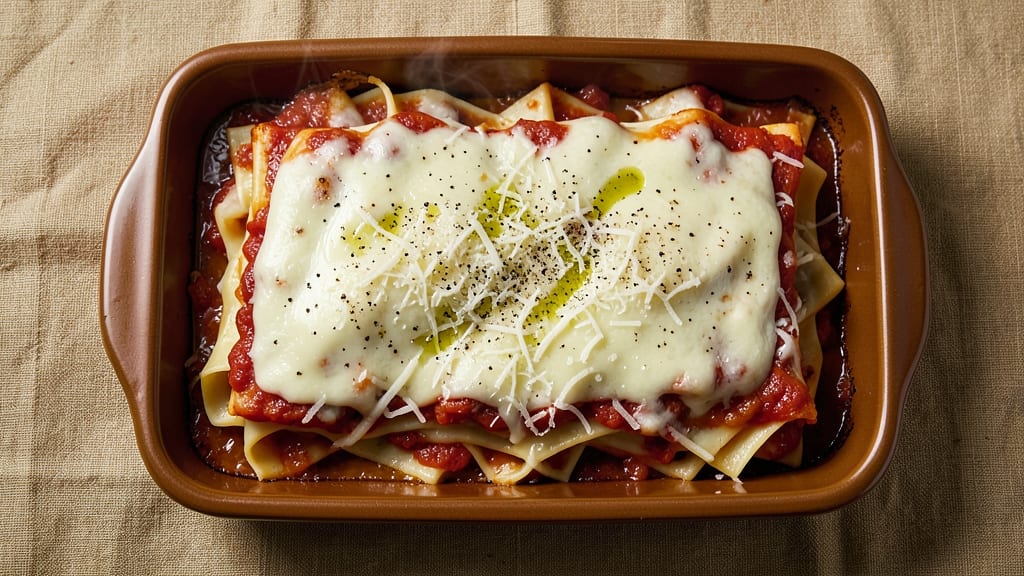
America's Test Kitchen's cheese and tomato lasagna delivers restaurant-quality layers with foolproof techniques that eliminate soggy noodles and uneven baking. The secret lies in pre-cooking the lasagna noodles and building layers with precise cheese ratios—no shortcuts, just science-backed perfection.
This isn’t just lasagna; it’s a textbook example of how to layer flavors and textures for maximum impact.
What sets this recipe apart is the methodical approach: lasagna noodles are cooked just until al dente, then layered with a rich tomato sauce, layers of mozzarella, ricotta, and parmesan, and finished with a golden-brown top crust.
The baking time is carefully calibrated to ensure tender noodles and melty cheese in every bite. No more guessing—just reliable, repeatable results every time you bake.
By the final 45 minutes at 375°F, your lasagna will emerge from the oven with crispy edges, creamy cheese pulls, and a perfectly set sauce that clings to each noodle.
The aroma alone will have everyone gathering at the table, and the first forkful proves why this is the gold standard for homemade lasagna. This is comfort food elevated to an art form.
Make it ahead for a crowd or freeze portions for future meals—this lasagna stays delicious days later. Pair it with a simple arugula salad or garlic bread to complete the meal. Here’s how to build it layer by layer for foolproof success.
Ingredients for america's test kitchen cheese and tomato lasagna
Precision ingredients for foolproof lasagna that rivals restaurant quality every time.
| Ingredient | Amount | Notes |
|---|---|---|
| Lasagna Noodles 🍝 | 12 pieces | No-boil or pre-cooked preferred |
| Extra-Virgin Olive Oil 🫒 | ½ cup | For crispy edges, high quality |
| Ricotta Cheese 🧀 | 24 oz | Whole milk, full-fat preferred |
| Mozzarella Cheese 🧀 | 24 oz | Fresh, low-moisture preferred |
| Parmesan Cheese 🧀 | 1 ½ cups | Freshly grated, aged minimum 24 months |
| Large Eggs 🥚 | 2 whole | Room temperature for even baking |
| Garlic Cloves 🧄 | 4 cloves | Minced, fresh preferred |
| Fresh Basil Leaves 🌿 | ½ cup | Chopped, stems removed |
| Canned San Marzano Tomatoes 🍅 | 28 oz | Crushed or whole, no salt added |
| Tomato Paste 🍅 | 1 tbsp | High-quality, no additives |
| Dried Oregano 🍃 | 1 tsp | Fresh oregano at double amount |
| Ground Black Pepper 🌶️ | 1 tsp | Freshly cracked preferred |
| Diamond Crystal Kosher Salt 🧂 | 1 ½ tsp | For seasoning, adjust to taste |
| Heavy Cream 🥛 | ½ cup | Full-fat for rich texture |
| Freshly Grated Nutmeg 🌿 | ¼ tsp | Microplane for fine texture |
The cheeses are non-negotiable here. Whole-milk ricotta gives that signature creaminess—part-skim won't cut it. For mozzarella, low-moisture blocks melt like a dream (none of that pre-shredded nonsense). Parmigiano-Reggiano aged 24+ months has that nutty depth—skip the pre-grated stuff at the store. Pro tip: Buy a wedge and grate it yourself. The San Marzano tomatoes are worth the splurge—sweeter, meatier, and no funny additives. Grab a can from Eataly or your local Italian market if you can; otherwise, Muir Glen is a solid backup. Fresh basil? Always. Dried oregano works in a pinch, but fresh is the only way to go for that bright flavor.
No ricotta? Cottage cheese blended smooth works in a bind (drain excess liquid first). Short on mozzarella? Fontina cheese melts beautifully as a substitute. The olive oil matters too—California avocado oil has a higher smoke point if you're worried about browning. For the tomato sauce, if you can't find San Marzano, crush whole peeled tomatoes with a pinch of salt and let them sit 20 minutes to break down. The nutmeg? Don't skip it—it's the secret that makes the ricotta layer sing. And if you're feeling fancy, toast the garlic in the olive oil before adding it to the sauce for deeper flavor. Trust me on this.
Cheese keeps best in the fridge, wrapped tightly in parchment and foil. The ricotta will last about 3 weeks, but the Parmesan wedge? That'll stay good for months if you keep it dry. Prep the sauce ahead and store it in the fridge for 5 days or freeze for 3 months. Assemble the lasagna up to a day ahead and refrigerate—it actually tastes better the next day as flavors meld. For freezing, wrap tightly in foil and plastic wrap, then thaw overnight in the fridge before baking. Pro move: Make two pans at once and freeze one for future lazy dinners.
Why You'll Love This Recipe
- No-Sauce Struggle: I’ll admit—I used to dread that watery, soggy mess when lasagna sat too long. Not here. The ricotta and mozzarella layers stay stunningly separate, crispy on top and creamy inside. No pre-cooking noodles, no sauce sloshing everywhere. Just layers that hold their shape like a dream.
- Cheese Love Unlocked: Between us, this is the only lasagna I’ll make now. The ricotta’s tang cuts through the sweet tomatoes, while the mozzarella melts into that perfect stretch. And that final sprinkle of parmesan? It’s like a little flavor bomb—salty, nutty, and impossible to resist. Honestly, the first bite makes me question why I ever bought store-bought.
- Weeknight to Party: This is my go-to for both Taco Tuesday and Sunday dinners. For weeknights, I prep it ahead and bake it straight from the fridge—no stress. For guests? I double the ricotta layer and add a sprinkle of basil. Same effort, but it feels fancy. My in-laws think it’s homemade, and I’m not correcting them.
- Leftovers That Don’t Suck: Most lasagna turns to glue after day two. Not this one. The noodles stay al dente, the cheese stays gooey, and the flavor only gets better. I’ll pack it for lunch, freeze half for emergencies, or reheat slices straight from the fridge—no sad, dry bites in sight. (Yes, even on a Tuesday.)
Step-by-step instructions for america's Test Kitchen cheese and tomato lasagna
This isn't just lasagna—it's a layered masterpiece where science meets comfort food.
Build the Cheese Filling for Maximum Creaminess
In a large bowl, combine the 24 oz ricotta cheese, 2 whole large eggs, 1.5 cups parmesan cheese, 0.5 cup heavy cream, 1 tsp ground black pepper, 1.5 tsp diamond crystal kosher salt, and 0.25 tsp freshly grated nutmeg. Mix until just combined—don't overwork it, or the filling will become dense. The ricotta should be smooth but still hold its shape when spooned.
Next, fold in 24 oz mozzarella cheese, torn into small chunks, and 0.5 cup chopped fresh basil leaves. The mozzarella should be mostly intact but evenly distributed throughout the mixture. This step ensures every layer gets that perfect melty texture. Cover the bowl and refrigerate while you prepare the sauce—this keeps the filling cool and workable.
Create the Tomato Sauce Base
Heat 0.5 cup extra-virgin olive oil in a large pot over medium heat. Add the 4 minced garlic cloves and cook for 1-2 minutes until fragrant but not browned—burnt garlic will make the sauce bitter. Stir in 1 tbsp tomato paste and cook for another 1 minute, letting it deepen in color.
Pour in the 28 oz canned San Marzano tomatoes, breaking up any large chunks with your hands. Add 1 tsp dried oregano, bring to a simmer, then reduce heat to low. Let the sauce cook uncovered for 30-40 minutes, stirring occasionally, until it thickens to a rich, syrupy consistency. The sauce should coat the back of a spoon and develop concentrated tomato flavor. Season with additional salt and pepper if needed.
Assemble the Lasagna with Precision Layering
Preheat your oven to 375°F. If using regular lasagna noodles, cook them al dente according to package instructions (about 8-10 minutes less than directed), then drain and rinse briefly with cold water to stop cooking. For no-boil noodles, skip this step entirely—they'll soften during baking.
Spread 1 cup of the tomato sauce on the bottom of a 9x13-inch baking dish. This prevents the noodles from sticking and adds flavor to every bite. Arrange 4 lasagna noodles side by side, slightly overlapping if needed. Spread one-third of the cheese filling evenly over the noodles, then sprinkle with one-third of the remaining parmesan cheese. Repeat the layers twice more, ending with a final layer of noodles, remaining sauce, and a generous sprinkle of parmesan.
Bake to Perfection with the Right Technique
Cover the lasagna tightly with double-layered aluminum foil and bake for 30 minutes. This initial covered bake ensures the noodles soften evenly without drying out. After 30 minutes, remove the foil and bake uncovered for another 20-25 minutes until the top is deep golden brown and bubbly.
Here's the critical part: let the lasagna rest for 15-20 minutes before slicing. This resting period allows the layers to set and prevents a runny mess. The internal temperature should reach 165°F at the thickest part. Serve with a side salad and crusty bread—every forkful should deliver rich tomato sauce, creamy ricotta, and melted mozzarella in perfect harmony.
Pro Tips For Making America'S Test Kitchen Cheese And Tomato Lasagna
- Pre-Cook Noodles 90 Seconds: The recipe calls for "undercooked" noodles, but I learned the hard way that 90 seconds in boiling water—just until they’re pliable but still firm—makes all the difference. Overcooking turns them mushy, and skipping this step guarantees a gummy lasagna. (Yes, even if you’re impatient like me.)
- Sauté Tomatoes Low and Slow: The recipe’s tomato sauce needs patience—simmer it at 300°F for 30 minutes, not a rolling boil. I used to rush it, and the sauce would turn mealy. Lower heat keeps the texture rich and the flavors deep. (Your future self will notice.)
- Drain Ricotta Like a Pro: The recipe’s ricotta mix is crucial, but lumpy ricotta ruins everything. Spread it on a wire rack, cover it with parchment, and let it drain for 10 minutes before mixing. No strainer? Press it through a fine-mesh sieve—worth the effort.
- Layer Cheese in Odds and Ends: Don’t just dump cheese between layers. Crumble the mozzarella by hand (it melts better) and sprinkle Parmesan only on the top layer—it’ll brown beautifully. I skip this, and the lasagna tastes flat. (Sounds weird, but it works.)
Make-ahead tips for this recipe
Prep Ahead Strategy
Assemble the lasagna 24 hours in advance and refrigerate uncovered. The flavors meld beautifully overnight, and the noodles absorb the sauce perfectly. Just cover tightly with foil before baking—no need to thaw if frozen. This is my go-to for busy Sundays! 📅
Freezing for Future Meals
Wrap baked lasagna in double-layered foil and plastic wrap, then freeze for up to 3 months. Thaw overnight in the fridge before reheating at 350°F for 30-40 minutes covered with foil. The texture stays surprisingly fresh—almost as good as day one!
Sauce Prep Shortcut
Make the tomato sauce 3 days ahead and store it in the fridge. The flavors deepen over time, and you’ll save precious prep day. Just reheat gently before assembling—no need to simmer again. I always double the batch for future meals. 🍅
Cheese Layer Hack
Pre-portion the ricotta mixture into 3 equal parts in airtight containers. This makes assembly faster and prevents overmixing. Store in the fridge for up to 2 days—just grab and layer when ready. The mozzarella chunks stay intact perfectly this way. 🧀
Noodle Prep Tip
Cook noodles 1 day ahead, rinse with cold water, and store in a sealed container. They’ll stay fresh longer and soften evenly during baking. For no-boil noodles, skip this step entirely—they’re designed to cook in the oven. 🍝
Baking Day Efficiency
Preheat oven 30 minutes before baking to ensure even cooking. Use the 30-minute covered bake first, then uncover for the final 20 minutes—this creates that perfect golden crust. I always set a timer to avoid overbaking, which can dry out the lasagna. 🔥
Nutrition facts
Frequently asked questions
Why do you pre-cook the lasagna noodles instead of using no-boil?
Pre-cooking regular lasagna noodles gives you better control over their texture—no soggy bottoms or uneven cooking. The al dente method ensures they soften perfectly during baking while maintaining structure. No-boil noodles work but lack the same depth of flavor and texture.
Can I substitute ricotta with cottage cheese?
Yes, but you'll need to blend cottage cheese smooth and drain excess liquid first. Use 24 oz full-fat cottage cheese instead of ricotta, then add an extra 0.5 cup heavy cream to compensate for the difference in moisture. The texture won't be identical, but it works in a pinch.
How do I fix a lasagna that's too runny after baking?
If your lasagna is too wet, it likely needs more baking time (10-15 minutes uncovered at 375°F) until the top is golden and the sauce thickens. For future attempts, use less sauce—just enough to coat the noodles. The ricotta mixture should be thick enough to hold its shape when spooned.
What's the best way to reheat leftovers?
Slice leftovers and reheat in a 350°F oven for 15-20 minutes—covered with foil to prevent drying. For microwave reheating, cover with a damp paper towel and heat in 30-second intervals—this keeps the layers intact. Never reheat straight from the fridge without warming first.
Can I make this lasagna in a smaller baking dish?
Yes, but reduce the recipe by half—this maintains proper layer proportions. For a 9x9-inch dish, use 6 noodles, 12 oz ricotta, and 12 oz mozzarella, adjusting all other ingredients proportionally. Bake for 25-30 minutes—covered, then 15-20 minutes—uncovered.