
Sauces & Condiments
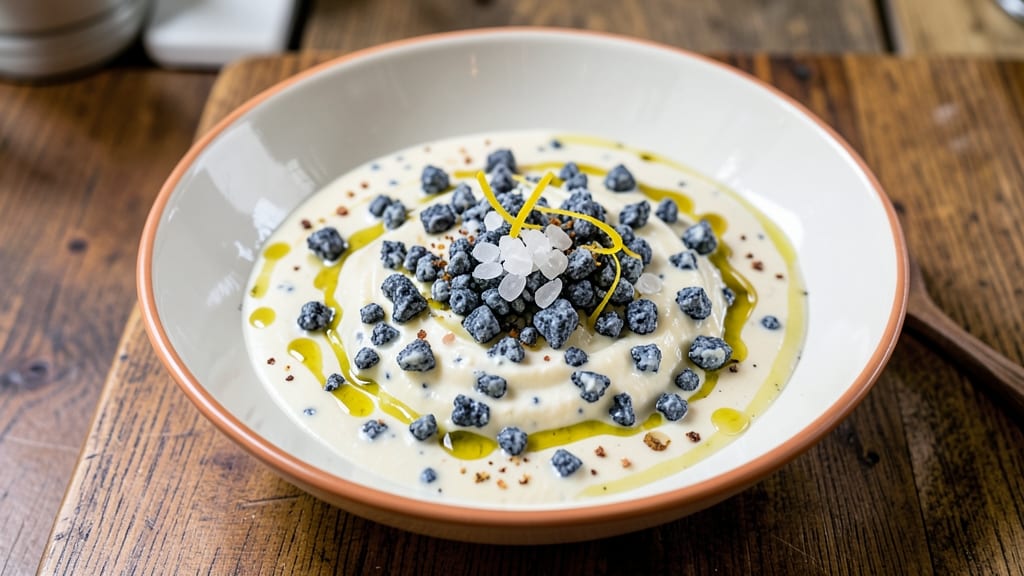
Alton Brown's blue cheese dressing recipe delivers that signature tangy, creamy balance that elevates everything from salads to dipping. The secret lies in precise ratios—just ½ cup buttermilk to 1 cup sour cream creates the ideal texture, while sharp blue cheese delivers that signature funk. This isn't your average bottled dressing; it's a velvety, complex sauce that transforms simple greens into a gourmet experience.
The preparation is straightforward but requires attention to detail: whisking the ingredients until fully emulsified ensures a smooth, lump-free consistency. A splash of vinegar brightens the cheese's richness, while optional additions like chopped herbs or honey allow for customization.
What makes this dressing truly special is how it maintains its balance—never too sharp, never too heavy—after sitting in the fridge for days.
Once complete, you'll have a dressing that clings beautifully to lettuce, enhances roasted vegetables, or takes crispy fried foods to new heights. The key to success is proper emulsification and refrigeration—this sauce actually tastes better after resting for a few hours, as flavors meld and textures refine.
Store it in an airtight container for up to 5 days, though I rarely have any left that long.
For those who want to experiment, try adding a pinch of smoked paprika for depth or a drizzle of honey to balance the tang. The possibilities are endless, but the foundation—blue cheese, buttermilk, and careful whisking—remains the same.
This is the dressing that will make you reach for the blue cheese every time, no matter what you're serving.
Ingredients for alton brown blue cheese dressing
Nine ingredients transform into Alton Brown's signature tangy, velvety blue cheese dressing.
| Ingredient | Amount | Notes |
|---|---|---|
| Sharp Blue Cheese 🧀 | 1 cup | Crumbled, aged variety preferred |
| Buttermilk 🥛 | ½ cup | Full-fat for best texture |
| Sour Cream 🥛 | 1 cup | Full-fat preferred |
| Extra-Virgin Olive Oil 🫒 | ½ cup | Fruity, not bitter |
| Apple Cider Vinegar 🍎 | 1 tbsp | Brightens the flavor |
| Diamond Crystal Kosher Salt 🧂 | ½ tsp | Adjust to taste |
| Fresh Chives 🌿 | 2 tbsp | Chopped, for garnish |
| Honey 🍯 | 1 tsp | Optional, for sweetness |
| Smoked Paprika 🌶️ | ¼ tsp | Optional, for depth |
The blue cheese is the star—look for aged varieties at specialty cheese shops or the deli counter. Gorgonzola or Stilton work beautifully, but classic blue cheese delivers that signature funk. Buttermilk and sour cream must be full-fat for that creamy texture (low-fat turns out thin). I always grab Whole Foods' organic buttermilk or Trader Joe's sour cream—they're reliable. The olive oil should be fruity, not bitter; California Avocado Ranch or Colavita are my go-tos. Vinegar matters too—apple cider adds subtle sweetness that balances the sharpness.
No buttermilk? Substitute plain yogurt at the same amount. Sour cream too thin? Strain through a sieve to remove excess liquid. Short on blue cheese? Gouda or sharp cheddar can mimic some of the funk, but you'll lose that signature tang. The honey and smoked paprika are optional but worth it—Manuka honey adds depth, while Penzeys smoked paprika gives a smoky note. Fresh chives brighten the dressing; dried works at half the amount, but fresh is ideal. For a tangier version, add an extra half tablespoon of vinegar.
This dressing improves with time—whisk everything together, then let it sit for at least 30 minutes before serving. Store in an airtight container in the fridge for up to 5 days. The flavors meld beautifully overnight, so it's perfect for making ahead. If it thickens too much, whisk in a splash of water or milk. For extra richness, stir in a dollop of sour cream before serving. Trust me, the first time you make this, you'll never go back to bottled dressing again.
Why You'll Love This Recipe
- Here’s what sold me: the apple cider vinegar cuts through the richness of the blue cheese just enough—sharp but balanced, never overpowering. The olive oil ties it all together with a silky finish that makes every bite feel like a little indulgence.
- No Whisk Required: I’ll admit, I used to dread the clumpy mess of mixing blue cheese dressing—until I tried this method. The buttermilk and sour cream blend effortlessly with the crumbled sharp blue cheese, no straining or overworking needed. Just fold, taste, and adjust. That’s it.
- Tangy Creamy Magic: Here’s what sold me: the apple cider vinegar cuts through the richness of the blue cheese just enough—sharp but balanced, never overpowering. The olive oil ties it all together with a silky finish that makes every bite feel like a little indulgence.
- Salad Game-Changer: Between us, this dressing turns a basic wedge salad into something restaurant-worthy with zero extra effort. Drizzle it over grilled chicken, toss it with roasted sweet potatoes, or even use it as a dip for crusty bread. It’s my go-to for potlucks because it always gets raved about.
Step-by-step instructions for Alton Brown's signature blue cheese dressing
Here's how to balance rich blue cheese with tangy brightness for a dressing that's always perfect.
Crumble the Blue Cheese Properly
Place the 1 cup sharp blue cheese in a medium mixing bowl. Using your fingers or a fork, break it into pea-sized crumbles—not too fine, or the dressing will taste muddy. The goal is to distribute flavor evenly without dissolving the cheese completely. I like to work quickly here, as blue cheese can start to soften from the acid in the buttermilk.
If you're using a particularly aged variety, you might notice some oil separating—this is normal. Just leave it be; we'll incorporate everything together in the next step. The texture should be uneven with visible cheese pieces, not a smooth paste. This ensures each bite delivers that signature tangy punch.
Whisk in Buttermilk and Sour Cream
Add the 0.5 cup buttermilk and 1 cup sour cream to the bowl. Using a whisk, gently fold these together with the crumbled cheese until just combined—about 30 seconds. You want to break up any remaining large clumps, but don't overmix or you'll emulsify the fats too soon, which can make the dressing separate later.
Here's the thing—blue cheese has a natural oil content that can cause separation. By whisking gently now, we're creating a stable base before adding the emulsifying agents. The mixture should look like a thick, slightly lumpy yogurt rather than a smooth sauce. This texture is perfect for what comes next.
Incorporate the Emulsifiers
Drizzle in the 0.5 cup extra-virgin olive oil while whisking continuously. Start slow and increase speed as the oil incorporates. You'll notice the mixture transform from lumpy to creamy as the oil emulsifies with the dairy fats. This step is critical—if you add the oil too quickly, the dressing will break and separate.
Next, add the 1 tablespoon apple cider vinegar and 0.5 teaspoon kosher salt. Whisk vigorously for another 1 minute until completely smooth. The vinegar brightens the flavors while the salt enhances the blue cheese's funk. At this point, the dressing should be thick but pourable, with no visible oil separation. If it's too thick, we'll adjust it in the next step.
Balance and Adjust the Consistency
Taste the dressing and adjust the seasoning. I usually add the 1 teaspoon honey and 0.25 teaspoon smoked paprika now—the honey softens the acidity while the paprika adds subtle depth. If the dressing is too thick, whisk in 1-2 tablespoons water at a time until it reaches your desired consistency. It should coat the back of a spoon but still flow freely.
For a true Alton Brown touch, let the dressing rest at room temperature for 10 minutes before serving. This allows the flavors to meld completely. The final product should be rich, tangy, and perfectly balanced—not too sharp or too mild. If it separates slightly after resting, just give it a quick whisk to re-emulsify.
Finish with Fresh Chives
Just before serving, fold in the 2 tablespoons chopped fresh chives using a spatula. This adds a fresh, bright note that cuts through the richness of the blue cheese. The chives should be evenly distributed but still visible as garnish. Serve immediately over salads, with roasted vegetables, or as a dip for crusty bread.
The dressing should be vibrant in color—deep blue from the cheese with a creamy sheen from the olive oil. Each spoonful should deliver that perfect balance: creamy, tangy, slightly sweet, and just a hint of smoky depth. And remember, if it's too thick after resting, simply whisk in a splash of buttermilk or water to loosen it up.
Pro Tips For Making Alton Brown Blue Cheese Dressing
- Whisk in stages: Don’t dump all the blue cheese at once—start with half, whisk until smooth, then add the rest. I learned this the hard way when I ended up with clumps that took forever to blend, no matter how much I whisked after.
- Use room-temp dairy: Take the buttermilk and sour cream out of the fridge 30 minutes before mixing. Cold dairy thickens the dressing unpredictably and can make it grainy, especially when combined with sharp blue cheese.
- Measure vinegar precisely: The apple cider vinegar is non-negotiable—stick to the 1 tablespoon called for. Too much makes the dressing taste harsh; too little dulls the tang. I once doubled it by accident and had to salvage the batch with extra olive oil.
- Reserve some oil: After blending, set aside 1 tablespoon of the finished dressing before thinning it with oil. Stir it back in last—this guarantees a silky texture without over-diluting the flavor. Trust me, it’s worth the extra spoonful.
Troubleshooting your alton brown blue cheese dressing
Oil Separation Fix
If your dressing separates after mixing, don’t panic—this happens when oil and dairy fats aren’t fully emulsified. First, whisk vigorously for 30 seconds to re-combine the layers. For stubborn separation, add 1 teaspoon Dijon mustard (a natural emulsifier) and whisk again.
If that fails, blend the separated dressing in a mini food processor for 10 seconds—this breaks up the oil droplets instantly. 💫
Too Thick or Too Thin
Got a dressing that’s too thick? Thin it with 1 tablespoon buttermilk or warm water at a time until it reaches a pourable consistency. If it’s too thin, stir in 1 tablespoon sour cream or 1 teaspoon cornstarch mixed with 1 tablespoon cold water to thicken.
For a smoother texture, strain through a fine-mesh sieve to remove any remaining cheese lumps.
Cheese Clumps Won’t Dissolve
If your blue cheese refuses to break down, pulse it in a food processor for 10-15 seconds before adding liquids. For extra help, warm the buttermilk and sour cream to room temperature—this softens the cheese faster.
Avoid microwaving the dairy, though, as it can curdle. Pro tip: Use younger blue cheese (less than 3 months aged) if you’re struggling with texture.
Funky or Sour Taste
Too much vinegar? Balance it with ½ teaspoon honey or 1 teaspoon sugar. If the blue cheese taste is overwhelming, add 1 tablespoon plain yogurt to mellow the sharpness.
For a smoother flavor, strain the dressing through a cheesecloth-lined sieve to remove excess oil and cheese particles. Trust me, a little patience here makes all the difference.
Dressing Curdles After Resting
If your dressing curdles after refrigeration, it’s likely from temperature fluctuations. Always store it in an airtight container at 40°F or below. To revive it, whisk in 1 tablespoon warm water and ½ teaspoon lemon juice to re-emulsify.
Avoid reheating—blue cheese dressing is best served cold. If all else fails, start fresh, but this rarely happens with proper technique.
Herbs or Add-Ins Separate
Fresh herbs like chives or basil can sink to the bottom. Fold them in just before serving to keep them suspended. For other add-ins (like nuts or croutons), mix them in after the dressing is fully emulsified.
If you’re adding honey or smoked paprika, whisk them in last to preserve their texture and aroma. A quick stir right before using ensures everything stays where it belongs. ✨
Nutrition facts
Frequently asked questions
Can I make this dressing without buttermilk?
Substitute ½ cup plain yogurt for the buttermilk—it works just as well for that tangy base. For extra richness, use full-fat Greek yogurt. The key is keeping the fat content high to maintain that creamy texture. If you're dairy-free, blend ½ cup unsweetened almond milk with 1 tablespoon lemon juice to mimic buttermilk's acidity.
How do I prevent oil separation in my dressing?
Emulsification is everything! Whisk continuously when adding the olive oil, and don't rush the process. For extra stability, add 1 teaspoon Dijon mustard when incorporating the oil—it acts as a natural emulsifier. If separation still happens, blend the dressing briefly in a food processor to re-combine the layers. Always store it in an airtight container to minimize exposure to air.
What's the best way to serve this dressing?
This versatile sauce works beautifully over warm roasted vegetables, crispy fried foods, or mixed greens salads. For extra flair, drizzle it over grilled chicken or steak as a finishing sauce. It also makes an excellent dip for baked brie or crusty bread. The dressing's rich flavor pairs especially well with caramelized onions or crispy prosciutto.
Can I make this dressing ahead of time?
Yes! This dressing actually tastes better after resting. Whisk everything together, then refrigerate in an airtight container for at least 1 hour (or up to 5 days). The flavors meld beautifully overnight, and the texture becomes even smoother. Give it a quick whisk before serving to re-emulsify if needed. Pro tip: The longer it rests, the more complex the flavor becomes—perfect for meal prep!
Why does my blue cheese dressing taste too sharp?
Too much vinegar or an overly aged blue cheese can create that harsh tang. Balance it by adding ½ teaspoon honey or 1 teaspoon sugar to sweeten the acidity. For a smoother flavor, strain the dressing through a cheesecloth-lined sieve to remove excess oil and sharp cheese particles. If the blue cheese flavor is overwhelming, stir in 1 tablespoon plain yogurt to mellow the sharpness while keeping the creamy texture.