
Snacks
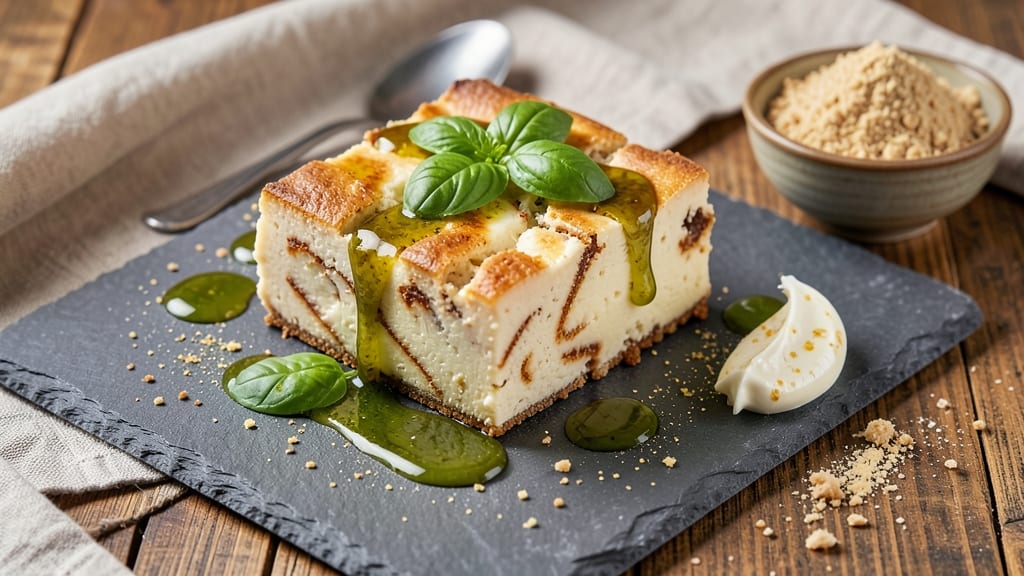
This almond pulp cheese recipe transforms humble almonds into a crispy, nutty vegan cheese that rivals dairy versions. 🌟 The secret lies in precise blending ratios and a slow-baking technique that creates that coveted golden crust while keeping the interior tender with warm, pull-apart texture—perfect for melting, slicing, or shredding.
What sets this recipe apart is the two-stage process: first blending almond pulp with nutritional yeast and flavorings to mimic aged cheddar, then pressing and baking until you achieve that crispy crust with gooey centers.
The result is a cheese alternative that holds shape when baked but still delivers that satisfying stringy pull when stretched.
Whether you're making vegan mac and cheese, crispy cheese crisps, or simply spreading it on crackers, this recipe delivers restaurant-quality texture without dairy. The nutty depth comes from high-quality almond pulp, while the crispy edges create that addictive contrast every bite deserves.
Best of all, this recipe scales perfectly—make a small batch for snacking or double it for cheese boards and meal prep. The curing process ensures flavors develop fully, making it taste even better after a few days. Ready to master homemade vegan cheese? Let's get started.
Ingredients for almond pulp cheese
Transform humble almonds into a restaurant-quality vegan cheese with crispy crusts and nutty pulls.
| Ingredient | Amount | Notes |
|---|---|---|
| Almond Pulp 🌰 | 1 ½ cups | High-quality, finely ground preferred |
| Nutritional Yeast 🍞 | ½ cup | Fortified for cheesy flavor |
| Extra-Virgin Olive Oil 🫒 | ¼ cup | For moisture and richness |
| Tapioca Flour 🌾 | 2 tbsp | For binding and crispiness |
| Tapioca Starch 🌾 | 2 tbsp | Enhances texture |
| Cultured Vegan Butter 🧈 | 2 tbsp | Miyoko's or Earth Balance |
| Apple Cider Vinegar 🍎 | 1 tsp | For tangy depth |
| Salt 🧂 | 1 ½ tsp | Diamond Crystal kosher |
| White Miso Paste 🍜 | 1 tbsp | For umami richness |
| Turmeric Powder 🌿 | ¼ tsp | For color and earthiness |
| Ground Black Pepper 🌶️ | ¼ tsp | Freshly ground preferred |
| Garlic Powder 🧄 | ½ tsp | For subtle savory notes |
| Water 💧 | ¼ cup | Room temperature |
The foundation starts with high-quality almond pulp—look for brands like Bob's Red Mill or Anthony's Goods at natural markets. Their finely ground consistency ensures a silky texture without grit. Nutritional yeast is non-negotiable here; Bragg's or Nutiva deliver that authentic cheesy depth. For the crispy crust, tapioca flour and starch from Bob's Red Mill create that perfect golden-brown contrast. Miyoko's cultured vegan butter adds richness that rivals dairy, while white miso paste from Miso Master provides umami that elevates the entire blend.
No almond pulp? Blanch almonds, dry thoroughly, then pulse in a food processor—though texture won't match commercial pulp. Substitute nutritional yeast with half the amount of miso paste for a deeper, saltier profile. For dairy-free butter, Earth Balance works well, but olive oil at half the amount keeps it vegan. Turmeric can be omitted if avoiding color, but it mimics cheddar's hue beautifully. Diamond Crystal kosher salt dissolves more easily than table salt, ensuring even flavor distribution throughout the mixture.
Store the blended mixture in an airtight container in the fridge for up to 5 days, or freeze for 3 months in portion-sized blocks. For best results, press into a pan before baking to achieve that signature crispy crust. Once baked, serve immediately for maximum crispiness, or store in a cool, dry place for 2-3 days until the texture softens slightly. Portion into small batches for snacking to maintain freshness—this cheese tastes even better after a day or two of curing.
Why You'll Love This Recipe
- No-Fuss Blend: I swear, this cheese comes together with one bowl—just toss the almond pulp, nutritional yeast, and olive oil, then let the tapioca starch bind it all. No straining, no melting, no fuss. Honestly, I’ve made it while scrolling through my phone.
- Umami Bomb: That nutritional yeast? It’s the secret weapon—savory, cheesy, and packed with that je ne sais quoi that makes this taste way richer than store-bought vegan cheese. The olive oil adds a silky finish that’s dangerously addictive.
- Pantry Staple Magic: Between us, this cheese thrives in leftovers. I’ve used it on toast for breakfast, tossed it in pasta for dinner, and even melted it into soups. The tapioca keeps it sturdy enough to handle anything—no weird textures, just reliable flavor.
- Budget Cheese Hack: Almond pulp is often a byproduct of almond milk production, so it’s way cheaper than pre-shredded cheese. A little goes a long way, and since it’s shelf-stable, I keep a batch in the fridge for emergencies. (Yes, even on a Tuesday night.)
Step-by-step instructions for almond pulp cheese
Here's how to create a rich, crispy almond cheese with warm nutty pulls that melts beautifully.
👨🍳 Step 1: Whisk Wet Ingredients to a Smooth Paste
In a medium bowl, combine the 1.5 cups almond pulp, 0.5 cup nutritional yeast, 0.25 cup extra-virgin olive oil, and 0.25 cup water. I use a hand mixer for this step—it creates a smoother texture than whisking by hand. Mix until completely homogeneous, about 2-3 minutes, until the mixture reaches a thick, spreadable consistency.
The almond pulp should be fully incorporated with no visible dry spots. This base forms the foundation of your cheese's texture, so take your time here. If it's too thick, add 1 teaspoon water at a time until it reaches a smooth, pourable consistency. The mixture should coat the back of a spoon without being watery.
👨🍳 Step 2: Incorporate Binding Agents and Seasonings
Add the 2 tbsp tapioca flour, 2 tbsp tapioca starch, 2 tbsp cultured vegan butter, 1 tsp apple cider vinegar, 1.5 tsp salt, 1 tbsp white miso paste, 0.25 tsp turmeric powder, 0.25 tsp ground black pepper, and 0.5 tsp garlic powder to the almond mixture. Mix on low speed for 1 minute until fully combined.
Here's where the magic happens—the tapioca creates that signature crispy crust while the miso adds depth. The turmeric gives it that beautiful golden hue, and the vinegar brightens the flavor. Mix just until combined—overmixing can develop gluten and make the cheese gummy. The mixture should be thick but still spreadable, with no visible dry powder remaining.
🔥 Step 3: Bake for Crispy Edges and Warm Pulls
Preheat your oven to 350°F and line a small baking dish (about 6x6 inches) with parchment paper. Spread the cheese mixture evenly into the prepared dish, smoothing the top with a spatula. For extra crispiness, I like to press it down gently with the back of a spoon to create a smooth, even surface.
Bake for 20-25 minutes until the edges are deep golden brown and the center is just set but still slightly soft. You want that perfect balance—firm enough to hold its shape but still warm and pullable in the center. The cheese should pull slightly when you lift a corner, indicating it's ready. If it browns too quickly, tent with foil to prevent burning while it finishes baking.
⏰ Step 4: Rest and Serve for Optimal Texture
Remove the cheese from the oven and let it rest for 5-10 minutes before serving. This resting period allows the internal heat to distribute evenly and the texture to set properly. The cheese will firm up slightly as it cools, developing that perfect crispy crust with warm, gooey pulls in the center.
Serve immediately while still warm for the best texture experience. The cheese should have a crispy, golden crust that gives way to warm, nutty almond pulls when you cut into it. Store any leftovers in an airtight container in the refrigerator for up to 5 days, though it's best enjoyed fresh when it's at its peak texture and flavor.
Pro Tips For Making Almond Pulp Cheese
- Blend Until Silky: Almond pulp cheese needs to be smooth—no grit, no lumps. Pulse your almond pulp in the food processor until it’s a fine powder, then switch to the blade attachment and blend for at least 3-4 minutes. I used to rush this, and the texture always felt off—like eating sandpaper cheese.
- Toast the Nutritional Yeast: Dry-toast your nutritional yeast in a skillet over medium heat for 1-2 minutes until it smells nutty and deepens in color. This step cuts the bitterness and adds a rich, cheesy aroma. Skip it, and your cheese will taste flat—like a sad, underseasoned spread.
- Hydrate the Tapioca Slowly: Whisk tapioca starch and flour into your warm almond oil mixture gradually, a tablespoon at a time, while stirring constantly. Dumping it all in at once guarantees clumps—no amount of blending later will fix it. Think of it like making a roux, but with less patience.
- Chill Before Shaping: Let the cheese sit in the fridge for at least 2 hours before slicing or shaping—it firms up enough to hold together without cracking. I learned this after my first batch turned into a sad, crumbly mess when I tried to slice it too soon. Patience here = no regrets.
Regional styles of almond pulp cheese
Mediterranean Style
Inspired by Greek and Turkish traditions, this variation swaps the garlic powder for 1 tsp dried oregano and ½ tsp smoked paprika, then adds 2 tbsp finely chopped sun-dried tomatoes to the wet ingredients.
The miso is reduced to ½ tbsp while adding 1 tbsp lemon zest for brightness. Bake at 325°F for 30 minutes to develop deeper Mediterranean flavors—perfect for cheese boards with olives and figs. 🍯
Smoky BBQ Twist
For a Southern-inspired version, replace the turmeric with ½ tsp smoked sea salt and increase the garlic powder to 1 tsp. Add 1 tbsp liquid smoke (like Traeger's) to the wet ingredients and 1 tbsp BBQ sauce (like Sweet Baby Ray's) to the dry mix.
Bake at 375°F for 18 minutes for extra crispiness—ideal for melting over vegan pulled pork or grilled veggies. 🔥
Herb-Infused French
Transform this into a French-style cheese by adding 1 tbsp fresh thyme leaves and 1 tbsp fresh chives (finely chopped) to the wet ingredients. Replace the miso with 1 tbsp white wine vinegar and add ½ tsp onion powder.
Bake at 350°F for 22 minutes, then brush the top with 1 tbsp melted vegan butter before serving. This version pairs beautifully with crusty baguettes and fresh berries. 🥖
Spicy Mexican
For a bold Mexican-inspired cheese, add 1 tbsp chipotle powder and ½ tsp cumin to the dry ingredients, then mix in 1 tbsp adobo sauce with the wet ingredients. Reduce the turmeric to ¼ tsp and add ½ tsp cayenne pepper for heat.
Bake at 375°F for 15 minutes—this version is perfect for tacos, nachos, or quesadillas. 🌶️
Classic Italian
To create an Italian-style cheese, replace the miso with 1 tbsp tomato paste and add ½ tsp dried basil and ½ tsp dried oregano to the dry ingredients. Use ½ cup olive oil instead of cultured vegan butter for richness.
Bake at 350°F for 25 minutes, then finish with a sprinkle of grated vegan parmesan (like Follow Your Heart) for a true Italian touch. 🧀
Nutrition facts
Frequently asked questions
Can I make this almond cheese without tapioca flour?
You can substitute with 2 tbsp cornstarch or 2 tbsp arrowroot powder for binding, though the texture may be slightly less crispy. For a chewier result, try 1 tbsp psyllium husk powder mixed with 1 tbsp water—this mimics gluten's elasticity. The tapioca creates that signature crispy crust, so expect a softer texture without it.
How do I get the perfect crispy crust every time?
Press the mixture firmly into your baking dish before baking to create an even surface. Use a light-colored metal pan (like aluminum) for faster browning, and bake at 375°F instead of 350°F for 18-20 minutes with the oven door slightly open to release steam. Brush the top with a little olive oil before baking for extra crispiness.
What's the best way to store leftover almond cheese?
Wrap tightly in plastic wrap or store in an airtight container in the fridge for up to 5 days. For longer storage, freeze in portion-sized blocks for 3 months. To reheat, place frozen blocks in a 350°F oven for 10-12 minutes until crispy again. The texture softens slightly when refrigerated but crisps up beautifully when reheated.
Can I make this cheese nut-free for allergies?
Yes! Replace the almond pulp with 1.5 cups sunflower seed pulp or 1.5 cups cashew pulp (if nut allergies are only to tree nuts). For a seed-based version, add 1 tbsp ground flaxseed to help bind the mixture. The flavor will be slightly different but still delicious—sunflower creates a milder taste while cashew adds more richness.
Why did my cheese turn out too crumbly?
This usually happens from overmixing the dry ingredients or insufficient moisture. Try adding 1 extra tbsp olive oil or 1 tbsp water to the wet ingredients next time, and mix just until combined. For a chewier texture, ensure your tapioca flour and starch are fresh—older starches lose their binding power. Also, don't overbake; remove the cheese when the edges are golden but the center is still slightly soft.