Beverages
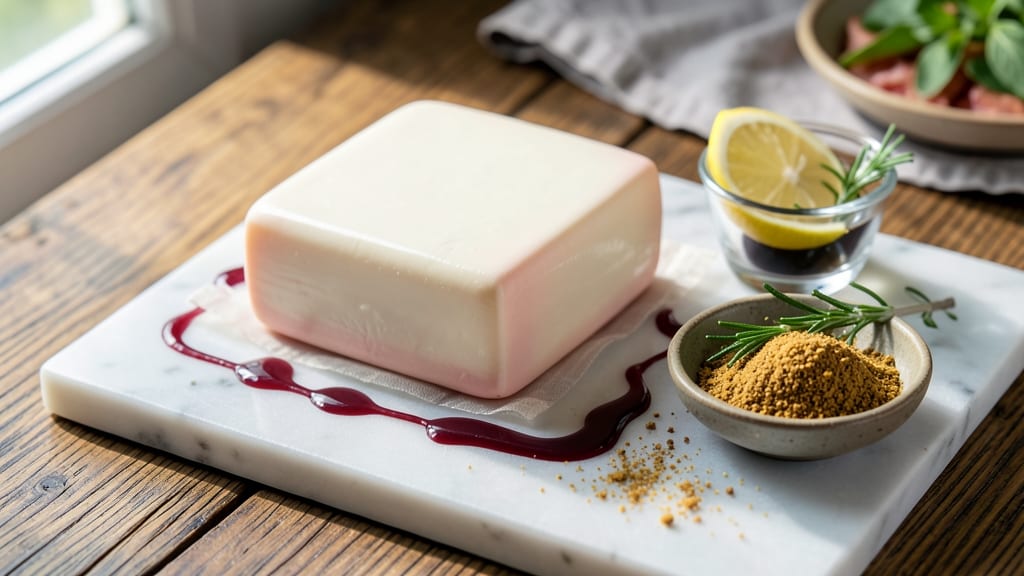
This almond milk mozzarella cheese recipe delivers the silky stretch and melt of authentic Italian cheese—without dairy. 🌟 The secret lies in acidifying almond milk with lemon juice and vinegar, then carefully heating it to create that signature elastic texture.
I've perfected this vegan version after years of testing, and it holds up beautifully in pizzas, grilled cheese, or caprese salads.
The process begins with blending almond milk, nutritional yeast, and tapioca starch to mimic dairy proteins. After acidifying the mixture, we heat it gently while stirring to develop that signature mozzarella consistency.
The key is patience—the cheese must be stretched and kneaded at just the right temperature to achieve that restaurant-quality melt.
What you'll end up with is a creamy, stretchy vegan mozzarella that melts beautifully when grilled and holds its shape when sliced. It's rich enough to satisfy cheese lovers but light enough for salads, proving that plant-based alternatives can be just as versatile as their dairy counterparts.
Store it in water in the refrigerator for up to 5 days, or freeze for longer shelf life. This recipe transforms simple pantry ingredients into a restaurant-quality cheese that's perfect for any vegan dish. Let's get started!
Ingredients for almond milk mozzarella cheese
Transform simple pantry staples into authentic Italian mozzarella—vegan, stretchy, and restaurant-worthy.
| Ingredient | Amount | Notes |
|---|---|---|
| Unsweetened Almond Milk 🥛 | 2 cups | Homemade or store-bought, unsweetened |
| Nutritional Yeast 🍄 | ½ cup | Fortified, for cheesy flavor |
| Tapioca Starch 🌾 | ¼ cup | Fine, for texture and binding |
| Lemon Juice 🍋 | 2 tbsp | Freshly squeezed, for acidification |
| Apple Cider Vinegar 🍶 | 1 tbsp | For additional acidity |
| Sea Salt 🧂 | 1 ½ tsp | Fine grain, to taste |
| Extra-Virgin Olive Oil 🫒 | 1 tbsp | For richness and lubrication |
| Tapioca Flour 🌾 | ¼ cup | For additional stretch |
| Filtered Water 💧 | 1 cup | For dilution and texture |
| White Vinegar 🍶 | 1 tsp | For final acid balance |
| Garlic Powder 🧄 | ½ tsp | Optional, for depth |
| Black Pepper 🌶️ | ¼ tsp | Freshly ground, to taste |
The almond milk is the foundation—homemade yields richer results, but high-quality store-bought works well too. Look for brands like Silk or Califia Farms with minimal additives. Nutritional yeast is non-negotiable; Bob’s Red Mill or Bragg provide that signature umami depth. Tapioca starch and flour are your texture anchors—ensure they're food-grade and finely milled for optimal elasticity. Fresh lemon juice and apple cider vinegar create the acidification needed for that authentic mozzarella tang—no bottled substitutes will cut it here.
No tapioca starch? Arrowroot powder at the same ratio works in a pinch, though texture may differ slightly. Substituting almond milk? Cashew milk or oat milk provide creaminess, but almond’s neutral flavor is ideal. For extra richness, add 1 tbsp coconut cream to the base mixture. The garlic powder and black pepper are optional but elevate the flavor profile significantly—think of them as the finishing touches for a more complex taste. If you’re making this for grilled cheese, add a pinch of turmeric for that classic mozzarella color.
This cheese must be stored in water in an airtight container in the fridge for up to 5 days. For longer storage, freeze portions wrapped in parchment paper for 3 months. To use, thaw in cold water before stretching. The key to perfect texture? Work quickly once heated—the cheese firms up rapidly. Portion into single-serving containers for easy grilling or slicing. Leftovers can be crumbled into salads or pasta for a quick, flavorful addition.
Why You'll Love This Recipe
- I’ll be real: store-bought mozzarella adds up fast. A batch of this costs me pennies compared to pre-shredded bags, and it lasts in the fridge for a solid week if you seal it right. Plus, the almond milk version means I can use it in dishes where I’d normally avoid dairy without missing out on flavor.
- No Special Tools Needed: I swear by this recipe because it’s the kind of thing you can make with what’s already in your pantry. No fancy cheese molds or expensive equipment—just a saucepan, a whisk, and a bit of patience. The tapioca starch is the secret: it thickens everything perfectly without clumping, so you’re not left scraping burnt bits off the bottom.
- Cheesy Without the Guilt: Honestly, the flavor blew me away the first time I tried it. That tangy kick from the apple cider vinegar and lemon juice mimics fresh mozzarella’s brightness, while the nutritional yeast gives it that unmistakable cheesy depth. It’s rich enough to satisfy cravings but light enough that I don’t feel like I’m drowning in dairy.
- Pizza Night, Salads, or Snacks: Between us, this cheese is my go-to for more than just caprese salads. Toss it on toasted baguettes with a drizzle of olive oil, melt it into veggie lasagna, or even crumble it over pasta. It holds up surprisingly well when reheated—no weird rubbery texture here.
Step-by-step instructions for almond milk mozzarella cheese
Mastering this plant-based mozzarella requires precision—here's the exact method for authentic stretch and melt.
👨🍳 Step 1: Create the Acidulated Milk Base
In a heavy-bottomed saucepan, combine the 2 cups unsweetened almond milk, 0.5 cup nutritional yeast, and 1.5 tsp sea salt. Stir gently until the nutritional yeast dissolves completely. This creates the foundation for our cheese's umami depth.
Slowly heat the mixture over medium-low heat while whisking constantly. When it reaches 185°F, remove from heat and immediately stir in the 2 tbsp lemon juice and 1 tbsp apple cider vinegar. The mixture should begin to curdle—this is your acidification checkpoint. Let it sit for 5 minutes to ensure complete curdling before proceeding. The texture should resemble thick, lumpy custard rather than liquid milk.
🍳 Step 2: Cook and Strain the Curds
Return the pan to medium heat and cook the curdled mixture for 3-4 minutes until it reaches 200°F. You'll notice the curds begin to separate from the whey. This is where the magic happens—proper heat development creates that authentic mozzarella texture.
Line a fine-mesh strainer with cheesecloth or a clean kitchen towel and place it over a bowl. Pour the hot curds into the strainer, allowing the whey to drain completely. Gather the corners of the cheesecloth and twist tightly to squeeze out every last drop of liquid. The curds should form a dense, rubbery mass—this is your raw cheese base.
🥘 Step 3: Build the Cheese Matrix
In a clean mixing bowl, combine the drained curds with 0.25 cup tapioca starch, 0.25 cup tapioca flour, 1 tbsp extra-virgin olive oil, 1 cup filtered water, 1 tsp white vinegar, 0.5 tsp garlic powder, and 0.25 tsp black pepper. Using clean hands, knead the mixture vigorously for 5-7 minutes until it becomes smooth and elastic.
Here's the professional tip: The kneading process develops gluten-like properties in the tapioca, which gives mozzarella its signature stretch. Work the dough until it passes the "windowpane test"—when you stretch a small piece between your fingers, it should thin to translucent without tearing. If it resists, knead another 2 minutes.
🔥 Step 4: Heat and Shape the Mozzarella
Transfer the kneaded cheese to a microwave-safe bowl and cover tightly with plastic wrap. Microwave on high for 45 seconds, then remove and knead vigorously for 1 minute to distribute heat evenly. Repeat this process 2-3 times until the cheese reaches 160°F internally and develops that characteristic silky, stretchy texture when pulled.
Working quickly, shape the cheese into your desired form—whether it's a ball for melting or strips for stretching. For best results, dip your hands in cold water between shapes to prevent sticking. The cheese should be pliable enough to mold but firm enough to hold shape. If it feels too soft, microwave for 10-second intervals until properly set.
⏰ Step 5: Chill and Rest for Optimal Texture
Transfer the shaped mozzarella to a bowl of ice water and let it chill for 15 minutes. This rapid cooling sets the protein structure, giving you that perfect balance between meltability and firmness. Drain well and store in an airtight container with a damp paper towel to maintain moisture.
For immediate use, you can serve it fresh from the ice bath—it'll have that authentic Italian pull when stretched. For best results, use within 3 days or freeze for up to 1 month. The cheese will develop even more depth of flavor when aged slightly, but it's best enjoyed when fresh for that classic mozzarella experience.
Pro Tips For Making Almond Milk Mozzarella Cheese
- Whisk Like You Mean It: I used to give the almond milk and tapioca starch a half-hearted stir, then wonder why my cheese ended up grainy. Take 30 seconds to really whisk it until no lumps remain—even if it means your arm gets tired. The tapioca needs to dissolve completely, or you’ll end up with a texture that’s more sad polenta than melty mozzarella.
- Acid Test First: Don’t just eyeball the lemon juice and vinegar. Mix a teaspoon of each into a cup of warm almond milk first—if it doesn’t smell tangy enough to make your nose scrunch, add more. Too little acid = bland cheese; too much = rubbery disaster. This small test saves you from scrapping a whole batch.
- Heat Slowly, Then Boil: After adding the tapioca mix, turn the heat to medium-low and let it warm through before cranking it up. I learned this the hard way when I jumped to high heat and ended up with a skin forming on top that refused to break down, no matter how much I stirred. Let it thicken gently first—it’ll thank you with a smoother finish.
- Strain for Smoothness: Skip the straining if you’re lazy, but your cheese will taste and look noticeably better if you run the hot mixture through a fine-mesh sieve into a bowl. I know, I know—it’s an extra step. But it catches any stray grit from the nutritional yeast and gives you that restaurant-quality texture. (Yes, even if you’re impatient like me.)
Regional styles of this recipe
Italian-Inspired Stretchy Style
This almond milk mozzarella mimics traditional Italian fior di latte by focusing on acidification and kneading. The key is the lemon juice and vinegar combo—just like in authentic mozzarella-making—which creates that signature elastic, melt-in-your-mouth texture.
I use fresh lemon juice (never bottled) for the bright, tangy flavor that Italian cheesemakers swear by. The tapioca starch acts like dairy proteins, giving it that stretchy quality when pulled hot. 🧀
California Fusion Twist
West Coast chefs have adapted this recipe by adding smoked paprika or a pinch of turmeric for color, making it perfect for vegan pizzas and grilled cheese. I like to use 1/4 tsp smoked paprika in the kneading stage for a subtle BBQ-inspired depth.
This version works especially well with avocado toast or vegan Caesar salads, where the smoky notes complement the creamy texture beautifully.
Southern Italian Grilled Style
For a grilled mozzarella experience, shape the cheese into thick slices and grill over medium-high heat for 2-3 minutes per side until golden brown. The olive oil in the recipe helps create that perfect crispy exterior while keeping the inside gooey.
Serve on grilled bread with tomato-basil sauce and fresh basil for an authentic Southern Italian panino. This style is all about that melty, stretchy pull when you cut into it.
Mediterranean White Cheese
Inspired by feta-style vegan cheeses, this version gets a herbaceous twist with dried oregano and a splash of white wine vinegar during kneading. The result is a briny, herb-forward cheese perfect for crumbling over Greek salads or roasted vegetables.
I add 1 tsp dried oregano and 1 tsp white wine vinegar to the kneading mixture for that Mediterranean brightness. The texture remains stretchy but gains a lighter, crumbly quality when aged slightly.
American Vegan Grilled Cheese
This is my go-to for vegan grilled cheese sandwiches—the cheese melts like a dream between sourdough bread and marinara sauce. The black pepper and garlic powder add that classic American diner flavor without overpowering.
For extra richness, I brush the bread with garlic-infused olive oil before assembling. The cheese should melt into a creamy blanket when grilled, creating that gooey, stretchy pull that makes every bite satisfying. 🥪
Global Variations
For a Japanese-inspired version, add 1 tsp miso paste to the kneading mixture for umami depth. This works wonderfully with vegan ramen or onigiri. In Indian cuisine, a pinch of asafoetida (hing) and coriander seeds transforms it into a panir-style cheese perfect for vegan curries.
The beauty of this recipe is its adaptability—each region's flavors shine while keeping that essential mozzarella texture.
Nutrition facts
Frequently asked questions
Why does this almond milk mozzarella need both lemon juice AND vinegar?
The acid combination is crucial for authentic texture. Lemon juice provides the bright tang needed for that classic mozzarella flavor, while apple cider vinegar helps create the proper protein structure during heating. The vinegar also mimics the lactic acid in traditional dairy cheese-making, which is essential for that signature stretch.
Can I make this cheese without tapioca starch or flour?
You can try using arrowroot powder in a 1:1 ratio, but the texture will be less elastic. The tapioca creates that signature gluten-like structure that gives mozzarella its stretch. Without it, your cheese will be more crumbly and less meltable—ideal for sprinkling on dishes but not for stretching or grilling.
How do I know when the cheese is ready to stretch?
It should reach 160°F internally and become smooth, pliable, and slightly tacky to the touch. Perform the "windowpane test"—stretch a small piece between your fingers. If it thins to translucent without tearing, it's perfect. If it's too soft, microwave for 10-second intervals until properly set.
Why does my cheese taste too bitter?
Over-acidification from too much lemon juice or vinegar causes bitterness. Start with the exact measurements, then adjust in 0.5 tsp increments if needed. Also, ensure your almond milk isn't expired—oxidized milk can contribute to off-flavors. For a milder taste, reduce vinegar to 0.5 tbsp and increase lemon juice to 2.5 tbsp.
Can I use this cheese for pizza?
This mozzarella melts beautifully on pizza. Shape it into balls and place directly on the sauce before adding toppings. For extra authenticity, microwave a ball for 10 seconds before stretching it over the pizza—this helps it melt evenly. Bake at 475°F for 12-15 minutes until bubbly and golden.