
Desserts
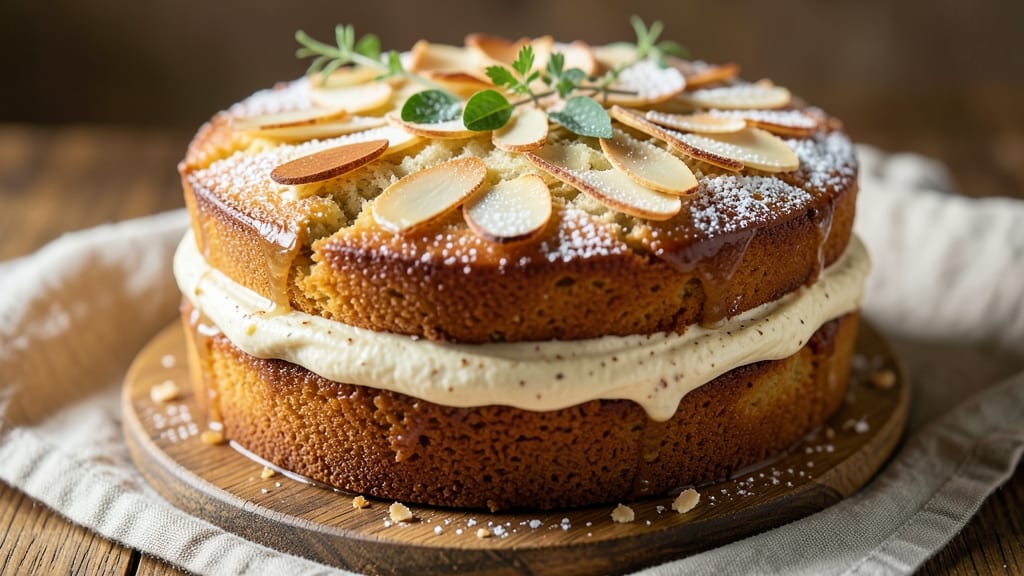
This almond cream cheese pound cake delivers the perfect balance of nutty richness and velvety moisture with a golden, crispy top—ideal for special occasions or satisfying cravings.
The secret lies in layering almond flour for texture and cream cheese for that signature tender crumb, creating a cake that's both elegant and foolproof. Every slice offers a harmonious blend of buttery warmth and toasted almond notes, making it a standout dessert that's surprisingly simple to bake.
The recipe begins with a foolproof mixing method that ensures even distribution of ingredients, preventing dense spots while maintaining that signature pound cake structure. Almond flour adds depth and moisture without overpowering the delicate cream cheese base, while a touch of vanilla and citrus zest brightens the flavor profile.
Baking at the right temperature ensures a perfectly crispy top that contrasts beautifully with the tender interior.
What sets this cake apart is its versatility—serve it warm with vanilla ice cream or at room temperature with fresh berries for a restaurant-quality dessert. The recipe also accommodates dietary preferences with optional vegan adaptations like almond milk and vegan butter, ensuring everyone can enjoy this luxurious treat.
With just a few key techniques, you'll achieve a cake that looks impressive yet comes together effortlessly.
The result is a cake that's moist for days, with a subtle almond aroma that lingers in every bite. Whether you're hosting a gathering or simply indulging in a homemade treat, this recipe delivers professional-quality results with minimal fuss.
Ready to bake a crowd-pleaser that's as beautiful as it is delicious?
Ingredients for almond cream cheese pound cake
Twelve essential ingredients create this luxurious almond cream cheese pound cake with signature crispy top and moist interior.
| Ingredient | Amount | Notes |
|---|---|---|
| Almond Flour 🥜 | 2 cups | Finely ground, unsweetened preferred |
| All-Purpose Flour 🌾 | 1 ½ cups | Sifted for even distribution |
| Cream Cheese 🧀 | 16 oz | Full-fat, room temperature |
| Granulated Sugar 🍚 | 2 cups | Superfine preferred for smooth texture |
| Unsalted Butter 🧈 | 1 ½ cups | Cold, cubed for proper creaming |
| Large Eggs 🥚 | 4 whole | Room temperature for even baking |
| Pure Vanilla Extract 🌿 | 2 tsp | High-quality, Madagascar bourbon preferred |
| Lemon Zest 🍋 | 1 tbsp | Fresh, finely grated |
| Lemon Juice 🍋 | 2 tbsp | Freshly squeezed |
| Baking Powder 🧂 | 2 tsp | Aluminum-free for consistent rise |
| Salt 🧂 | ½ tsp | Diamond Crystal preferred |
| Almond Extract 🥜 | ½ tsp | Pure, not imitation |
| Powdered Sugar 🍚 | ½ cup | For dusting top after baking |
The almond flour is non-negotiable here—Bob's Red Mill or Anthony's Goods brands deliver the finest grind for that signature nutty depth. Cream cheese quality matters too; Philadelphia or Wisconsin Brick brands work best when fully softened at room temperature. For the butter, Plugrá or Land O'Lakes are reliable choices, but never use salted. The superfine sugar ensures a silky texture—Domino or Wholesome Sweeteners make it easy with pre-ground options. Fresh lemon zest adds brightness, so grab a bright yellow lemon from Whole Foods or your local market for optimal flavor.
No almond flour? Substitute with ground blanched almonds—just pulse them in a food processor until fine. Short on cream cheese? Greek yogurt at half the amount works in a pinch, though texture will differ slightly. The almond extract can be swapped for vanilla bean paste at double the amount if you prefer. For the citrus, lime zest works too, though lemon provides that classic pound cake tang. The baking powder must be fresh—if it's over six months old, toss it. And always sift your dry ingredients together for that signature light texture.
Store the cake in an airtight container at room temperature for up to 5 days—it actually improves with age. For longer storage, wrap tightly in plastic and refrigerate for 1 week. The powdered sugar topping should be applied just before serving to maintain crispness. This cake freezes beautifully too—slice before freezing, wrap individually, and enjoy for up to 3 months. For serving, pair with vanilla bean ice cream or fresh berries to complement the almond notes.
Why You'll Love This Recipe
- No Mixer Needed: I swear by this recipe when my mixer’s on the fritz—just fold the almond flour and cream cheese with a wooden spoon until it’s almost smooth. The butter stays cool enough that you won’t end up with a greasy mess, and the sugar dissolves right into that tangy cream cheese base without a fuss.
- Rich Without Overpowering: That first bite? Buttery, yes, but the almond flour keeps it from being heavy—like a hug from a dessert that’s actually light. The cream cheese adds this velvety depth, while the sugar caramelizes just enough to make every slice taste like it was baked yesterday. (Yes, even the day-old pieces.)
- Breakfast or Dessert Hack: Slice it thin for a no-fuss brunch—top with jam and a sprinkle of flaky salt, and suddenly you’ve got a crowd-pleaser that doesn’t require a soufflé. Or save the leftovers for a midnight snack when you’re craving something sweet but don’t want to turn on the oven. It’s the ultimate “I’ll have it now” cake.
- Leftovers That Last: This cake doesn’t dry out like regular pound cake—thanks to the fat from the butter and cream cheese, it stays moist for days. I’ve wrapped slices in parchment and tossed them in my lunchbox without a second thought. Plus, the almond flour stretches the butter further, so you’re not breaking the bank for a single serving.
Step-by-step instructions for almond cream cheese pound cake
Master the balance of nutty richness and tender crumb with these precise techniques.
Cream Butter and Sugar for Maximum Air Incorporation
In a stand mixer fitted with the paddle attachment, combine the 1.5 cups unsalted butter (cold, cubed) and 2 cups granulated sugar. Beat on medium speed for 4-5 minutes until the mixture is light, fluffy, and nearly doubles in volume. You're looking for a pale, ribbony texture that scrapes clean from the bowl sides—this ensures proper air incorporation for that signature pound cake tenderness.
I press down on the butter occasionally with a spatula during the first minute to break it into smaller pieces. This prevents large butter clumps from forming and guarantees even distribution throughout the batter. The butter should be soft but not melted when you're done—it should hold its shape when pressed but still be pliable.
Incorporate Cream Cheese and Wet Ingredients
Reduce the mixer speed to low and add the 16 oz cream cheese in 4 equal additions, mixing just until combined after each addition. This gradual incorporation prevents the cream cheese from breaking down and turning the batter grainy. After the cream cheese is fully incorporated, add the 4 whole large eggs one at a time, mixing on low speed for 10 seconds after each addition.
Next, whisk together the 2 tsp pure vanilla extract, 1 tbsp lemon zest, 2 tbsp lemon juice, 0.5 tsp almond extract, and 0.5 tsp salt in a small bowl. Slowly pour this mixture into the wet ingredients while mixing on low speed. The lemon and almond extracts add bright, complex flavors that cut through the richness of the cream cheese and butter. This step should take about 30 seconds—overmixing at this stage develops gluten in the flour we haven't added yet.
Combine Dry Ingredients for Perfect Texture
In a separate bowl, sift together the 2 cups almond flour and 1.5 cups all-purpose flour with the 2 tsp baking powder. The sifting ensures even distribution of the baking powder and prevents lumps in the final batter. Gently fold the dry ingredients into the wet mixture using a spatula, mixing just until combined—you should still see streaks of flour. This folding technique preserves the air incorporated earlier and creates the signature tender crumb.
Here's where the magic happens: the almond flour adds moisture while keeping the cake dense, while the all-purpose flour provides structure. Don't overmix—stop as soon as the flour disappears. The batter should be thick but pourable. If it's too thick, you can gently fold in 1-2 tablespoons of milk (though our recipe doesn't call for it, this is a troubleshooting measure).
Bake with Precision for Crisp Top and Moist Crumb
Preheat your oven to 350°F and grease a 10-inch tube pan generously with butter, then dust with flour. Pour the batter into the prepared pan and smooth the top with an offset spatula. Tap the pan gently on the counter 3-4 times to remove any air bubbles that might have formed during mixing.
Bake for 55-65 minutes, or until a toothpick inserted into the center comes out clean with just a few moist crumbs clinging to it. The cake should have a deep golden brown, almost crisp top while remaining tender inside. I like to tent the pan loosely with aluminum foil after 40 minutes of baking to prevent the top from browning too quickly—this helps create that perfect contrast between crisp exterior and moist interior.
Cool and Finish for Optimal Texture
Remove the cake from the oven and let it cool in the pan for 15 minutes. Then invert the cake onto a wire rack and let it cool completely before slicing. This cooling process is crucial—it allows the cake to set properly and prevents it from becoming gummy. While the cake cools, sift the 0.5 cup powdered sugar over a fine-mesh sieve and dust it evenly over the top of the cooled cake. This final step adds a delicate sweetness and enhances the presentation.
The finished cake should have a dense yet tender crumb with a crisp top crust that gives way to moist, almond-infused layers. Each slice should be rich from the cream cheese, lightly sweet from the sugar and lemon, and subtly nutty from the almond flour. For best results, serve at room temperature—this allows all the flavors to fully meld together.
Pro Tips For Making Almond Cream Cheese Pound Cake
- Mix Cream Cheese Cold: Cream cheese behaves like a diva when warm—it turns greasy and fights you. Scoop it straight from the fridge, grate it if it’s block form, and fold it into the butter last (yes, even though recipes say otherwise). This keeps the crumb tender without turning your cake into a dense brick.
- Sift Almond Flour Twice: Almond flour is sneaky—it packs down like snow when you measure it. Sift it before mixing, then sift again right into your bowl. This lightens the texture and cuts down on lumps, so your cake rises instead of sinking under its own weight.
- Check Doneness at 325°F: The instant you crack open the oven door at 350°F, your cake’s edges will start to dry out faster than your patience. Pull it out when the center springs back just slightly (not fully) at 325°F—then tent it with foil for 10 minutes. This traps moisture while it finishes setting.
- Use Room-Temp Butter: Cold butter creates pockets that won’t melt evenly, leaving you with a cake that’s cakey on the outside and doughy in the middle. Let your butter sit out for 30–45 minutes until it’s soft but still holds its shape—like a warm handshake, not a puddle.
Storing and reheating this recipe
Room Temperature Storage
Let your almond cream cheese pound cake cool completely before storing it at room temperature in an airtight container with a lid. I swear by Rubbermaid Brilliance containers—they seal tight and keep the cake moist for up to 5 days.
The key is to slice it before storing so each serving maintains that perfect crispy top and tender crumb. Place a piece of parchment paper between layers if you're stacking slices to prevent sticking. 🥜
Refrigerator Preservation
For longer storage, refrigerate your cake in the same airtight container for up to 1 week. The cold temperature actually enhances the almond flavor, making each slice even more aromatic. Let the cake sit at room temperature for 15-20 minutes before serving to restore its ideal texture.
I've found that wrapping individual slices in plastic wrap before refrigerating preserves their moisture even better—just unwrap and dust with powdered sugar right before serving. ❄️
Freezer-Friendly Slices
This cake freezes beautifully for up to 3 months with minimal texture loss. Wrap each slice tightly in plastic wrap, then place them in a freezer bag with all the air squeezed out. Label with the date and freeze flat for easy stacking.
To serve, thaw overnight in the refrigerator or at room temperature for 2-3 hours. The texture remains moist, though the top may lose some crispness—just pop it under a broiler for 30 seconds to restore that golden crunch. 💫
Reheating Perfection
For the best results, reheat individual slices at 350°F for 5-7 minutes wrapped in foil to maintain moisture. I use a toaster oven for precision—it heats evenly without drying out the cake. If you prefer microwave reheating, use 30-second intervals on medium power until warmed through.
Always dust with fresh powdered sugar after reheating to refresh the presentation and add that final sweet touch. 🔥
Serving Warm Tips
Warm slices pair beautifully with vanilla bean ice cream or whipped cream—the contrast of temperatures enhances the cake's nutty richness. For a restaurant-style presentation, dust with toasted almond slivers and a sprinkle of flaky sea salt before serving.
I love adding a lemon curd drizzle (just 1 tbsp warmed) for that bright citrus note that complements the almond flavor perfectly. 🍋
Nutrition facts
Frequently asked questions
Why does this cake have almond flour instead of regular flour?
Almond flour adds a nutty depth and moisture that regular flour can't match, while keeping the cake tender. It also creates that signature dense-yet-light texture perfect for pound cakes. The combination with all-purpose flour ensures structure without dryness.
Can I make this cake without a stand mixer?
Use a hand mixer or even a sturdy whisk. For the butter-sugar mixture, beat vigorously for 6-8 minutes until light and fluffy. When incorporating cream cheese, add it gradually to prevent graininess. Just be patient—hand mixing takes more elbow grease but works perfectly.
What's the secret to getting that crispy top?
The crispy top comes from baking at 350°F until golden brown and tenting the cake with foil after 40 minutes to control browning. A properly greased tube pan also helps create that perfect contrast between crisp exterior and moist interior. Don't skip the powdered sugar dusting after cooling—it adds that final crunchy finish.
How do I know when the cake is fully baked?
Insert a toothpick into the center—it should come out with just a few moist crumbs (not wet batter). The cake should also spring back slightly when gently pressed. For tube pans, check the center tube too—it should be fully set. Baking times vary slightly by oven, so always rely on the toothpick test over time alone.
Can I substitute the cream cheese for something else?
For a similar texture, try Greek yogurt (reduce by half) or sour cream (same amount). For richer flavor, use ricotta cheese (add 1 tbsp milk to balance). Vegan option? Use vegan cream cheese or blend silken tofu with lemon juice for a dairy-free alternative. The cake will be slightly different but still delicious.