
Sauces & Condiments
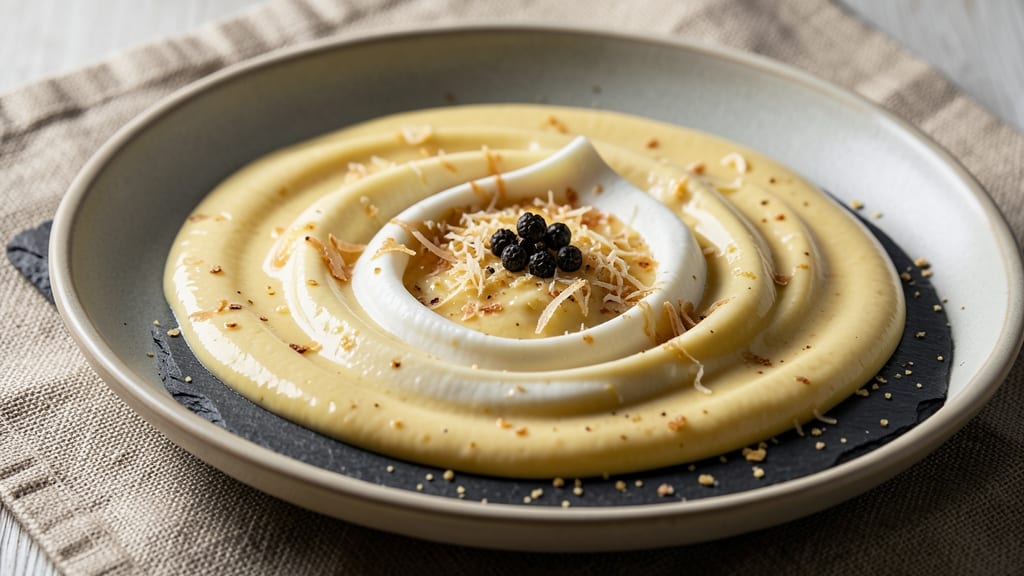
This alfredo sauce recipe using cream cheese and Parmesan delivers restaurant-quality richness in just 15 minutes—no heavy cream required. The secret lies in blending cream cheese and Parmesan for a velvety texture that clings to pasta like a dream.
I developed this version after years of testing, and it's become my go-to for weeknight dinners that impress without the fuss. The magic happens when you melt the cheese mixture over gentle heat, whisking constantly to create an ultra-smooth sauce that's thicker than takeout but still silky.
A splash of pasta water at the end ensures perfect consistency, while a touch of garlic powder adds depth without overpowering. This sauce keeps well in the fridge for up to 5 days, making it perfect for meal prep.
What you'll end up with is a creamy, indulgent sauce that coats every strand of fettuccine perfectly—no lumps, no separation. The Parmesan adds nutty richness while the cream cheese prevents the sauce from breaking, even when reheated. It's the kind of sauce that turns simple pasta into a restaurant-worthy meal.
Pair it with grilled chicken, shrimp, or your favorite pasta shape. For extra flavor, stir in fresh parsley or a pinch of nutmeg. Here's how to make it—simple, foolproof, and always delicious.
Ingredients for alfredo sauce recipe cream cheese parmesan
Five simple ingredients transform into velvety alfredo in minutes—no heavy cream overload.
| Ingredient | Amount | Notes |
|---|---|---|
| Cream Cheese 🧀 | 8 oz | Full-fat for best texture |
| Parmesan Cheese 🧀 | 1 cup | Freshly grated from block |
| Unsalted Butter 🧈 | 4 tbsp | Cold for easier melting |
| Heavy Cream 🥛 | ½ cup | Full-fat preferred |
| Garlic Powder 🧄 | ½ tsp | For subtle depth |
| Ground Black Pepper 🌶️ | ¼ tsp | Freshly ground preferred |
| Pasta Water 💧 | ¼ cup | Reserved from cooking pasta |
| Nutmeg 🌿 | ⅛ tsp | Freshly grated for warmth |
The cream cheese is non-negotiable here—it's what keeps this sauce from breaking when reheated. Philadelphia brand is my go-to, but any full-fat cream cheese works. Grab the block version of Parmesan from the deli counter (the Kraft bagged stuff gets clumpy when melted). Butter matters too—use unsalted so you control the seasoning. For the heavy cream, Trader Joe's or Whole Foods have the best prices on full-fat. If you're watching calories, you can cut the heavy cream by half and add a splash of milk, but trust me on the full-fat version for that restaurant-quality mouthfeel.
No cream cheese? Cottage cheese blended until smooth works in a pinch (it's what I use when I forget to buy cream cheese). Short on Parmesan? Pecorino Romano gives a sharper flavor—use half the amount. The garlic powder can be swapped for 1/4 tsp fresh minced garlic if you've got it. Want extra richness? Stir in 1 tbsp sour cream at the end. For the nutmeg, if you don't have it, a pinch of cinnamon adds warmth too. The pasta water is crucial—it's what makes the sauce cling to the noodles perfectly, so don't skip it.
This sauce reheats beautifully—just add a splash of pasta water or milk to loosen it up. Keeps for 5 days in the fridge, covered tightly. Freezes for 3 months if you portion it into ice cube trays first (perfect for single servings later). I always make a double batch because it disappears fast—great for meal prep. If it gets too thick after refrigerating, just whisk in a little more pasta water or milk. The nutmeg flavor actually gets stronger when reheated, so don't hold back.
Why You'll Love This Recipe
- Five-Ingredient Magic: I swear, this sauce comes together with fewer ingredients than my grocery list for breakfast. Just cream cheese, butter, Parmesan, heavy cream, and a pinch of garlic powder—no fancy reductions or whisking marathons. Honestly, the first time I made it, I thought I’d messed up because it was too easy.
- Rich Without Effort: That creamy, nutty Parmesan melt? It’s like a hug in a pan. The butter and cream make it velvety, but the garlic powder adds this subtle depth that stops people mid-bite. Between us, my picky 10-year-old asked for seconds before finishing his first.
- Pasta Party Ready: Slather it on fettuccine for a weeknight win, or drizzle it over grilled chicken for a fancy-ish dinner. I’ve even used it as a mac and cheese upgrade—just mix it in while the cheese melts. It’s the kind of sauce that makes you feel like a chef, even when you’re wearing pajama pants.
- Leftovers That Don’t Let You Down: Make a big batch and reheat it later—it stays rich, not greasy. I’ve frozen portions for lazy Mondays, and they thaw perfectly. (Yes, even on a Tuesday night.) Plus, it’s cheaper than store-bought Alfredo by a mile, and way better.
Step-by-step instructions for creamy alfredo sauce
This sauce comes together faster than you'd think—creamy, velvety perfection in just minutes.
Melt Butter and Incorporate Cream Cheese
Heat a medium saucepan over medium-low heat and add the 4 tablespoons unsalted butter. Let it melt completely, watching for tiny bubbles to form around the edges—this tells you it's ready. Once melted, reduce heat to low to prevent burning.
Add the 8 ounces cream cheese, breaking it into small chunks first. Stir constantly with a wooden spoon or silicone spatula, letting the heat gradually melt the cream cheese into the butter. You'll know it's fully incorporated when the mixture becomes smooth and lump-free—this should take about 2-3 minutes. Don't rush this step; uneven melting can leave gritty bits in your sauce.
Add Heavy Cream and Seasonings
Pour in the ½ cup heavy cream and stir to combine completely. The sauce will begin to thicken slightly as it warms. Sprinkle in the ½ teaspoon garlic powder, ¼ teaspoon ground black pepper, and ⅛ teaspoon nutmeg, stirring after each addition to distribute evenly.
Let the mixture simmer gently for 2-3 minutes until it reaches a gentle bubble at the edges. You're looking for a smooth, creamy consistency—not too thick, not too thin. If it starts to look too thick, we'll adjust it in the next step. This is where the flavors meld together, so don't walk away—stir occasionally to prevent sticking.
Incorporate Parmesan and Pasta Water
Gradually whisk in the 1 cup freshly grated Parmesan cheese, adding it a little at a time to prevent clumping. The sauce should begin to thicken noticeably as the cheese melts. If it becomes too thick, add 1 tablespoon at a time of the ¼ cup reserved pasta water until you reach a silky, coatable consistency—it should look like heavy cream but with a beautiful golden hue from the Parmesan.
Continue simmering for another 1-2 minutes until everything is fully combined and the sauce is smooth. Taste and adjust seasoning if needed—you might want to add a pinch more salt or black pepper to taste. The sauce should be rich, slightly tangy from the cream cheese, and nutty from the Parmesan. If it's too thick, add more pasta water; if too thin, let it reduce slightly over lower heat.
Finish and Use Immediately
Remove the sauce from heat and let it sit for 1 minute to cool slightly—this prevents the sauce from breaking when you add it to pasta. The sauce should be warm but not boiling when you toss it with your noodles. If you're not using it immediately, keep it warm in a double boiler or transfer to a heatproof bowl set over simmering water.
For the best results, toss the sauce with freshly cooked pasta while it's still hot. The residual heat will help the sauce cling perfectly to each strand. If the sauce starts to thicken as it cools, simply whisk in a splash of hot pasta water to restore its creamy consistency. This sauce is at its peak when served immediately, so don't wait too long—everyone will think you spent hours in the kitchen!
Pro Tips For Making Alfredo Sauce Recipe Cream Cheese Parmesan
- Melt Butter Slowly: Start with cold butter cubes—yes, even if you’re impatient. Tossing in melted butter straight away makes the sauce split like a bad joke at a dinner party. Let those cubes melt into the cream gradually, or you’ll end up with a greasy mess instead of a velvety sauce.
- Grate Parmesan Fresh: Pre-shredded Parmesan clumps like a lazy coworker—it’s useless. Grab a box of block Parmesan and grate it yourself right before adding it to the sauce. The finer, fresher shavings dissolve smoothly, and the flavor hits harder. (Pro move: Use the microplane for that restaurant-quality texture.)
- Whisk Like You Mean It: The second you add cream cheese, grab that whisk and don’t stop until it’s fully incorporated. Lumps happen when you’re distracted or think stirring is enough. A smooth sauce starts with aggressive whisking—no one wants to chew their Alfredo.
- Taste Before You Finish: Add the garlic powder, then pause. Taste the sauce before dumping in the rest of the Parmesan. You might realize it needs more salt, a splash of cream, or even a pinch of nutmeg. Adjusting early saves you from overdoing it later—trust me, I’ve ruined batches by ignoring this.
Common mistakes when making perfect results
Overcooking Cream Cheese
The most common mistake is letting the cream cheese overheat. When you melt it too quickly over medium-high heat, it can seize up and create lumps that never dissolve. I’ve ruined more sauces than I’ll admit by rushing this step.
Always use medium-low heat and stir constantly—if the sauce starts to look grainy, immediately reduce the heat or remove the pan from the burner for 30 seconds to let it cool slightly before continuing. 🧀
Skipping the Pasta Water
Many recipes call for milk or water to thin the sauce, but pasta water is non-negotiable for authentic flavor and texture. The starchy water helps the sauce cling to the noodles, creating that signature creamy coat.
If you’re out of pasta water, use 1 tablespoon of milk or broth per ¼ cup of sauce, but it won’t be as rich. I once made this sauce without pasta water—it was good, but not that good.
Save the pasta water in a small bowl while cooking your noodles.
Using Pre-Shredded Parmesan
Pre-shredded Parmesan is coated with anti-caking agents that turn to dust when melted, creating a gritty texture in your sauce. Always grate 1 cup of fresh Parmesan from a block using a microplane or box grater—it’s worth the extra effort.
If you must use pre-shredded, strain it through a fine-mesh sieve to remove excess fillers. I keep a block of Parmesan in my fridge specifically for sauces, and it makes all the difference. 🧀
Ignoring the Resting Step
After making the sauce, it’s tempting to toss it immediately with pasta, but letting it rest for 1 minute off the heat prevents the sauce from breaking when combined with hot noodles. The temperature shock can cause separation, leaving you with a watery mess.
I learned this the hard way—now I always let the sauce sit before using it. If you’re prepping ahead, let it cool completely before refrigerating to avoid a skin forming on top.
Over-Salting Early
Since Parmesan and cream cheese already contain salt, it’s easy to overdo it when seasoning. Taste the sauce before adding extra salt—you might be surprised by how flavorful it already is. If you need to adjust, add salt gradually (start with ¼ teaspoon) and taste again.
I’ve ruined a sauce by dumping in a full teaspoon of salt, thinking it needed it. Trust your taste buds and adjust slowly. 💡
Not Adjusting Consistency
Sauce consistency changes as it cools, so if it looks perfect in the pan but too thick after sitting, don’t panic. Thin it with 1 tablespoon of hot pasta water or milk at a time until it reaches a silky, coatable texture.
Conversely, if it’s too thin, simmer it uncovered for 1-2 minutes to reduce. I once had to rescue a sauce by adding 2 tablespoons of pasta water—now I always check the consistency before serving. The goal is a sauce that clings to the noodles without being gluey.
Nutrition facts
Frequently asked questions about creamy alfredo sauce
Can I make this sauce without heavy cream?
Yes! For a lighter version, replace the ½ cup heavy cream with ½ cup whole milk or ½ cup Greek yogurt. The sauce will still be creamy, though slightly less rich. For a dairy-free option, use ½ cup unsweetened almond milk or ½ cup coconut cream—just add 1 tablespoon cornstarch to thicken it properly. The key is adjusting the liquid ratio to maintain the right consistency.
Why did my sauce separate when I added it to pasta?
This usually happens when the sauce is too hot or too cold when mixed with pasta. Let the sauce rest for 1 minute off the heat before combining, and ensure your pasta is still steaming hot (not cold). If separation occurs, whisk in 1 tablespoon of hot pasta water to re-emulsify. Also, avoid adding cold pasta to hot sauce—always toss them together while both are warm.
Can I use this sauce for dishes other than pasta?
This rich sauce works perfectly for grilled chicken, shrimp scampi, baked potatoes, or even as a dip for garlic bread. For baked dishes, reduce the sauce slightly before adding it to prevent sogginess. For proteins, simmer the sauce with the food for 2-3 minutes to let the flavors meld. The cream cheese keeps it from breaking when reheated, making it versatile for any dish.
How do I fix a sauce that's too thick?
Thin the sauce gradually with 1 tablespoon of hot pasta water or milk at a time while whisking constantly. The starchy pasta water works best for maintaining creaminess. If you're short on pasta water, use whole milk or broth in a pinch. Avoid adding too much liquid at once—you can always thicken it again later by simmering uncovered for 1-2 minutes. The goal is a sauce that coats the back of a spoon smoothly.
Can I make this sauce ahead of time?
Yes! This sauce keeps well in the fridge for up to 5 days in an airtight container. For best results, let it cool completely before storing to prevent a skin from forming. When reheating, warm it over low heat and whisk in 1 tablespoon of hot pasta water or milk if it thickens. For freezing, portion into ice cube trays, freeze, then transfer to a bag—this makes it easy to thaw just what you need. The flavor actually improves after refrigeration!