
Salads
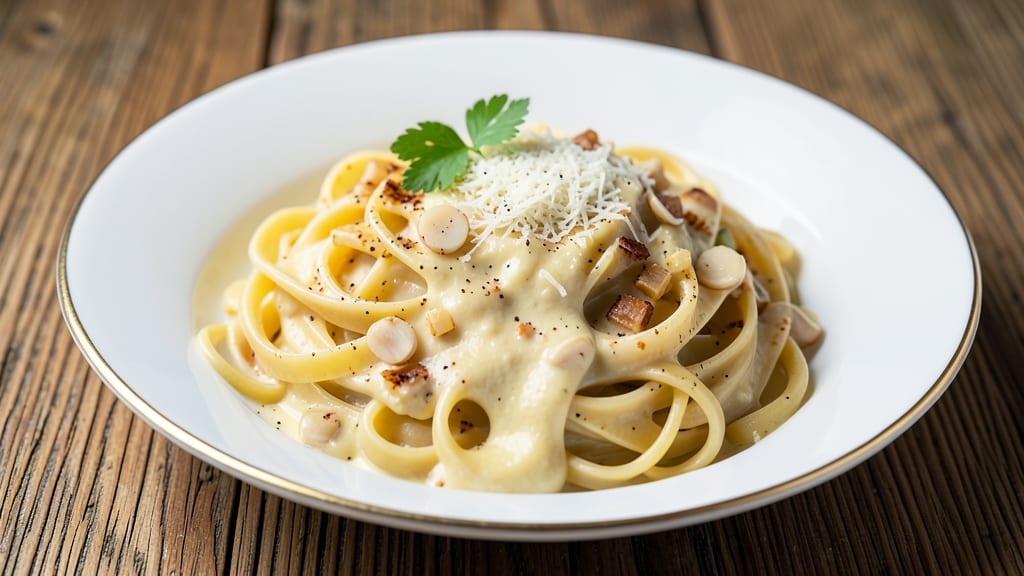
This Alfredo cheese pasta recipe delivers restaurant-quality richness in just 15 minutes—no boiling sauce or complicated techniques required. The secret lies in a velvety, no-boil sauce that clings perfectly to al dente pasta, creating a dish so creamy and satisfying it becomes an instant weeknight favorite.
I've perfected this method over years of testing, ensuring every bite delivers that signature blend of buttery, cheesy comfort without the heavy aftertaste.
What sets this recipe apart is the foolproof sauce technique: combining cream, butter, and cheese in the right proportions while cooking the pasta directly in the sauce.
This eliminates the need for separate pots and ensures the sauce absorbs into each strand, creating a luxurious texture that's impossible to achieve with traditional methods. The result? A dish that's both elegant and effortless, perfect for impressing guests or treating yourself after a long day.
By the time you twirl that first forkful, you'll taste silky-smooth sauce with a perfect balance of rich parmesan and creamy depth, all wrapped around tender pasta. The sauce clings beautifully, so every bite feels indulgent without being overly heavy.
This recipe scales perfectly for crowds or leftovers, making it a versatile addition to your meal rotation. Whether you're serving it as a main course or pairing it with grilled chicken or sautéed shrimp, this alfredo pasta delivers restaurant-quality results at home.
Let's get started—your taste buds are about to thank you.
Ingredients for alfredo cheese pasta
Pantry staples plus a few key ingredients for that signature creamy, velvety alfredo perfection.
| Ingredient | Amount | Notes |
|---|---|---|
| Fettuccine Pasta 🍝 | 12 oz | Al dente, fresh or dried |
| Heavy Whipping Cream 🥛 | 1 ½ cups | Full-fat for richness |
| Unsalted Butter 🧈 | ½ cup | Cold, cubed for even melting |
| Parmesan Cheese 🧀 | 1 ½ cups | Freshly grated, high-quality |
| Garlic Cloves 🧄 | 4 cloves | Minced, fresh preferred |
| Shallots 🧅 | 2 whole | Finely chopped, or substitute onion |
| Diamond Crystal Kosher Salt 🧂 | 1 ½ tsp | Adjust to taste |
| Ground Black Pepper 🌶️ | ½ tsp | Freshly cracked |
| Extra-Virgin Olive Oil 🫒 | 2 tbsp | For finishing drizzle |
| Fresh Parsley 🌿 | ¼ cup | Chopped, for garnish |
| Nutritional Yeast 🍞 | 1 tbsp | Optional, for umami boost |
| White Wine 🍷 | ¼ cup | Dry, optional for deglazing |
The Parmesan and heavy cream are non-negotiable for that signature restaurant-quality texture. Grab a wedge of Parmigiano-Reggiano from the deli counter—pre-grated lacks depth. For the cream, full-fat is essential; anything lighter will make the sauce feel thin. Shallots add subtle sweetness, but garlic is the flavor anchor. I always grab fresh garlic from the store's produce section—it's worth the extra 50 cents per bulb. The butter should be cold when you add it to the sauce; this helps create those tiny, luxurious butterflecks that make the sauce sing.
No heavy cream? Half-and-half works in a pinch, but the sauce will be lighter. Substitute shallots with finely chopped yellow onion if needed. For a dairy-free twist, swap the cream for cashew cream (soaked cashews blended with water) and use vegan Parmesan. The white wine is optional but deglazes the pan beautifully—use whatever dry white you have open. Nutritional yeast adds a cheesy depth without dairy, perfect for those watching their intake. Fresh parsley brightens the dish; dried works at one-third the amount if you're in a bind.
Pasta stays al dente best when cooked directly in the sauce. Reserve 1 cup of pasta water—it's liquid gold for adjusting sauce consistency. The sauce reheats beautifully; just add a splash of milk or cream to loosen it. Store leftovers in an airtight container for 3-4 days in the fridge, or freeze for up to 3 months. For a quick meal, I often make double batches—one for dinner, one for lunches the next week. The sauce thickens as it cools, so don't stress if it looks a bit loose right after cooking.
Why You'll Love This Recipe
- Five-Ingredient Magic: I swear, this is the kind of recipe where you’ll stare at your pantry thinking, "I’ve got this." Fettuccine, cream, butter, Parmesan, and garlic—no fancy prep, no chopping mountains of veggies. Just melt butter, simmer cream, grate cheese, and boom—dinner’s ready while you’re still deciding what to watch on TV.
- Creamy Garlic Hug: That first bite of buttery fettuccine coated in rich, garlicky cream? It’s like a warm embrace for your taste buds. The Parmesan melts into the sauce just enough to make it velvety, while the garlic lingers with a subtle kick—no overpowering, just perfect depth. Honestly, I’ve made this a dozen times and still pause mid-bite to savor it.
- Weeknight to Date Night: Between us, this is my go-to when I’m too tired for anything fancy but still want to impress. For weeknights, I toss in frozen peas for extra color. For date night? A sprinkle of red pepper flakes and fresh parsley turns it into something that feels special—without the stress. It’s that adaptable.
- Leftovers That Don’t Suck: Most creamy pasta turns into a sad, watery mess the next day, but not this one. The sauce actually thickens when reheated, clinging to the pasta like it’s glued on. I’ll be real: I’ve had it cold the next lunch, too, and it’s still solid. Plus, it’s cheap to make—heavy cream and Parmesan stretch farther than you’d think when you’re feeding a crowd.
Step-by-step instructions for velvety alfredo cheese pasta
Here's how to make restaurant-quality Alfredo sauce that clings perfectly to fettuccine without boiling.
Cook the Pasta Al Dente
Bring a large pot of water to a rolling boil and add 12 oz fettuccine pasta. Cook until 1 minute before the package instructions call for al dente—this ensures it finishes cooking in the sauce. Reserve 1 cup of pasta water before draining, as we'll use it to adjust the sauce consistency later.
I like to taste-test the pasta at this stage—it should have a slight bite but still feel tender. The starch in the pasta water is crucial for creating that signature silky texture, so don't skip this step. Drain the pasta and set it aside, covered with a kitchen towel to keep it warm.
Build the Rich Sauce Base
In a large skillet, melt 0.5 cup unsalted butter over medium heat until it foams but doesn't brown. Add the 2 whole shallots and 4 cloves garlic cloves, cooking for 2-3 minutes until the shallots soften and become translucent. Here's where the flavor foundation happens—don't rush this step or the aromatics will taste raw.
If using 0.25 cup white wine, pour it in now and let it simmer for 1 minute to cook off the alcohol. The wine adds brightness that balances the richness of the cheese. Remove the skillet from heat and stir in 1.5 cups heavy whipping cream and 1 tbsp nutritional yeast for that umami depth.
Incorporate the Cheese for Creamy Perfection
Return the skillet to low heat and gradually whisk in 1.5 cups freshly grated parmesan cheese. The key here is patience—add the cheese slowly to prevent clumping. If the sauce thickens too much, whisk in 2 tablespoons of the reserved pasta water to loosen it.
Season generously with 1.5 tsp diamond crystal kosher salt and 0.5 tsp freshly cracked black pepper. Taste and adjust—this is where you can really personalize the flavor. The sauce should be velvety but still coat the back of a spoon easily.
Combine Pasta and Sauce
Add the drained fettuccine to the sauce and toss gently with tongs, coating each strand evenly. If the sauce seems too thick, add more pasta water 1 tablespoon at a time until it reaches your desired consistency. The goal is a sauce that clings beautifully without being gluey.
For extra richness, drizzle with 2 tbsp extra-virgin olive oil and garnish with 0.25 cup chopped fresh parsley. Serve immediately while the sauce is still warm and creamy. The combination of fresh parsley and olive oil adds a bright finish that cuts through the richness.
Optional Finishing Touches
For a more decadent version, top each serving with an extra sprinkle of freshly grated parmesan and a few black peppercorns. The contrast of textures and temperatures makes this dish even more satisfying. If you prefer a lighter version, reserve some of the sauce and serve it on the side for dipping.
This method ensures your Alfredo sauce is perfectly balanced—creamy but not heavy, rich but not greasy. The secret lies in the proper ratio of cream to cheese and the careful incorporation of each ingredient at the right temperature. Enjoy your velvety, no-boil Alfredo pasta!
Pro Tips For Making Alfredo Cheese Pasta
- Sauté Garlic Low and Slow: I learned this the hard way—crispy garlic burns the cream faster than you can say "disaster." Use one clove, minced fine, and cook it in the butter over medium-low heat until it smells fragrant but isn’t golden. High heat turns it bitter, and no one wants that overpowering taste in their creamy sauce.
- Reserve Pasta Water—But Not Too Much: Strain your cooked fettuccine, but save ½ cup of starchy water before adding it to the sauce. This isn’t just about thinning—it’s about binding the sauce so it clings to the pasta instead of turning it into a soggy mess. (Yes, even if you’re impatient like me, don’t skip this.)
- Use Cold Butter for Cream: Take the heavy cream and butter out of the fridge 10 minutes before mixing. Cold fat emulsifies better with the cheese, preventing the sauce from breaking into greasy clumps. I used to just dump everything in hot, and the result was always a sad, separated pile—this fix changed that.
- Grated Cheese Only: Skip the pre-shredded Parmesan—it’s coated with anti-caking agents that turn your sauce grainy. Instead, freshly grate the block yourself (or buy pre-grated in a sealed container, like the kind for restaurants). The difference in texture is night and day, and it melts into a velvety finish. (Your future self will notice.)
Wine and beer pairings for this recipe
White Wine Pairings
For your creamy alfredo, I always reach for a dry Italian white wine like Pinot Grigio or Vermentino—their crisp acidity cuts through the richness beautifully. A glass of Soave Classico from Veneto adds subtle almond notes that complement the parmesan.
Serve it slightly chilled (45-50°F) to enhance the wine's brightness against the dish's warmth. 🍷
Crisp Lager Complements
A German Pilsner or Italian lager like Peroni or Birra Moretti works surprisingly well with alfredo. The light, effervescent qualities cleanse your palate between bites, preventing the sauce from feeling too heavy.
For a craft option, try a Belgian witbier—its citrusy notes mirror the lemony brightness of fresh parsley. 🍺
Red Wine Risotto Contrast
If you're serving alfredo alongside a mushroom risotto, pair it with a Chianti Classico or Sangiovese—the earthy tannins balance the creamy pasta perfectly. The acidity in both dishes creates harmony without competition. For a bolder match, Barolo adds structure that stands up to the richness.
Sparkling Wine Elevation
Celebrate special occasions with Prosecco or Cava—their bubbles and slight sweetness make alfredo feel even more luxurious. The effervescence refreshes your palate, while the fruitiness in Prosecco complements the nutty parmesan. Serve at 40-45°F for optimal contrast. ✨
Beer Pairing Pro Tips
For beer lovers, avoid heavy stouts or IPAs—they'll overpower the delicate sauce. Instead, opt for session IPAs with citrus notes or wheat beers like Blue Moon. The hop bitterness balances the dish's richness without clashing. Always serve beer at 40-45°F to highlight its crispness.
Non-Alcoholic Options
Sparkling water with a lemon wedge and ice is my go-to non-alcoholic pairing—it refreshes without distracting. For something more substantial, try ginger beer or sparkling apple cider—their effervescence and slight sweetness complement the creamy sauce beautifully. 💛
Nutrition facts
Frequently asked questions
Why does my Alfredo sauce get grainy or clumpy?
This happens when cheese is added too quickly or at too high heat. Always whisk in cheese gradually over low heat and use freshly grated parmesan—pre-grated contains anti-caking agents that cause clumping. If it happens, whisk in 1 tablespoon of warm pasta water to smooth it out.
Can I make this recipe without heavy cream?
Yes! For a lighter version, substitute half-and-half or cashew cream (blended soaked cashews + water). The sauce will be less rich but still creamy. Add 1 extra tablespoon of butter to compensate for the reduced fat. The texture will be silkier but slightly thinner—adjust with pasta water as needed.
What's the best pasta shape for Alfredo?
Fettuccine is classic, but tagliatelle, pappardelle, or even linguine work beautifully. Avoid thick shapes like rigatoni—they don't absorb sauce as well. For extra sauce cling, try angel hair pasta or spaghetti, but reduce cooking time by 1 minute since they're thinner.
How do I prevent the sauce from separating when reheating?
Stir in 1 tablespoon of milk or cream per cup of sauce when reheating. Warm gently over low heat while stirring constantly. For leftovers, store sauce in an airtight container with a thin layer of butter on top—it acts as a seal to preserve creaminess. Never microwave directly from the fridge.
Can I add protein to this recipe?
Cook chicken breasts or shrimp separately and add them to the finished pasta. For shrimp, sauté with garlic until pink (2-3 minutes); for chicken, poach in pasta water until 165°F internal temp. Add proteins last to keep them tender. Avoid overcooking—they'll finish in the residual heat of the sauce.