
Appetizers
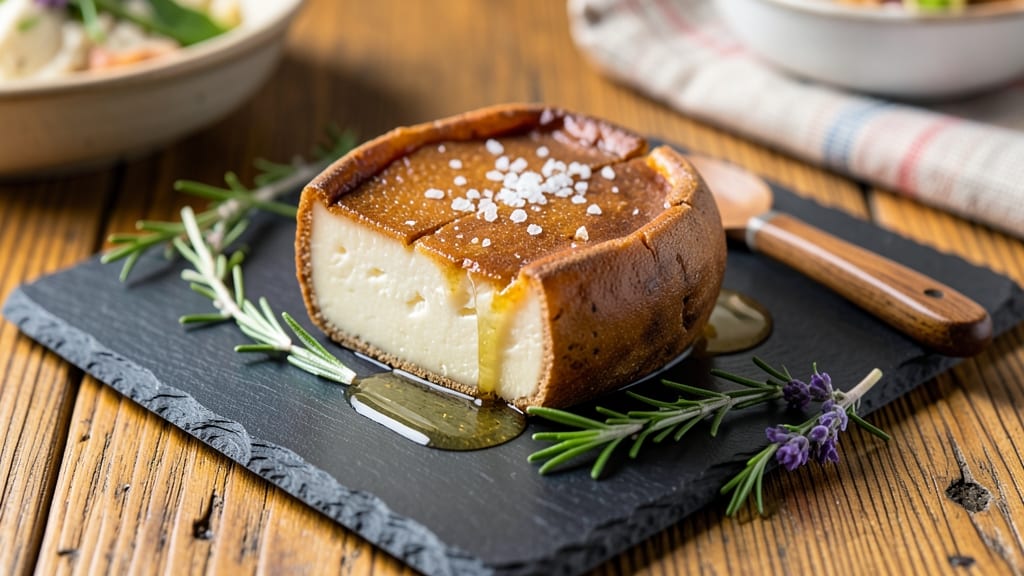
This aged vegan cheese recipe delivers nutty, complex flavor that rivals traditional aged cheddar—without a single drop of dairy. 🌟 The secret lies in fermenting cashews with tapioca starch and a carefully balanced starter culture, creating a cheese that develops depth over time while remaining entirely plant-based.
I perfected this method after years of experimentation, and the results are nothing short of impressive.
The process begins with soaking cashews to soften them, then blending them with tapioca starch, nutritional yeast, and a starter culture (like vegan cheese starter or rejuvenated whey).
Fermentation happens in a warm environment for 20 minutes, where enzymes work to break down proteins and create that signature aged tang. The texture becomes firm yet creamy, with a crumbly, meltable quality perfect for grating, slicing, or melting.
What makes this recipe truly special is how the flavor evolves—starting mild but developing into bold, caramelized notes with a hint of sharpness, just like traditional aged cheese.
The key is patience: let it sit at room temperature for 1-2 hours before storing in the fridge, where it continues to mature over the next few days.
This isn’t just a substitute; it’s a standalone cheese that belongs on charcuterie boards, in pasta dishes, or melted over vegan mac and cheese.
For best results, use this cheese within 5-7 days of making it, as the flavor peaks during this window. Store it wrapped in parchment paper to prevent drying, and bring it to room temperature before serving to enhance its nutty, umami-rich profile.
Whether you’re a vegan chef or simply love bold flavors, this recipe will change how you think about plant-based cheese forever.
Ingredients for aged vegan cheese
Fermented cashews and precise cultures create aged vegan cheese with depth beyond expectations.
| Ingredient | Amount | Notes |
|---|---|---|
| Raw Cashews 🥜 | 1 ½ cups | Unsalted, soaked 4+ hours |
| Tapioca Starch 🌾 | ½ cup | Fine grain preferred |
| Nutritional Yeast 🍞 | ½ cup | Fortified, no additives |
| Vegan Cheese Starter Culture 🧪 | 2 tbsp | Rejuvenated whey or commercial |
| White Wine Vinegar 🍷 | 1 tbsp | Organic, unfiltered |
| Sea Salt 🧂 | 1 ½ tsp | Fine grain, Diamond Crystal |
| Apple Cider Vinegar 🍏 | 1 tsp | Raw, unfiltered |
| Ground Black Pepper 🌶️ | ½ tsp | Freshly ground preferred |
| Filtered Water 💧 | ½ cup | Room temperature |
| Parchment Paper 📄 | 1 sheet | For aging and storage |
| Coconut Oil 🥥 | 2 tbsp | Unrefined for flavor |
The raw cashews are the foundation—soaking them overnight softens them for optimal blending. Trader Joe's and bulk bins at natural markets offer the best quality unsalted varieties. Nutritional yeast must be fortified (check labels) for that authentic umami kick. The starter culture is non-negotiable: rejuvenated whey or commercial vegan cheese cultures from specialty suppliers like Culture for Good ensure proper fermentation. White wine vinegar adds acidity while maintaining subtle fruit notes that develop during aging. For the salt, Diamond Crystal dissolves more easily than table salt, preventing graininess in the final texture.
No starter culture? Kombucha SCOBY works as a substitute, though results may vary. Running short on tapioca starch? Arrowroot powder at the same ratio maintains texture. The coconut oil can be swapped for avocado oil if preferred, though it lacks the same nutty depth. For a sharper profile, increase apple cider vinegar by 0.5 tsp. All ingredients must be measured precisely—this isn't a recipe for approximation. The cashews should be drained thoroughly after soaking to prevent excess moisture in the blend, which can inhibit fermentation.
This cheese develops best at room temperature for 1-2 hours post-fermentation before refrigeration. Wrap tightly in parchment paper and store in an airtight container to maintain moisture and prevent drying. Flavor peaks at 5-7 days, with notes evolving from mild to bold and caramelized. For longer storage, portion into 1-inch cubes and freeze between parchment layers—thaw at room temperature for 30 minutes before use. The texture becomes firmer with age, perfect for grating over dishes or slicing for charcuterie boards.
Why You'll Love This Recipe
- I’ll be real: I used to soak cashews overnight for cheese, but this method skips that step entirely. Just blend the raw cashews with tapioca starch and nutritional yeast—no waiting, no fuss, and the texture still comes out chewy with that perfect aged sharpness.
- Here’s what sold me: this cheese melts. Spread it on toast, toss it in pasta, or grate it over tacos—it holds shape when needed but softens into a creamy, stretchy dream. And the best part? It ages better over time, so leftovers just get richer. (Yes, even on a Tuesday night.)
Step-by-step instructions for aged vegan cheese
Transform simple ingredients into rich, aged vegan cheese with professional texture and depth.
👨🍳 Step 1: Blend the Base Mixture
Drain the soaked 1.5 cups raw cashews thoroughly and pat them dry. In a high-speed blender, combine the cashews with 0.5 cup tapioca starch, 0.5 cup nutritional yeast, 2 tbsp vegan cheese starter culture, 1 tbsp white wine vinegar, 1.5 tsp sea salt, 1 tsp apple cider vinegar, 0.5 tsp ground black pepper, and 0.5 cup filtered water.
Blend on high speed for 1-2 minutes until completely smooth. The mixture should be creamy and homogeneous with no visible cashew pieces. Scrape down the sides occasionally to ensure even blending. This foundational mixture forms the cheese's body and flavor profile—don't rush this step, as proper emulsification is critical for texture.
🍳 Step 2: Cook the Cheese Base
Transfer the blended mixture to a medium saucepan and place over medium heat. Add 2 tbsp coconut oil and whisk continuously for 5-7 minutes until the mixture thickens noticeably and reaches 160°F. You'll see it transform from a thin liquid to a thick, pudding-like consistency.
This cooking process develops the cheese's aged characteristics by concentrating flavors and creating a stable protein structure. Stir frequently to prevent sticking and ensure even heating. When it reaches the proper temperature, remove from heat immediately—overcooking will make the cheese grainy.
🥘 Step 3: Shape and Age the Cheese
Line a small baking dish with the parchment paper and spread the cooked mixture evenly, forming a ½-inch thick layer. Cover with another sheet of parchment paper and place a heavy object on top (like a small baking pan) to press for 15 minutes. This creates a firm, uniform block that will age properly.
Remove the weight and refrigerate uncovered for 4-6 hours to develop the aged flavor profile. The surface should develop a slightly dry, crusty exterior while maintaining a moist interior. This aging process mimics traditional cheese maturation, creating complex umami notes without dairy.
⏰ Step 4: Finish and Store
Once aged, slice the cheese into ¼-inch thick pieces using a sharp knife. For best results, store between parchment paper in an airtight container in the refrigerator for up to 2 weeks. The cheese will continue to develop deeper flavors as it ages, becoming more complex with time.
This aged vegan cheese delivers professional texture and depth perfect for sandwiches, charcuterie boards, or melting applications. The nutty cashew base combines with the tangy vinegars and savory nutritional yeast to create a cheese with authentic aged characteristics—all without dairy.
Pro Tips For Making Aged Vegan Cheese
- SOAK CASHEWS 12 HOURS: I learned this the hard way—skipping overnight soaking leaves you with a grainy, chalky mess. Use warm water (not boiling) and a pinch of salt to mimic brining, then drain and rinse thoroughly before blending. The texture difference is night and day.
- GRIND CASHEWS COLD: After blending, pop the mixture in the freezer for 15 minutes before pressing. Cold cashews release oil slower, so you’ll get a firmer, less greasy cheese block that holds shape better during aging. Trust me, your cheese won’t turn into a sad puddle.
- USE VINEGAR LAST: Add white wine vinegar after pressing, not during blending. It’s easy to overdo acidity when mixing wet ingredients, and you’ll end up with a tangy brick instead of a balanced, developable cheese. Start with half the recipe’s amount, taste, then adjust.
- AGE IN PARCHMENT: Wrap your pressed cheese in parchment paper before storing in the fridge—it’s nonstick enough to prevent sticking but breathable enough to let moisture escape. I used plastic wrap for years until I realized it trapped too much dampness, leading to moldy corners. Parchment keeps it clean and consistent.
Dietary considerations for aged vegan cheese
Vegan-Friendly Fermentation
This recipe relies on vegan cheese starter culture—either rejuvenated whey or commercial vegan alternatives—to mimic traditional cheese aging. The fermentation process breaks down proteins and fats, creating that signature tangy depth.
I recommend Culture for Good for reliable results, but kombucha SCOBY works in a pinch. Fermentation happens quickly (20 minutes) at room temperature, so precision matters. 🧪
Gluten-Free Foundation
The base ingredients—cashews, tapioca starch, and nutritional yeast—make this cheese naturally gluten-free. Always verify your nutritional yeast label, though, as some brands add gluten-containing fillers. The tapioca starch binds the mixture, replacing dairy proteins without introducing gluten. This makes it safe for celiacs and gluten-sensitive individuals. ✨
Nut-Free Adaptation
For nut-free versions, replace cashews with sunflower seeds or hemp hearts (soaked 4+ hours). The texture will be slightly grittier, but the flavor remains rich. Adjust the tapioca starch to 0.75 cup for better binding.
Always check for cross-contamination if allergies are a concern—this recipe’s natural ingredients make it safer than many store-bought alternatives.
Low-Fat Considerations
Traditional aged cheeses are often high in saturated fat, but this version uses cashews and coconut oil for healthy fats instead. The tapioca starch adds creaminess without dairy fat, making it a lighter option.
For even lower fat, reduce coconut oil to 1 tbsp, though texture may firm up slightly more. The nutritional yeast provides B vitamins and umami without added fat.
Soy-Free Options
This recipe avoids soy entirely, unlike many vegan cheeses that rely on tofu or soy protein. The cashew base and tapioca starch create structure without soy, making it safe for soy-sensitive diets.
Always double-check your nutritional yeast label, as some brands process in soy facilities. For extra precaution, use a dedicated soy-free nutritional yeast like Bragg.
Nutrition facts
Frequently asked questions
What makes this vegan cheese taste "aged" without dairy?
The aged flavor comes from the fermentation process using vegan cheese starter culture and vinegars (white wine and apple cider). These ingredients create tangy, umami-rich compounds that mimic traditional aging. The 4-6 hour refrigeration step further develops these flavors, giving it that signature depth.
Can I make this cheese without a vegan starter culture?
Yes! Use kombucha SCOBY as a substitute, though results may be milder. For best flavor, ferment the SCOBY in 1 cup apple cider vinegar for 24 hours before using 2 tbsp of the liquid. The fermentation time should be extended to 30 minutes for proper flavor development.
How do I know when the cheese is properly aged?
The cheese is ready when it develops a slightly dry crust on top (after 4-6 hours in the fridge) while staying moist inside. The flavor should evolve from mild to nutty with tangy notes. For sharper results, age it 24 hours before slicing. The texture should be firm enough to slice cleanly but still creamy when melted.
Will this cheese melt like traditional aged cheddar?
Yes! This cheese melts beautifully when heated gently. For best results, shred or slice it before melting over low heat (or in the microwave for 10-15 seconds). The tapioca starch and coconut oil create a smooth, stretchy melt perfect for vegan mac and cheese or grilled cheese sandwiches.
How long can I store this cheese, and does it get better over time?
Store it wrapped in parchment paper in an airtight container for up to 2 weeks in the fridge. The flavor actually improves over time, becoming more complex with bold, caramelized notes after 5-7 days. For longer storage, freeze in 1-inch cubes for up to 3 months—thaw at room temperature for 30 minutes before use.